Best Time to Visit Morocco: A Seasonal Guide for the Discerning Traveler
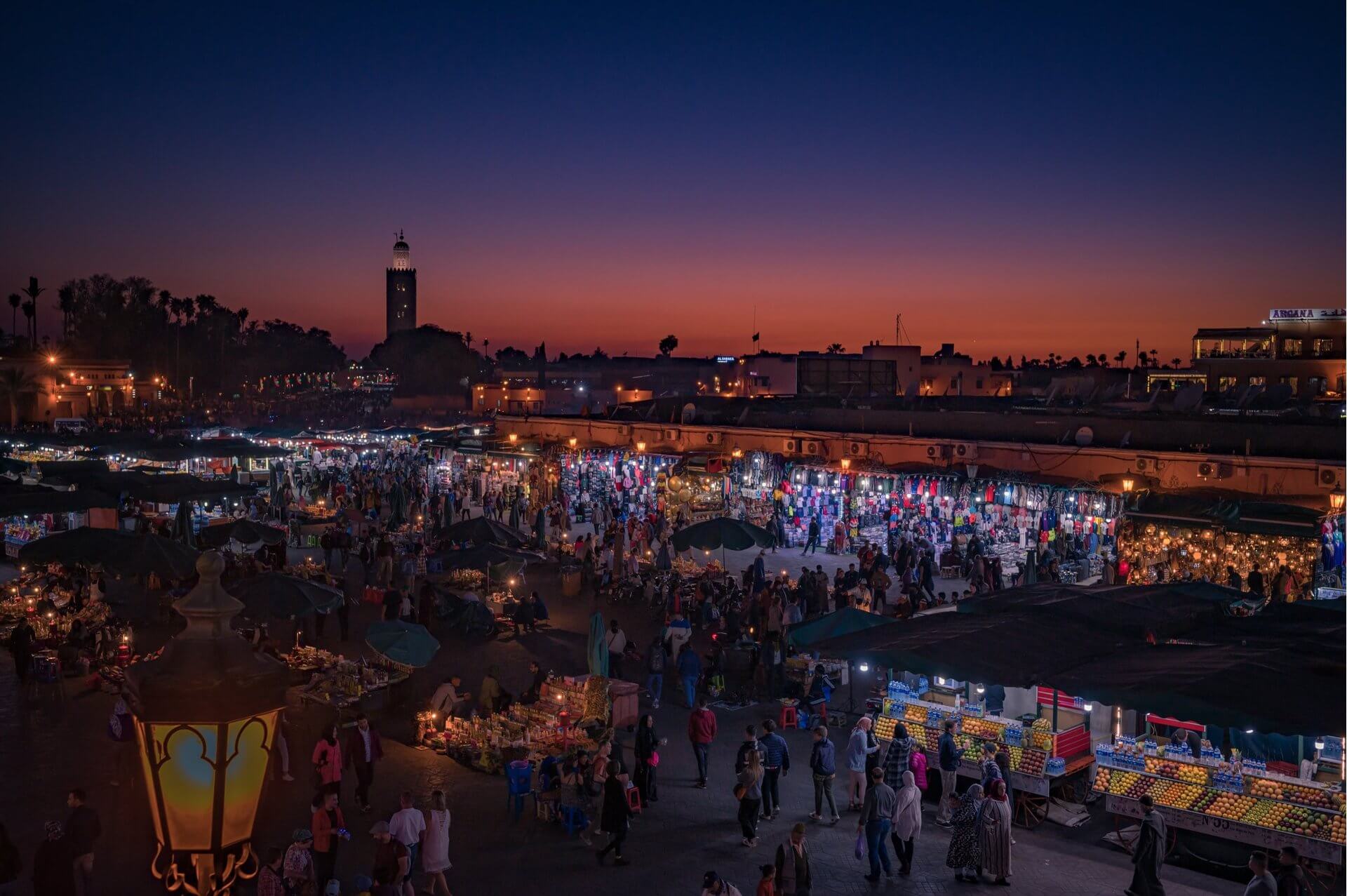
There is a particular hour in Morocco, just before the sun slips behind the Atlas Mountains, when the entire country seems to exhale. The light turns honey-gold, the call to prayer drifts across rooftops, and the air carries that unmistakable Moroccan perfume of orange blossom, cedar smoke, and warm earth. Whether that moment finds you on a Marrakech rooftop, atop a Saharan dune, or wandering the blue lanes of Chefchaouen depends entirely on one decision: when you choose to travel.
Choosing the best time to visit Morocco is less about chasing perfect weather and more about matching the country’s many moods to your own. Morocco is not one destination, it is a constellation of climates, cultures, and landscapes stretching from snow-capped peaks to Atlantic surf to the endless silence of the Sahara. Each season unveils a different version of the kingdom, and each carries its own quiet magic.
This climate guide is written for travelers who want more than a forecast. It is a considered look at when to visit Morocco most beautifully, and how to plan a trip that meets the country at its finest.
A Quick Overview for Planning a Trip
Ideal trip length: 7 to 14 days Signature destinations: Marrakech, Fez, the High Atlas, the Sahara, Essaouira, Chefchaouen Travel style: Private, tailor-made, slow-paced luxury Accommodation: Heritage riads, boutique hotels, desert camps under the stars Typical entry points: Marrakech, Casablanca, or Fez Best months to visit: March to May and September to November
Morocco is a year-round destination, but the spring and autumn shoulder seasons offer the most balanced conditions for a complete journey, from the medinas to the dunes.
Why Timing Shapes Your Morocco Trip
Few countries reward thoughtful timing the way Morocco does. The same week that brings perfect trekking weather to the High Atlas can deliver punishing heat to the Sahara. The summer months that empty the inland imperial cities fill the Atlantic coast with festival energy and cool sea breezes. A January morning in Marrakech can be crisp and bright while snow blankets the peaks just an hour’s drive away.
Understanding the rhythm of the weather in Morocco, and how it differs from coastal to inland to mountain to desert, is the single most important step in planning your Moroccan adventure. Travelers who arrive in the right season experience the country as locals know it: bougainvillea spilling over ochre walls in April, the scent of harvest in October, clear skies above Toubkal in May, the silver hush of the dunes of the Sahara in November.
At Sun Trails, our private Morocco tours are built around these seasonal nuances. The itinerary that suits a March traveler is rarely the same one we recommend in July, and that distinction is precisely what separates a memorable trip to Morocco from a transformative one.
Spring in Morocco (March to May): The Country at Its Most Photogenic
If you ask a Moroccan when the country is most beautiful, most will say spring without hesitation. From March to May, the entire landscape comes alive: poppies bloom in the Middle Atlas, almond and cherry trees flower across the Anti-Atlas, and the rose valleys near Kelaa M’Gouna fill the air with petals destined for the famous Festival of Roses in May.
Daytime temperatures hover in the low to mid-twenties Celsius (mid-seventies Fahrenheit) in cities like Marrakech and Fez, warm enough to wander the souks in linen, cool enough to enjoy long afternoons in courtyard riads. The High Atlas mountains still wear their winter snow on the highest summits, but the lower trails are open and flowering, making this one of the best times for hiking and trekking. Travelers planning trekking in the Atlas Mountains often choose April or May, when wildflowers carpet the valleys and Berber villages emerge from the quiet of winter.
Spring is also an excellent time to visit the desert. Daytime temperatures in the Sahara are warm but bearable, and the nights are cool enough to gather around a fire under a sky thick with stars in the desert. For those dreaming of a luxury Sahara experience, this is when the Sun Trails desert camp feels most enchanting, long camel rides in golden light, mint tea on the dunes, and silence so complete it seems to ring.
A note on timing: Ramadan often falls in spring, and traveling during the holy month is a deeply rewarding cultural experience for the prepared. We’ve written extensively about traveling in Morocco during Ramadan, it is neither to be avoided nor approached casually, but understood.
Summer in Morocco (June to August): Coastal Escapes and Mountain Heights
Summer divides Morocco in two Inland, cities like Marrakesh, Fez, and the southern oases grow intensely hotter, temperatures regularly climb past 40°C (100°F), and the Sahara desert becomes uncompromising. Few experienced travelers attempt long road trips through the interior in July and August.
But along the Atlantic, summer is glorious. Essaouira, the windswept old port favored by Orson Welles and Jimi Hendrix, stays cool and breezy even when Marrakech swelters, and June brings the Gnaoua world music festival, one of the most celebrated world music gatherings in North Africa. The medina fills with musicians, the beach with kitesurfers, and the seafood grills along the port work late into the night. Our guide to things to do in Essaouira is essential reading for any summer visit.
Further north, the Atlantic coast from Oualidia to Tangier offers a string of elegant beach escapes perfect for swimming and slow living. And up in the High Atlas, summer transforms the mountains into a refuge, temperatures in villages like Imlil and Ait Bouguemez stay pleasantly mild, and the trails to Toubkal and beyond are fully open. For travelers who love altitude, summer is the right moment to attempt a High Atlas summit trek.
Our advice for summer: stay coastal, stay high, or both. A thoughtfully designed itinerary can move from the cool sea air of Essaouira to the breezy heights of the Atlas Mountains without ever exposing you to the worst of the heat. Despite the heat, summer remains one of the most rewarding times of year for those who know where to go.
Autumn in Morocco (September to November): The Connoisseur’s Season
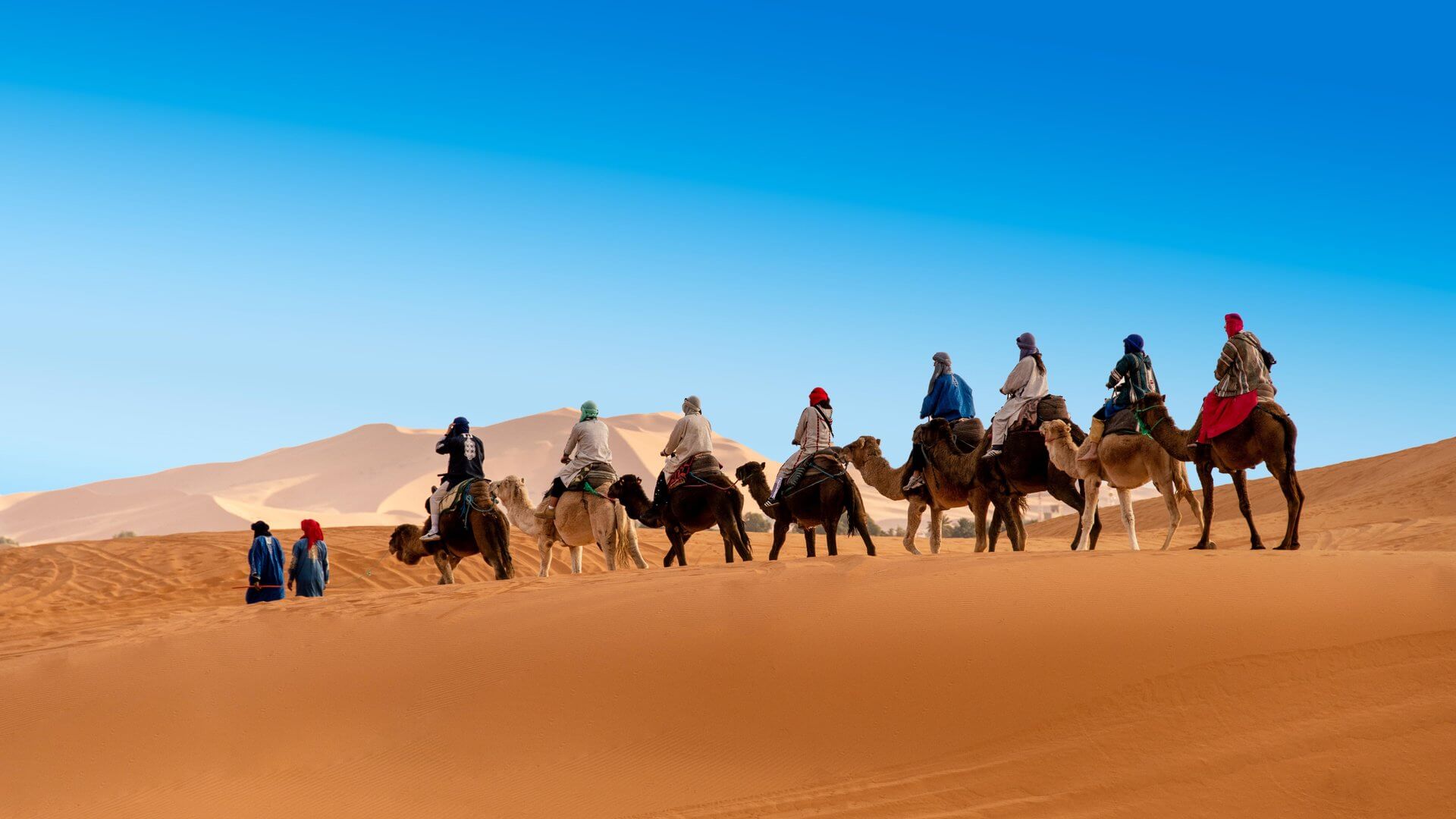
If spring is the most photogenic season, autumn is the connoisseur’s. From September to November, Morocco settles into a long, golden light. The intense heat of summer fades by mid-September, the harvest is in, and the medinas regain their unhurried rhythm. For many seasoned travelers, this is the ideal time to visit Morocco.
Daytime temperatures in Marrakech and Fez are warm but never oppressive, typically 22 to 28°C, and the evenings are mild enough to dine in courtyard gardens without a wrap. The Sahara comes back into its own: October and November bring perfect dune conditions, with hot afternoons giving way to cool, star-flooded nights. A 9 or 10-day journey at this time of year, Marrakech to the Atlas, then on to the desert, ending in Fez, is something close to perfect. Our 10-day Morocco itinerary is built precisely for this rhythm. Spring and fall are also the best windows for travelers seeking the country at its most balanced.
Autumn is also when many of the country’s finest cultural events take place, from harvest festivals in the Atlas to the date moussem in the Tafilalt. The light photographers chase, that low, slanted, almost burnished glow, is at its most cinematic in October. Walking through the boutique hotels and riads we’ve selected over two decades feels especially evocative in this season, when courtyards are bathed in late afternoon sun and the air carries the first hint of woodsmoke.
For honeymooners, autumn is our most-requested season. A Morocco honeymoon in October combines warm Saharan nights, cool mountain mornings, and the romance of empty rose valleys after harvest, a sensory time to experience that’s nearly impossible to replicate elsewhere.
Winter in Morocco (December to February): Quiet Cities and Snow-Dusted Peaks
Winter is Morocco’s best-kept secret. While most of Europe is cold and dim, Marrakech basks in clear skies and daytime temperatures of 18 to 22°C, perfect for strolling the souks, lingering on riad rooftops, and exploring sites without crowds. The light is crisp, the medinas calm, and the boutique hotels at their most welcoming.
The High Atlas mountains, by contrast, are snow-covered. Toubkal becomes a serious winter ascent, and the ski resort of Oukaïmeden draws those curious enough to ski in North Africa. For walkers, the Anti-Atlas south of Tafraoute is in its prime, warm days, cool nights, and the famous winter trek through the Anti-Atlas draws those in the know. February brings the celebrated annual almond blossom festival, when the painted valleys around Tafraoute fill with white and pink petals, often coinciding with the Amazigh New Year celebrations across the south.
The Sahara in winter is colder than most expect, daytime is pleasant, but nights can drop near freezing. The luxury camps we work with provide heavy woolen blankets, hot water bottles, and tents heated by traditional stoves, and many travelers find a winter desert night, wrapped beside a fire under a sharp constellation, more memorable than any summer one.
The Atlantic coast in winter is quiet and contemplative. Essaouira‘s cafés stay open, the surf is at its biggest, and the city has the unhurried beauty of an off-season port. It is, simply, a wonderful time to travel for those who prefer their travel without crowds. Rabat, the capital of Morocco, is also at its most pleasant in winter, with mild days perfect for exploring its kasbah and waterfront.
A Monthly Climate Guide at a Glance
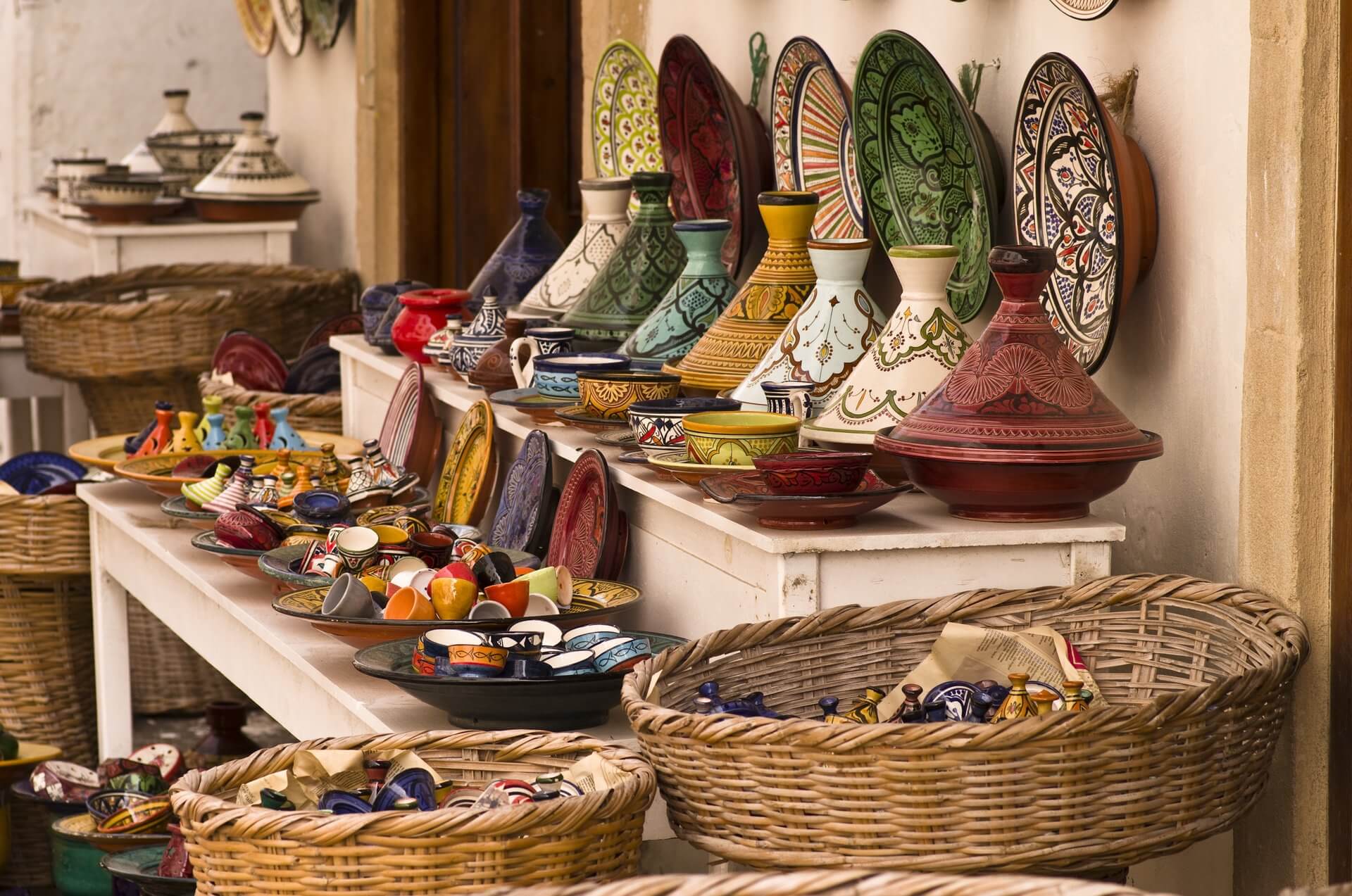
This monthly climate guide offers a quick reference for planning a trip in any season.
January and February: Cool and clear skies in the cities, snow in the High Atlas, almond blossoms in the south. March to May: Warming days, blooming valleys, ideal conditions across nearly all regions. May: Festival of Roses, one of the best months to visit overall. June and September: Shoulder months, hot inland, perfect along the coast, Gnaoua festival in Essaouira. June to August: Avoid the scorching interior, stay coastal or in the mountains. September to October: Cooling temperatures, returning to ideal conditions. October and November: Golden light, perfect for the Sahara and a full country tour. December: Mild cities, snowy peaks, quiet medinas.
This Morocco climate guide confirms what seasoned travelers already know: in terms of weather, spring and autumn remain unmatched.
Accommodation: Where to Stay in Every Season
Morocco’s most enchanting accommodations are deeply seasonal in feel. A heritage riad in Marrakech is at its most magical in winter, when fires crackle in the courtyard and the rooftop is bathed in clear sun. The same riad in summer becomes a cool refuge from the heat, with thick walls and shaded patios.
Boutique hotels in the High Atlas, particularly the chic mountain retreats we’ve curated, shine in spring and autumn, when terraces become open-air living rooms. Desert camps reach their peak in spring and autumn, though winter, with its dramatic cold-night intimacy, has its devoted admirers.
Along the Atlantic, properties from Essaouira to Oualidia hit their stride in summer, when the breeze rolls in off the sea and seafood lunches stretch into the late afternoon. Browse our selection of luxury Morocco resorts and accommodations to see how each property suits a particular season.
Experiences Worth Aligning with the Season
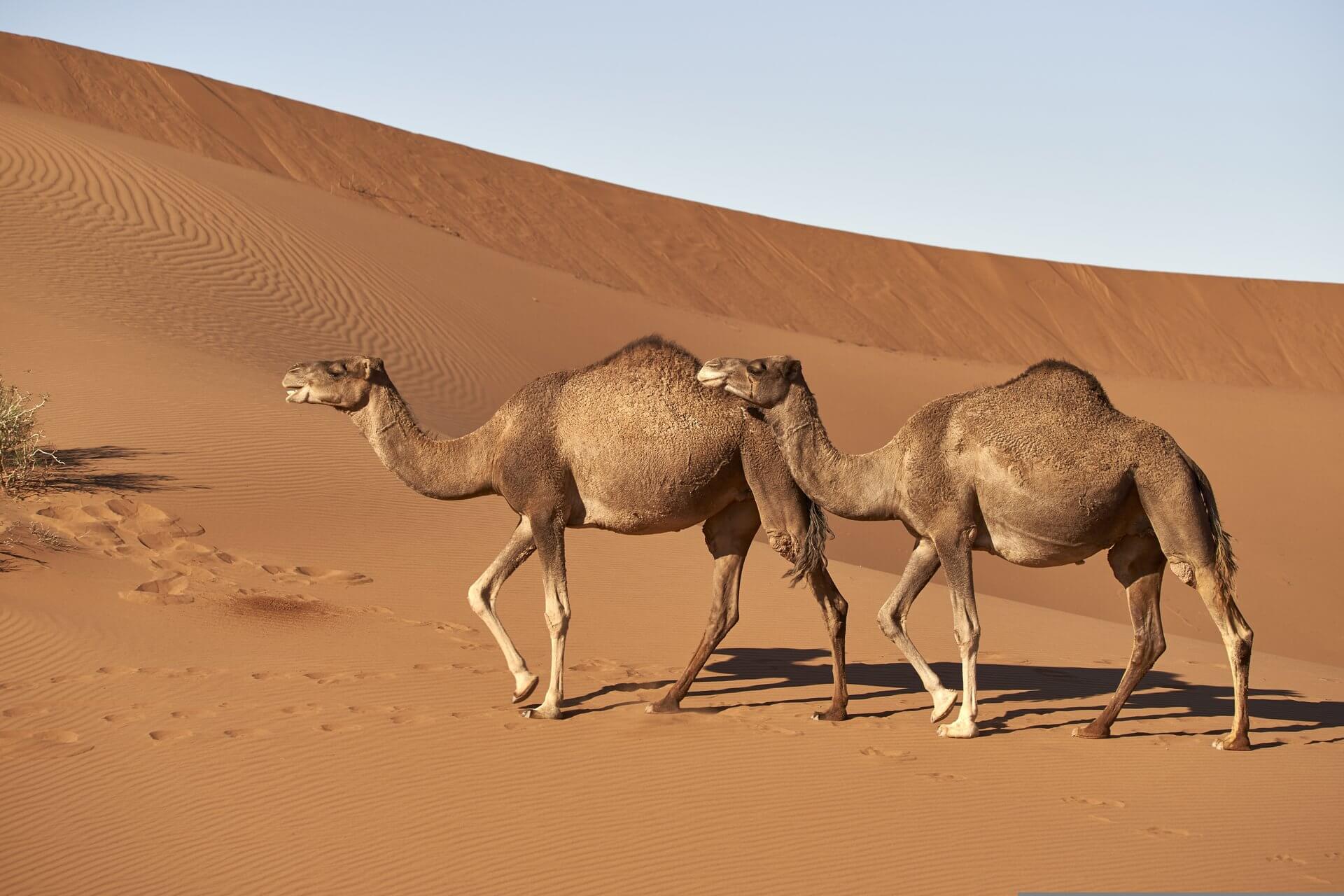
The best Moroccan experiences ask to be timed correctly. A camel trek into the dunes feels entirely different in October than in July. A guided walk through the medinas of Fez is a different pleasure in February than in August. A Moroccan cooking class is wonderful in any month, but particularly meaningful in spring, when the market stalls overflow with new herbs and citrus.
Other experiences worth aligning with the right month to visit include the Sahara luxury camel trek (best September to May), hot air balloon flights at dawn over the Marrakech palm groves (year-round, though most magical in cool months), private visits to artisan workshops in the medinas and souks, and slow drives through the southern oases when the date palms are heavy with fruit. These are also ideal for outdoor lovers seeking authentic encounters beyond the standard tourist trail.
For families, we generally recommend spring and autumn, the weather is warm but not extreme, and the rhythm of the journey is gentler. Our approach to Morocco family tours is built around precisely this kind of seasonal good sense.
Transportation and the Pace of Travel
Whatever the season, Morocco rewards travelers who move slowly and comfortably. Our private journeys are designed around an experienced English-speaking driver and a comfortable 4×4 or executive vehicle, with itineraries paced to the time of year, shorter driving days in summer’s heat, longer scenic routes in the soft light of autumn.
Airport pickups in Marrakech, Casablanca, or Fez are handled personally. Routes are flexible. If a Berber village wedding spills onto the road or a rose harvest stops traffic, your driver simply pauses, and you find yourself, glass of mint tea in hand, in the middle of a moment no guidebook could have planned.
Frequently Asked Questions About the Best Times to Visit Morocco
What is the overall best time to visit Morocco?
For a full country tour combining cities, mountains, and the Sahara, March to May and September to November offer the most balanced conditions. October is often cited by our most well-traveled guests as the best month.
When is the best time to visit the Sahara desert?
October and November, followed closely by March and April. Summer is uncomfortably hot, and deep winter nights can be very cold, though the daytime weather is pleasant year-round.
Is summer a bad time to go to Morocco?
Not at all, but it requires a different itinerary. Coastal Essaouira, the Atlantic beaches, and the High Atlas mountains are wonderful in summer. The inland imperial cities and the Sahara are best avoided in July and August.
What about traveling during Ramadan?
Ramadan is a beautiful time to experience Morocco’s spiritual rhythm, but daytime services are reduced and restaurants outside hotels often close. With the right preparation, it is deeply rewarding.
Is winter a good time to visit Marrakech?
Yes, many seasoned travelers consider winter the ideal time to visit Morocco‘s red city. Days are sunny and mild, the medinas are calm, and the riads are at their most atmospheric.
Can I sightsee and trek in the Atlas Mountains year-round?
The lower valleys are walkable year-round. Higher summits like Toubkal are best from May to October, while winter ascents are reserved for experienced mountaineers. Hiking in the Atlas Mountains is especially rewarding in spring and early autumn.
Which festivals are worth planning around?
The Festival of Roses in May, the Gnaoua world music festival in Essaouira in June, the Festival of World Sacred Music in Fez in early summer, and the annual almond blossom festival near Tafraoute in February.
Begin Your Morocco Trip
There is no single best time to visit Morocco, only the right time for the journey you wish to take. A spring of wildflowers and rose petals. A summer of sea breezes and festival nights. An autumn of golden light across the dunes. A winter of quiet medinas and snow-dusted peaks.
For two decades, we have designed deeply personal journeys for travelers who want to meet Morocco at its best, whatever the season. If you are dreaming of your own Moroccan chapter, our team would be glad to listen, to suggest, and to craft a journey that feels truly yours.
The light is already changing. The mint tea is steeping. Morocco is waiting, and the season you choose will shape the story you take home.