Surfing Morocco: Where the Atlantic Meets Adventure
Surfing in Morocco delivers what surfers spend their lives chasing – consistent waves, empty lineups, affordable living, and a culture that embraces the riding life. From the legendary right-hand points of Taghazout to the endless walls of Imsouane, from beginner-friendly beach breaks to challenging reef setups, Morocco’s 3,000-kilometer Atlantic coastline offers something for every surfer. Add year-round rideable waves, warm hospitality, and a surf scene that’s grown organically rather than commercially, and you understand why Morocco has become one of the world’s essential surf destinations.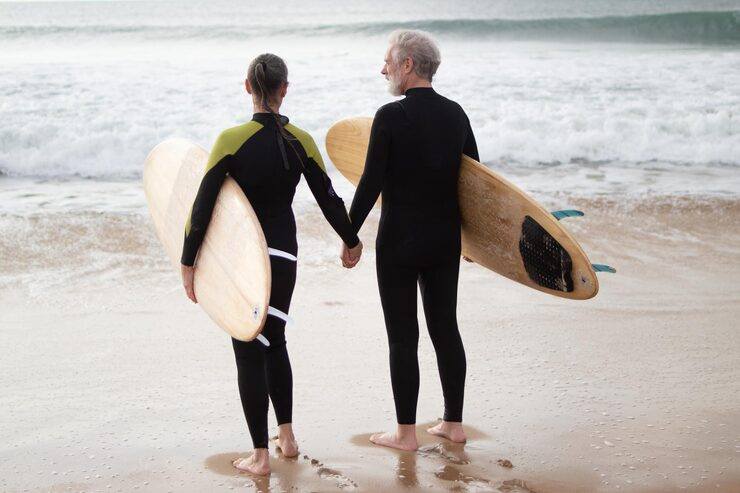
START PLANNING YOUR JOURNEY TODAY
Update 2026: Morocco’s surf infrastructure continues to develop while maintaining the authentic character that first attracted wave riders decades ago. Here’s everything you need to know about surfing Africa’s premier Atlantic coast.Why Morocco Is a Surfer’s Paradise
The Atlantic Ocean delivers relentless swell to Morocco’s coast. Northwest groundswells generated by storms in the open ocean travel thousands of kilometers before hitting the African shoreline, creating the consistent, powerful waves that define Moroccan surfing.But swell alone doesn’t make a surf destination. Morocco offers the complete package:Wave variety: Beach breaks, point breaks, reef breaks – every type of wave exists along the Moroccan coast. Beginners find forgiving whitewater; experts find barrels and long-period power.Consistency: Morocco receives swell year-round. Winter brings the biggest waves (October-March), but summer offers gentler conditions perfect for learning and longboarding. Unlike many destinations, there’s no off-season here.Uncrowded lineups: Despite growing popularity, Morocco’s coast remains far less crowded than European destinations or classic surf hubs. More waves, fewer surfers – the mathematics every wave rider loves.Affordability: Accommodation, food, and transport cost a fraction of Hawaii, Australia, or even Portugal. You can surf for weeks on budgets that would last days elsewhere.Culture and adventure: Morocco isn’t a one-dimensional surf trip. Between sessions, you’re in Africa – exploring ancient medinas, crossing desert landscapes, eating extraordinary food, encountering a culture vastly different from home.Climate: Mild winters mean wetsuits rather than drysuits. Summer brings warm water and air. The sun shines more often than not. Compared to the North Atlantic destinations serving similar swells, Morocco offers genuine comfort.Morocco’s Surf Regions
Morocco’s coastline stretches from the Mediterranean to the Western Sahara, but the prime surfing zones cluster along the central and southern Atlantic coast.The Taghazout Zone
The epicenter of Moroccan surfing. This stretch of coast north of Agadir – including Taghazout village, Tamraght, and surrounding points – hosts the country’s most famous breaks and its most developed surf infrastructure.What you’ll find: World-class right-hand point breaks (Anchor Point, Killer Point, Boilers), beach breaks for beginners, dozens of surf camps and schools, a thriving surf village atmosphereBest for: All levels, though the famous points demand experience. The surf camp concentration makes it ideal for first-time Morocco visitors.Vibe: Established surf community, international travelers, developed amenities while retaining Moroccan characterImsouane
A quiet fishing village that happens to front one of the world’s longest waves. Imsouane’s bay creates a right-hand point that can offer rides of 300+ meters on good days – the kind of wave that makes longboarders weep with joy.What you’ll find: The legendary Bay (long, gentle right), the Cathedral (faster, more powerful), growing but still-relaxed village atmosphereBest for: Longboarders, intermediates, anyone seeking mellow vibes and endless rides Vibe: Laid-back, increasingly popular but not yet overrun, authentic fishing village culture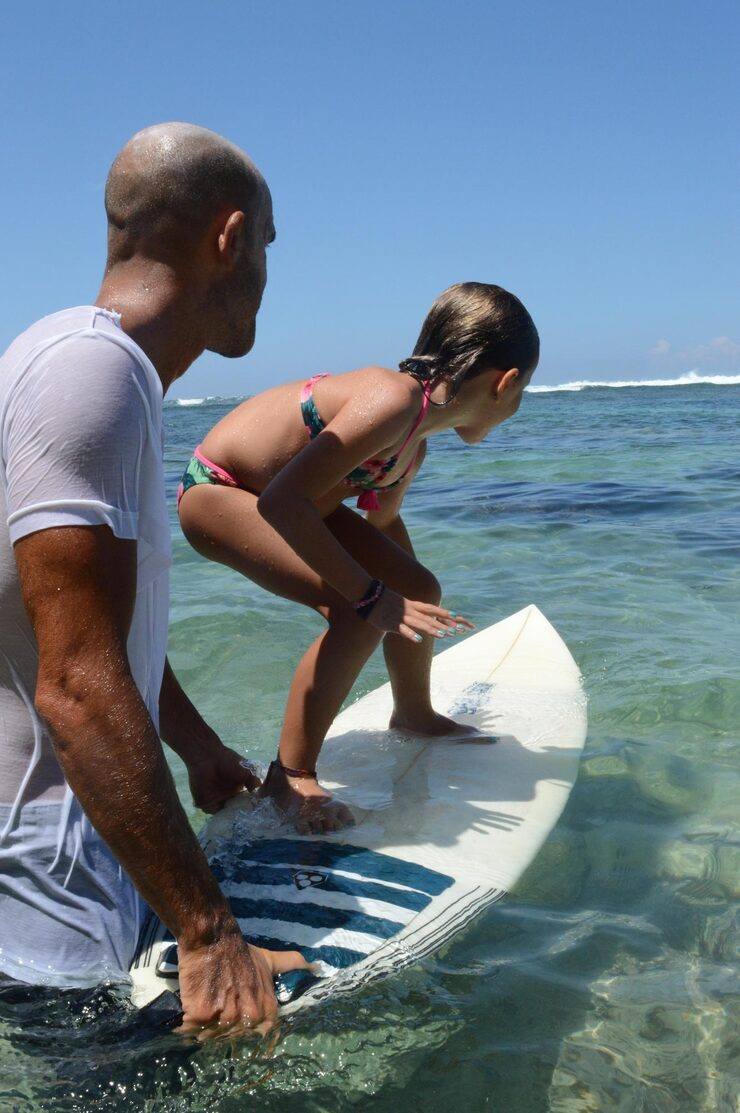
START PLANNING YOUR JOURNEY TODAY
Essaouira Region
The wind city lives up to its name – and that wind creates conditions beloved by surfers and kitesurfers alike. The beaches around Essaouira offer consistent waves with a different character than the Taghazout zone.What you’ll find: Beach breaks, consistent conditions, excellent kitesurfing, beautiful historic medina, artistic atmosphereBest for: Intermediate surfers, kitesurfers, those wanting to combine surf with cultureVibe: Artistic, bohemian, windswept, more diverse than single-focus surf villagesCasablanca and North
Morocco’s north coast catches swell too, though it’s less developed for surf tourism. Beaches near Casablanca and northward offer waves closer to Morocco’s main airport hub.What you’ll find: Beach breaks, less crowded lineups, local surf scenes, convenient access from CasablancaBest for: Short trips, those not wanting to travel south, exploring beyond the obvious destinationsVibe: More local, less tourist infrastructure, urban accessibilitySouthern Morocco
Below Agadir, the coast continues with less-explored breaks toward Sidi Ifni, Mirleft, and eventually the Western Sahara. Dakhla has emerged as a world-class destination for kitesurfing and windsurfing, with surf potential as well.What you’ll find: Uncrowded waves, frontier atmosphere, adventure-focused travelBest for: Experienced surfers seeking empty waves, adventurous travelers, kitesurfing enthusiastsVibe: Remote, undeveloped, genuine explorationBest Time to Surf in Morocco
Peak Season: October to March
Winter brings Morocco’s biggest, most consistent swells. Atlantic storms generate powerful groundswells that light up the famous point breaks. This is when Anchor Point shows its world-class form, when Imsouane’s bay runs for hundreds of meters, when experienced surfers find the waves they came for.Conditions: Larger waves (overhead to double-overhead common), more powerful, better for experienced surfers. Water temperatures around 16-18°C require 3/2 or 4/3 wetsuits.Crowds: Peak season means more surfers, though still less crowded than most global destinations.Shoulder Seasons: April-May, September
Shoulder months offer excellent balance – good swell consistency with fewer crowds. Waves tend toward the moderate size range, suitable for intermediate progression. Weather is pleasant, water begins warming (spring) or hasn’t yet cooled (fall).Conditions: Medium swells, varied conditions, comfortable temperatures. 3/2 wetsuit is usually sufficient.Crowds: Noticeably lighter than winter peak, more relaxed lineups.Summer: June to August
Summer brings smaller, gentler waves – perfect for learning, longboarding, and mellow sessions. The famous points may go flat, but beach breaks still function, and the atmosphere shifts toward relaxation rather than performance.Conditions: Smaller waves, warmer water (20-22°C), often glassy mornings. Shorty or spring suit sufficient; sometimes board shorts.Crowds: Lighter on point breaks (no waves), busier on beach breaks (surf schools in full swing).Year-Round Possibility
Unlike seasonal destinations, Morocco surfing operates continuously. You can find rideable waves any month – the question is what kind of waves you want and what experience you’re seeking.Morocco Surf Breaks by Skill Level
Beginner-Friendly Waves
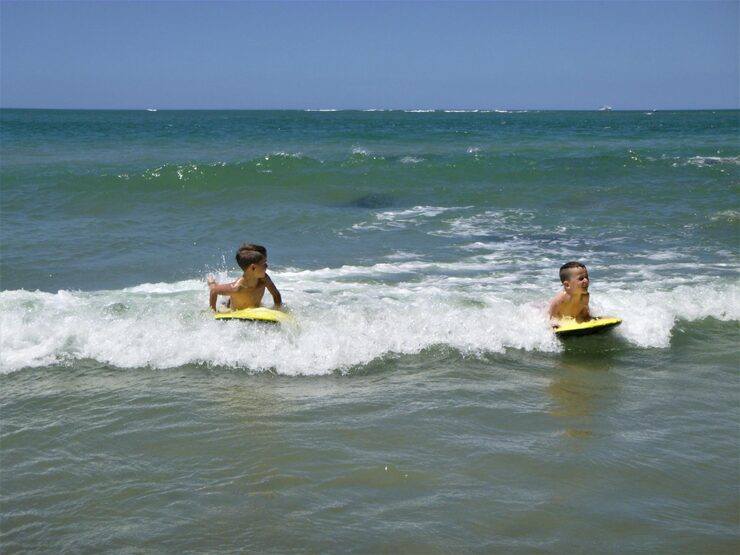
Learning to surf in Morocco offers advantages: warm climate, affordable lessons, patient instructors, and plenty of appropriate waves.Where beginners should surf:- Taghazout beach breaks: Multiple beaches offer gentle whitewater and small waves
- Tamraght: Beach breaks with surf schools nearby
- Imsouane Bay: Long, gentle rides on smaller days
- Essaouira beaches: Consistent beach breaks with mellow power
START PLANNING YOUR JOURNEY TODAY
Intermediate Progression
Once you’re riding green waves, Morocco opens up dramatically. The progression from beach break whitewater to point break walls represents surfing’s most rewarding advancement.Where intermediates should surf:- Smaller days at point breaks: Even famous spots become accessible when swell drops
- Imsouane Bay: Long rides allow time to work on technique
- Various beach breaks: Practice in consistent conditions
- Reef breaks on small swells: Introduction to more powerful wave types
Advanced Surf
The waves that built Morocco’s reputation – heavy points, fast barrels, powerful reef breaks – demand experience but deliver world-class experiences.Where advanced surfers should surf:- Anchor Point: The jewel of Moroccan surfing – a mechanical right-hand point when conditions align
- Killer Point: Faster, hollower, more challenging than Anchor
- Boilers: Reef break with serious consequences
- La Source: Quality right point north of Taghazout
- Mystery spots: Numerous breaks beyond the famous names await exploration
Surf Culture in Morocco
Surfing Morocco isn’t just about waves – it’s about the culture that’s developed around them.The Surf Villages
Taghazout transformed from a fishing village to a surf hub over decades, not overnight. The growth has been organic, creating a community where Moroccan locals, expat surfers, and traveling wave-riders coexist. The village retains its fishing heritage – you’ll buy fresh catch from boats that share the beach with surfboards.Imsouane is following a similar trajectory, though earlier in the process. The fishing tradition dominates, surf culture grows alongside, and the village character remains genuine.Moroccan Surfers
Local surf talent has exploded in recent years. Moroccan surfers grew up in these waves, know them intimately, and rip. Respect in the lineup is earned through surfing ability and etiquette – nationality matters less than conduct.Surf schools employ local instructors alongside internationals. Buying from local businesses, hiring local guides, and respecting local customs contributes to a surf tourism economy that benefits communities.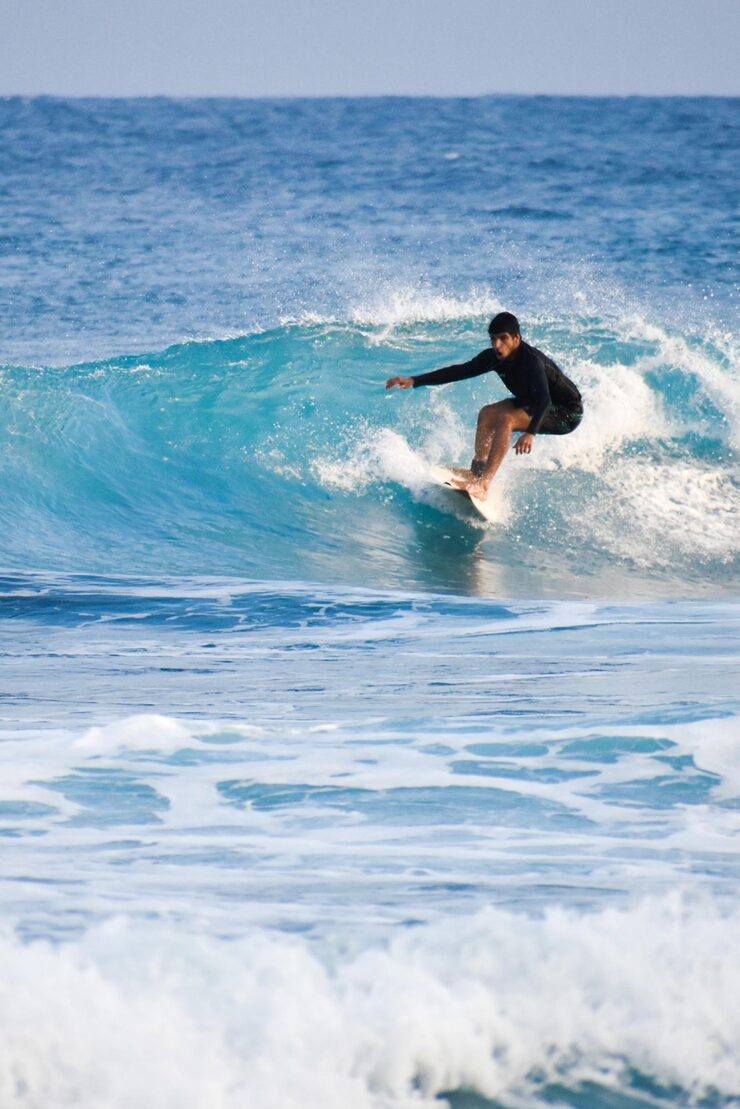
START PLANNING YOUR JOURNEY TODAY
The Surf Camp Scene
Morocco’s surf camps range from budget hostels to boutique retreats. Most offer:- Accommodation (shared or private rooms)
- Daily surf guiding to appropriate breaks
- Equipment rental
- Lessons (usually optional extra)
- Yoga and activities
- Meals (often traditional Moroccan cuisine)
- Community atmosphere
Beyond the Surf
What distinguishes Morocco surfing from purely wave-focused destinations is everything around it. Between sessions, you might:- Explore the Marrakech medina
- Trek into the Atlas Mountains
- Visit the Sahara desert
- Wander Essaouira’s artistic lanes
- Eat your way through Moroccan cuisine
- Experience hammams and riads
- Discover ancient kasbahs
START PLANNING YOUR JOURNEY TODAY
What You Need to Surf in Morocco
Boards
Most surfers bring their own boards, though rentals are available throughout the surf zones. Recommended quiver for Morocco:- Performance shortboard: For powerful days at the points
- Step-up: When swells push overhead
- Fish or mid-length: For smaller days and variety
- Longboard: Essential for Imsouane, useful everywhere
Wetsuits
Water temperature dictates:- Winter (Nov-Feb): 4/3mm fullsuit, possibly booties
- Shoulder seasons (Mar-Apr, Sep-Oct): 3/2mm fullsuit
- Summer (May-Aug): Spring suit or shorty; board shorts possible on warmest days
Other Equipment
- Leash: Essential (bring backup)
- Wax: Bring from home or buy locally (widely available)
- Fins: Carry spares
- Repair kit: For ding emergencies
- Sunscreen: Reef-safe preferred
- Surf hat or rashguard: Sun protection for long sessions
Practical Surf Trip Logistics
Getting There
Agadir airport is closest to the main surf zones (40 minutes to Taghazout). International flights connect through European hubs or direct from some cities.Marrakech airport is larger with more flight options but requires 3-hour transfer to the coast. Many surfers fly into Marrakech, explore the city for a day or two, then continue to the coast.Casablanca works for northern coast exploration.Getting Around
Surf zones: Taxis, rental cars, or surf camp transport. Many visitors base themselves in one village and taxi to different breaks.Broader exploration: Rental cars offer maximum flexibility. We can arrange private transport integrated with surf trips.Accommodation
Options range from €10/night hostels to luxury riads:- Surf camps: €30-80/night including breakfast and guiding
- Budget guesthouses: €15-30/night
- Mid-range hotels: €50-100/night
- Boutique riads: €100-200+/night
Budget Expectations
Morocco surfing is affordable by global standards:- Accommodation: €15-80/night depending on style
- Meals: €3-15 each (street food to restaurants)
- Board rental: €10-20/day
- Lessons: €25-50/session
- Transport: Taxis €5-20 between breaks
Combining Surf with Morocco Exploration
START PLANNING YOUR JOURNEY TODAY
Surfing Morocco needn’t be purely coastal. The country’s diversity supports multi-experience journeys:Surf + City
Bookend your surf trip with Marrakech exploration. The medina, Jemaa el-Fna, the gardens and palaces – a complete contrast to beach life.Surf + Mountains
The Atlas Mountains rise just inland from the coast. Combine surf sessions with mountain trekking, Berber village visits, or simply dramatic scenery.Surf + Desert
A Sahara excursion adds an extraordinary dimension to any Morocco trip. Surf the Atlantic, then camp among Sahara dunes – landscapes at opposite extremes.Surf + Culture
Cooking classes, artisan workshops, historic sites, festivals – Morocco’s cultural depth rewards those who look beyond the waves.Every private Morocco tour we create is fully customizable. Tell us you want to surf AND explore, and we’ll design an itinerary that balances wave time with discovery.What Our Guests Say
“I’ve surfed Indonesia, Central America, and California. Morocco surprised me – the wave quality matches anywhere, but the culture, the food, the whole experience is completely different. Anchor Point on a good day is genuinely world-class. And I spent a fraction of what Indonesia costs.” – Chris, USA“We came as beginners and left actually surfing. The instructors were patient, the waves were perfect for learning, and the vibe was so welcoming. Taghazout feels like a community, not a tourist trap. Morocco should be on every surfer’s list – beginner or expert.” – Emma, UK“Imsouane changed my surfing life. Those long rides on the Bay, the mellow atmosphere, the fishing boats coming in at sunset – I extended my trip twice. There’s nowhere else like it. Pure magic.” – Takeshi, JapanSTART PLANNING YOUR JOURNEY TODAY
Planning Your Morocco Surf Adventure
Surfing Morocco rewards planning but doesn’t demand it. You can show up with a board and find your way. But for those wanting optimized experiences – the right breaks for your level, accommodation that suits your style, exploration beyond the coast – we can help.We’ve been organizing luxury Morocco tours from Marrakech since 2009, and we’ve designed countless itineraries incorporating surfing. Whether you want:- A dedicated surf trip with coaching and wave-finding
- Surf combined with cultural exploration
- Family trips mixing surf lessons with Morocco adventures
- Multi-sport adventures adding surf to other activities
START PLANNING YOUR JOURNEY TODAY
The Atlantic is always sending swells. Morocco is always ready. Are you?