3 Day Sahara Desert Tour Morocco: The Essential Desert Experience
A 3 day Sahara desert tour from Morocco delivers everything you came for – towering golden dunes, camel rides at sunset, nights under impossible stars, Berber hospitality around crackling fires – without consuming your entire vacation. You’ll leave Marrakech or Fez in the morning, cross the High Atlas Mountains by afternoon, reach the desert by evening, and return transformed. Three days. One lifetime of memories.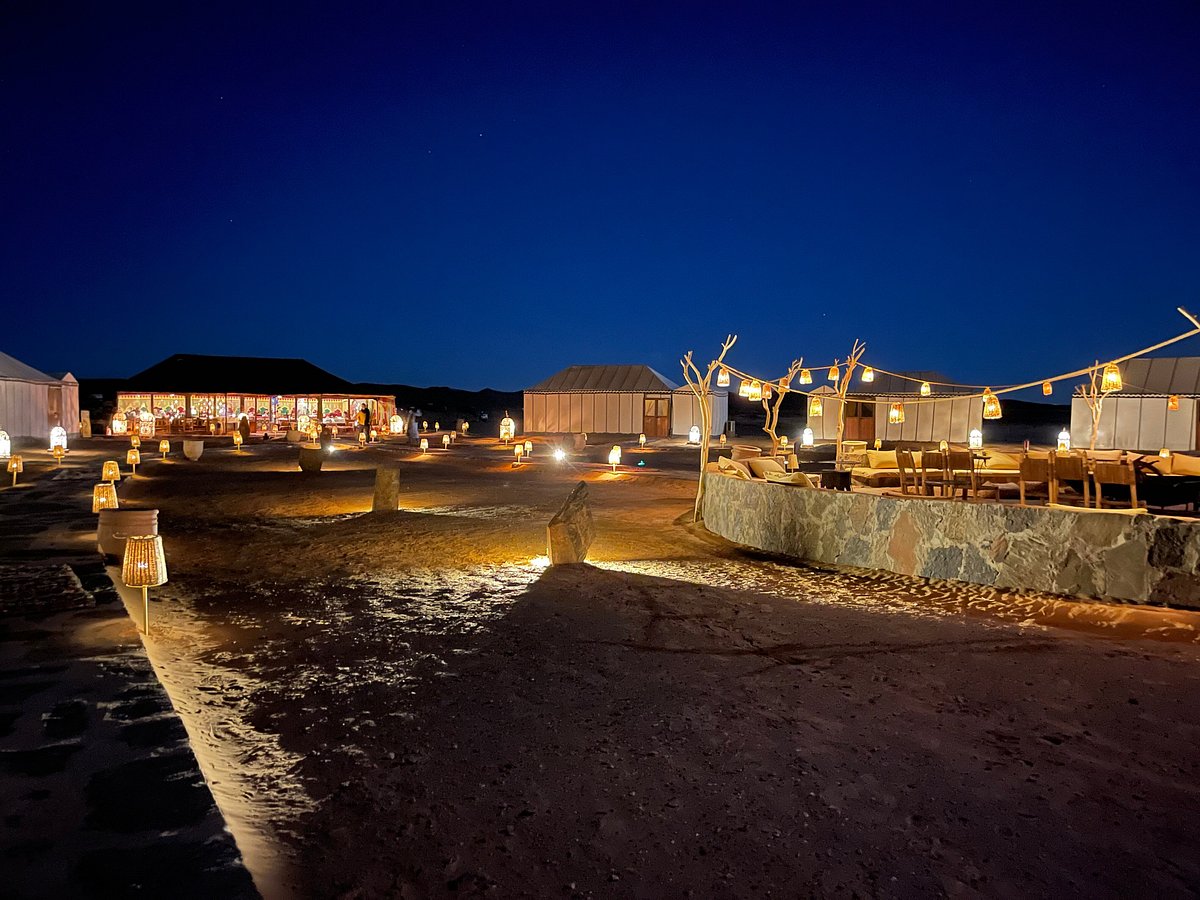
START PLANNING YOUR JOURNEY TODAY
Why Three Days Is the Sweet Spot
Some experiences can’t be rushed. Others don’t need a week. A 3 day Sahara desert tour Morocco hits the balance perfectly.One day isn’t enough – you’d spend most of it driving, arrive exhausted, and leave before the desert reveals itself. Five or more days allows deeper exploration but requires significant time commitment and works only for extended trips.Three days gives you:- Time to appreciate the journey through the Atlas Mountains and Draa Valley
- A full night in the desert, not a rushed overnight
- Sunrise AND sunset in the dunes – the two most magical moments
- Space to breathe, absorb, and actually experience rather than just witness
- Enough immersion to feel the desert’s scale and silence
- Return to your origin city without exhaustion
What You’ll Experience in Three Days
Day One: Mountains, Valleys, and Arrival
Your 3 day Sahara tour begins early – typically 7:00 or 8:00 AM departure from Marrakech or Fez. The drive itself becomes part of the adventure.From Marrakech, you’ll cross the Tizi n’Tichka pass – North Africa’s highest paved road, winding through the High Atlas at over 2,200 meters. The landscapes shift constantly: red earth villages, snow-capped peaks (in season), Berber communities clinging to hillsides. Most tours stop at Ait Benhaddou, the UNESCO-listed kasbah that’s starred in countless films, its mud-brick towers rising against mountain backdrops.Continuing southeast, you’ll enter the Draa Valley or similar oasis regions – ribbons of green palms cutting through ochre desert, ancient kasbahs guarding precious water sources. The contrast between lush and barren, cultivated and wild, defines this transitional landscape.By late afternoon, you reach the desert’s edge. Depending on your destination (Erg Chebbi or Erg Chigaga), the final approach varies – perhaps a camel ride into the dunes as the sun drops, perhaps a 4×4 transfer to a remote camp location. Either way, you’ll watch sunset paint the sand gold and orange before settling into your desert accommodation.First night: Desert camp, dinner under stars, perhaps Berber drumming around the fire.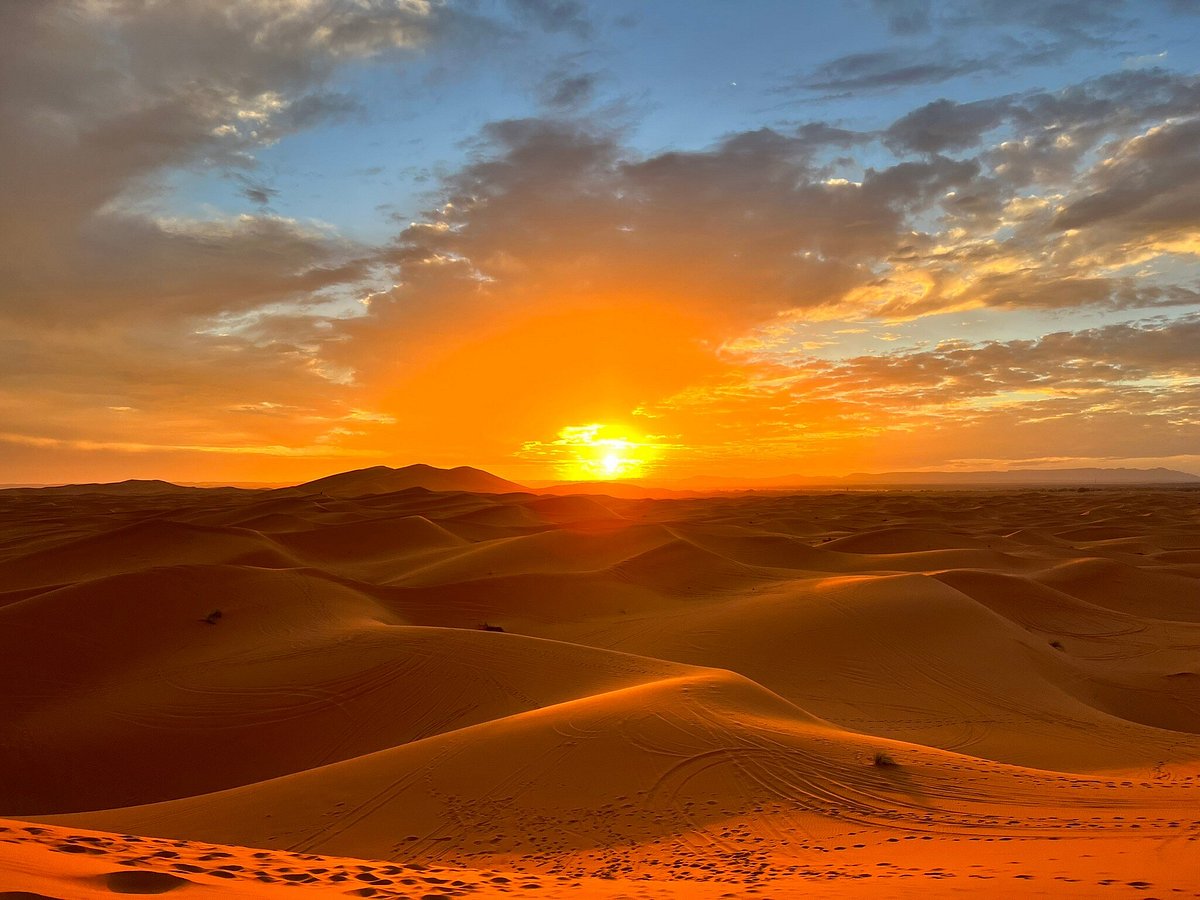
Day Two: Full Desert Immersion
This is why you came. Day two belongs entirely to the Sahara.Sunrise demands early waking – 5:30 or 6:00 AM depending on season. Climb a dune in the pre-dawn darkness, find a comfortable spot, and wait. The transformation as light floods the desert is impossible to capture adequately in photographs or words. Colors shift through purple, pink, gold, white. Shadows define dune ridges. The silence amplifies everything.After sunrise, return to camp for breakfast – typically a generous spread of Moroccan pastries, bread, honey, eggs, fruit, and endless mint tea. The morning stretches ahead unhurried.Daytime activities vary with your tour and preferences:- Camel trekking deeper into the dunes
- Sandboarding down steep dune faces
- Desert walks to appreciate scale and silence
- Visiting nomad families who still live in the Sahara
- Simply relaxing at camp, reading, napping, absorbing
- Photography as light changes through the day
Day Three: Sunrise and Return
Your final desert morning begins like the first – early rising for sunrise, the ritual you now understand deserves reverence. This viewing often feels more meaningful; you know what you’re losing.After breakfast and camp departure, the journey reverses – but not identically. Good tours vary the return route, perhaps visiting the Todra Gorges (300-meter limestone canyons) or the Dades Valley (dramatic rock formations and kasbahs). New landscapes keep the return engaging rather than repetitive.You’ll stop for lunch in a valley town, perhaps visit a Berber village or craft cooperative, and continue through the mountains as afternoon light softens the landscapes you crossed two days prior.Arrival back in Marrakech or Fez typically occurs between 7:00 and 9:00 PM – tired, sand-dusted, and changed in ways that take weeks to fully understand.START PLANNING YOUR JOURNEY TODAY
3 Day Sahara Tour Routes
Marrakech to Erg Chebbi (and return)
The most popular 3 day Sahara desert tour route. Erg Chebbi offers Morocco’s most dramatic dunes – towering orange waves reaching 150 meters high. The drive (approximately 9-10 hours each way with stops) crosses the High Atlas, visits Ait Benhaddou, passes through Ouarzazate, and follows the Road of a Thousand Kasbahs before reaching Merzouga.Best for: Those wanting the iconic tall dunes, first-time desert visitors, photographers seeking dramatic landscapes.Marrakech to Erg Chigaga (and return)
A route favoring remoteness over scale. Erg Chigaga’s dunes are smaller than Chebbi but the isolation is complete – no towns nearby, no other tourists visible, pure Sahara solitude. Access requires 4×4 for the final stretch, adding adventure to arrival.Best for: Travelers prioritizing privacy and authenticity over iconic imagery, those who’ve seen Chebbi before, adventure seekers.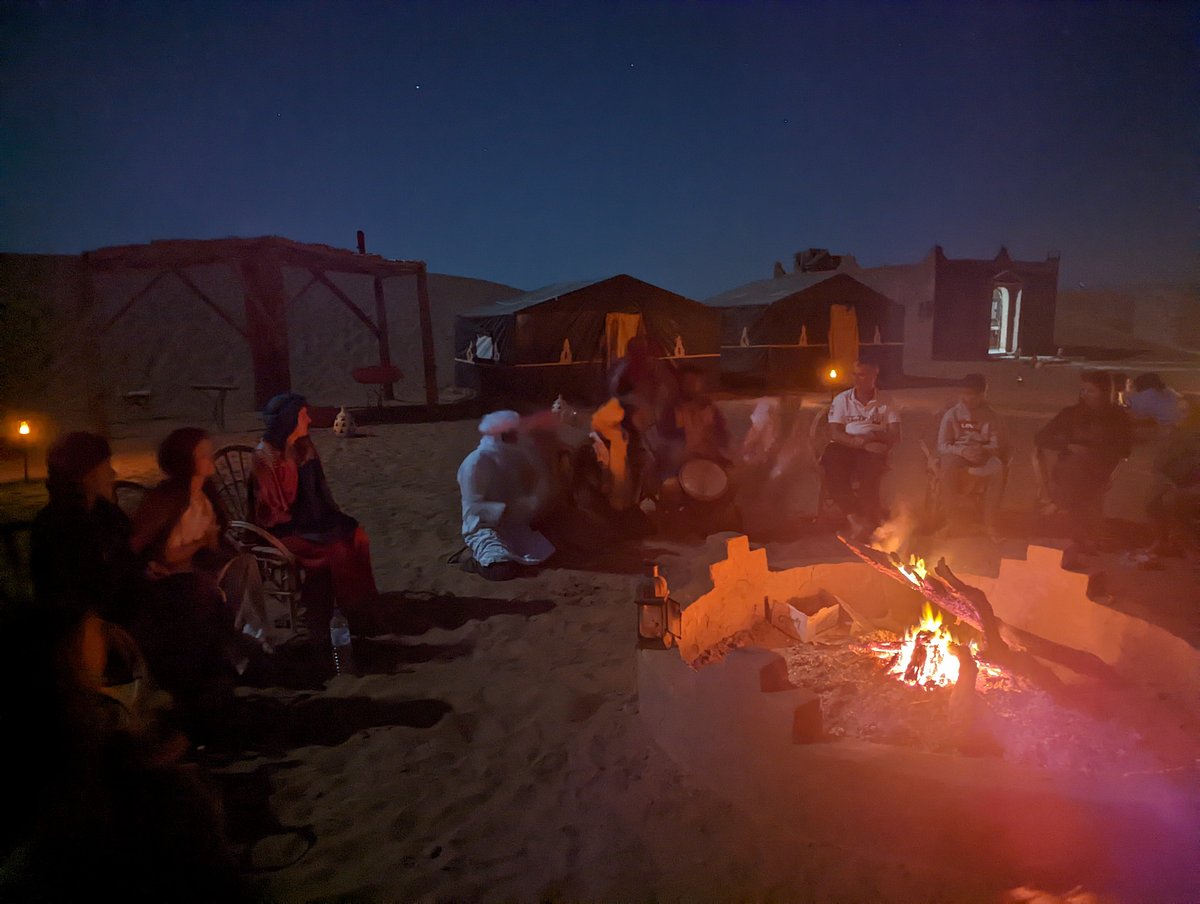
Fez to Erg Chebbi (and return)
Starting from Fez changes the journey entirely. You’ll cross the Middle Atlas (cedar forests, Barbary macaques, crater lakes), pass through Ifrane (Morocco’s “Little Switzerland”), traverse the Ziz Valley gorges, and approach the desert from the north.Best for: Those already in Fez, travelers wanting different landscapes than the Marrakech route, anyone seeking less-traveled paths.One-Way: Marrakech to Fez (or reverse)
The most efficient format for travelers visiting both imperial cities. Start in one, end in the other, with the Sahara as your magnificent middle. This eliminates backtracking and adds the Ziz Valley to your Marrakech-route experience (or vice versa).Best for: Anyone visiting both Marrakech and Fez, maximizing landscape variety, and efficient trip planning.What’s Included in 3 Day Desert Tours
3 day Sahara desert tour Morocco packages typically include:- Hotel/riad pickup and drop-off
- Private or shared vehicle with experienced driver
- All transportation throughout the tour
- Camel ride to/from desert camp
- One or two nights in desert camp (depending on itinerary)
- Additional night in valley accommodation (some itineraries)
- All meals during the tour
- English-speaking driver/guide
- Entrance fees to monuments and kasbahs
- Traditional Berber entertainment at camp
START PLANNING YOUR JOURNEY TODAY
Private vs. Shared 3 Day Tours
Shared Tours
Join other travelers (typically 4-15 people) on a scheduled departure. You’ll share the vehicle, follow a fixed itinerary, and split costs.Advantages: Lower price, social atmosphere, regular departure dates Considerations: Less flexibility, fixed schedule, shared accommodationsPrivate Tours
The vehicle, guide, and itinerary belong exclusively to your group. Stop where you want, adjust timing, choose your accommodation level.Advantages: Complete flexibility, personalized experience, ability to upgrade camps Considerations: Higher price (though excellent value for groups)We specialize in private Morocco tours because every itinerary can be fully customized to your interests. Want to spend more time at Ait Benhaddou? Done. Prefer a luxury desert camp over standard accommodation? Arranged. Interested in adding a cooking class or Atlas trekking to extend your journey? We’ll design it.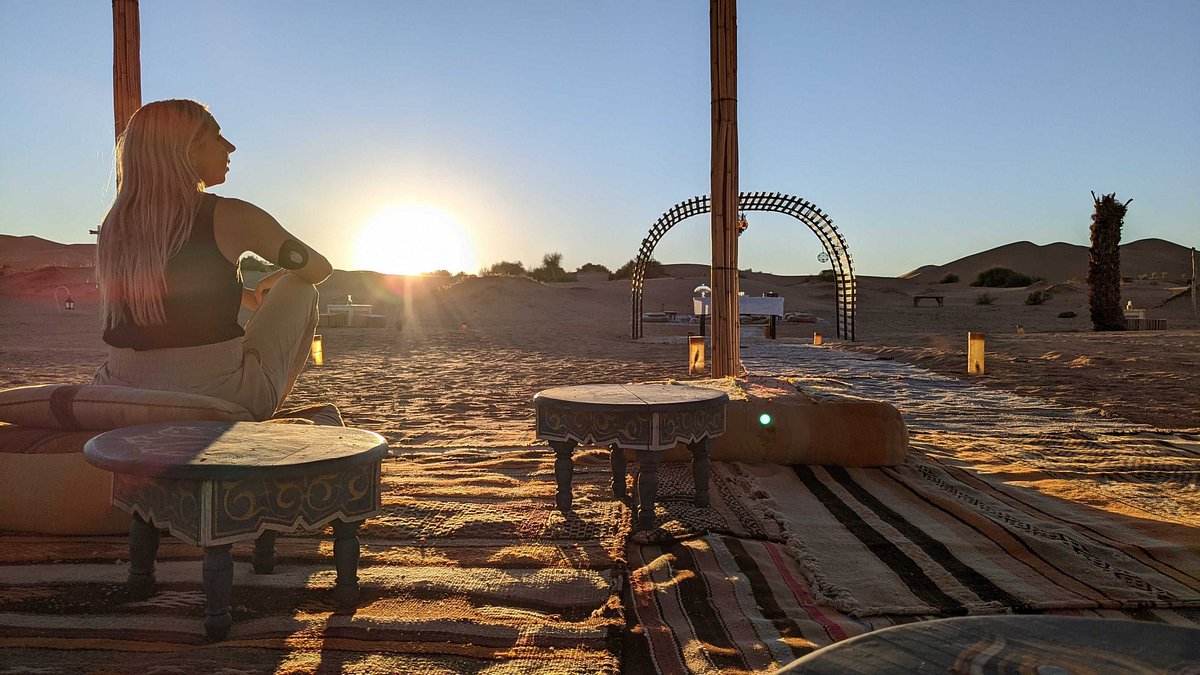
Best Time for 3 Day Sahara Tours
Ideal Season: October to April
The Sahara is a desert – summer temperatures can exceed 45°C. The cooler months from autumn through spring offer comfortable travel: warm days, cool nights, pleasant temperatures for camel riding and dune exploration.Peak Months: March to May, September to November
Within the ideal season, spring and autumn provide the sweetest conditions. Weather is most predictable, landscapes are at their most photogenic, and camps operate at full capacity with all amenities.Winter Travel: December to February
Winter brings clear skies and comfortable daytime temperatures. Nights become genuinely cold (near freezing sometimes), but camps provide blankets and heating. The low season means fewer tourists and more intimate experiences.Summer Considerations: May to September
Summer 3 day tours are possible but challenging. Some operators reduce schedules; others shift timing to avoid midday heat. If summer is your only option, expect early departures, longer midday breaks, and evening activities. Drink constantly.Choosing Your Desert Accommodation
Your 3 day Sahara tour experience depends significantly on where you sleep.Standard Camps
Shared tent accommodation with basic amenities – mattresses, blankets, shared bathroom facilities. Authentic and functional but not luxurious. Good for budget-conscious travelers and those prioritizing experience over comfort.Upgraded Camps
Private tents with better furnishings, sometimes ensuite bathrooms with hot water. A middle ground offering comfort without premium pricing.Luxury Camps
Private luxury accommodation with proper beds, quality linens, ensuite hot showers, gourmet dining, and exclusive positioning. For travelers who want authentic desert experience without sacrificing comfort.We can arrange any accommodation level within your 3 day tour. Tell us your preferences and we’ll match you with the right camps.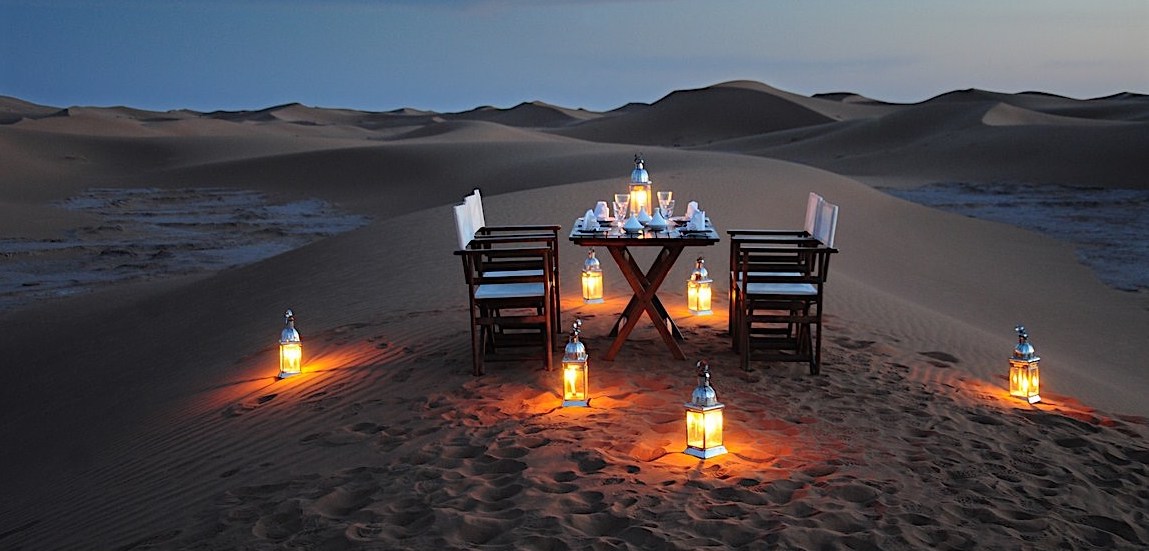
START PLANNING YOUR JOURNEY TODAY
What to Pack for Three Days
Essential Items
- Layers: Desert temperatures swing 20-30°C between day and night
- Comfortable walking shoes: For dune climbing and camp wandering
- Sandals: For around camp
- Sun protection: Hat, sunglasses, high-SPF sunscreen
- Warm jacket: Evenings get cold, especially October-March
- Scarf or shemagh: Useful for sun, wind, and sand
- Flashlight/headlamp: Essential for nighttime camp navigation
Photography Gear
- Camera with charged batteries: No reliable charging in desert camps
- Extra memory cards: You’ll shoot more than expected
- Lens cleaning supplies: Sand gets everywhere
Personal Items
- Medications: Anything you need, plus basic first aid
- Toiletries: Camps provide basics, but bring preferences
- Small daypack: For carrying items during activities
- Cash: For tips and small purchases (ATMs don’t exist in the Sahara)
What to Leave Behind
- Heavy luggage (you won’t need most of it)
- Tight schedules and stress
- Expectations of connectivity (embrace the disconnect)