
Morocco in winter: a region-by-region guide to weather, sun and snow
Morocco in winter is mostly sunny and mild by day and cold at night, but it is not one climate. The warmest days are in the southern cities and on the south coast, and the desert stays dry, with nights that fall close to freezing. The Atlas gets real snow, and the north and the Atlantic coast get most of the rain.
Our team lives in Marrakech and drives the country every year to test hotels and routes, and our report from the November and December 2025 trip covers a drive of over 4,000 km (about 2,500 miles). This guide adds the official climate numbers for the best places to visit in Morocco in winter, so you can plan winter in Morocco around the weather you will actually get.
When is winter in Morocco, and what is it really like?
Winter runs from December to February, with late November and early March as shoulder weeks on either side. Across those winter months, most days are bright and dry, and most nights are colder than visitors expect.
The country fits four climates into one trip: a mild Atlantic coast, a wet Mediterranean north, a cold and often snowy Atlas, and a dry pre-Saharan south with warm afternoons and nights near zero. As a winter destination, Morocco offers all four on a single route, so the honest answer to “will it be warm?” depends on where you sleep.
Morocco in winter is quieter than spring, but it is far from empty. The country received more than 1.3 million tourists in January 2026, up 3% on January 2025, the Finance Ministry’s studies department (DEPF) reported. January still works if you want to visit Morocco while the big sights are calmer; it just is not a secret anymore.
Morocco winter weather by region: the numbers
The table below shows Morocco in winter at eight weather stations, from the World Meteorological Organization’s climate normals for 1991 to 2020.
| Place | January high | January low | January rain |
| Marrakech (main city base) | 66°F (19.1°C) | 43°F (5.9°C) | 1 in (25 mm), 5 days |
| Agadir (south coast) | 70°F (21.1°C) | 47°F (8.4°C) | 1.2 in (32 mm), 4 days |
| Casablanca (Atlantic arrival city) | 64°F (17.6°C) | 48°F (8.9°C) | 2.5 in (64 mm), 9 days |
| Rabat (Atlantic capital) | 63°F (17.4°C) | 45°F (7.2°C) | 3.2 in (81 mm), 9 days |
| Ouarzazate (desert gateway) | 63°F (17.3°C) | 35°F (1.8°C) | 0.2 in (5.5 mm), 3 days |
| Errachidia (eastern desert road) | 61°F (15.9°C) | 36°F (2.0°C) | 0.4 in (10 mm), 3 days |
| Fes (imperial north) | 61°F (16.0°C) | 39°F (3.7°C) | 2.4 in (60 mm), 8 days |
| Tangier (Mediterranean north) | 62°F (16.8°C) | 47°F (8.2°C) | 3.5 in (90 mm), 10 days |
Source: WMO World Weather Information Service, 1991 to 2020 normals.
Read across the rows and four groups appear: the warm south, the rainier Atlantic cities, the dry desert stations that fall to about 35°F (2°C) after dark, and the north, where Tangier is wettest and Fes has cold nights. The daytime temperatures feel like a fine spring day and make for pleasant weather on foot; the cold comes at night, and in the mountains, which no station here covers.
Rain in Morocco during the winter falls mostly in the north and on the Atlantic side, where December and January are both wet months. These winter temperatures are averages, a guide for packing, and the weather in Morocco can turn quickly in the north, so check the forecast before you travel.
Marrakech and the south coast: where to find winter sun in Morocco
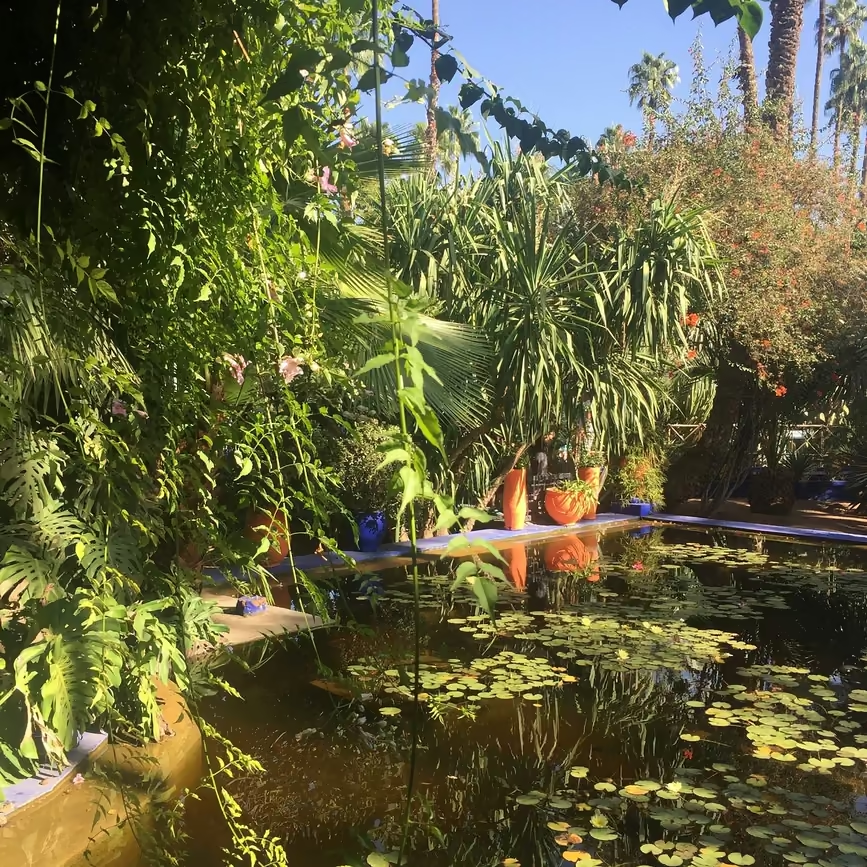
If you want plenty of sunshine, head south and west. The Red City is a touch warmer either side of January, at 68°F (20.2°C) by day in December and 69°F (20.7°C) in February, with nights around 45°F (7°C).
That makes it an easy winter city break and the simplest base for the season. Afternoons bring comfortable weather for the medina in a light layer, though the souks turn cool once the sun drops, and on clear days the snow on the Atlas Mountains fills the skyline. For a plan of those days, see things to do in Marrakech.
Agadir has the warmest days in the table. That is weather for long walks on the beach and lunch outside, but not the heat you would want to lie by a pool all afternoon.
Farther up the Atlantic, Essaouira, known as the windy city and popular with kite-surfers, is the breezy coastal option: go for the harbor town and bring a jacket.
The Sahara Desert in winter: mild days, near-freezing nights
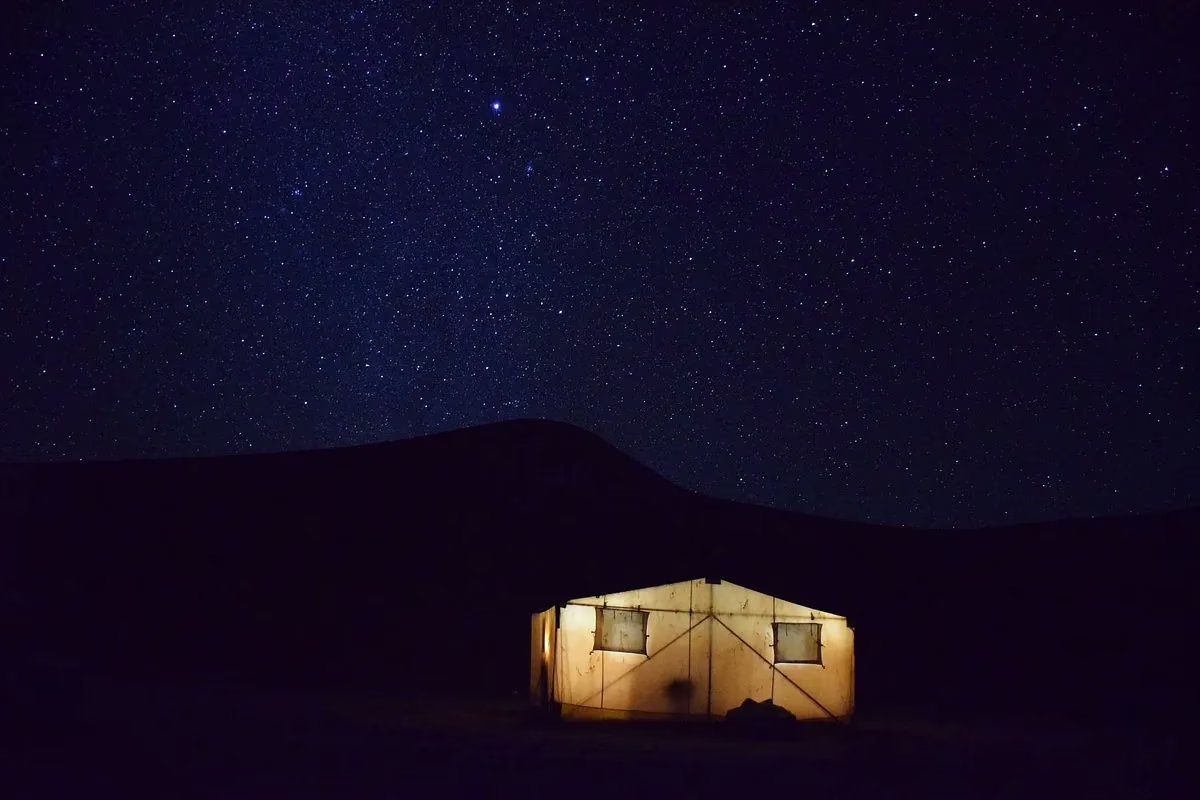
In the Sahara Desert in Morocco, winter days are pleasant and nights are cold. The heat that makes the dunes hard work in the summer months is gone, which makes winter a fine season in Morocco to visit the Sahara, and our Sahara guide puts the best desert months between October and April. Errachidia, near the Merzouga route, and Ouarzazate both drop to about 35°F (2°C) on a January night.
Why the big drop after sunset? The ground loses heat fastest under a clear sky, in light wind and in dry air, as the Hong Kong Observatory explains. The desert has all three in winter, so temperatures fall fast once the sun goes down, and the same dry air gives the desert in December some of the best winter stargazing in the country.
In practice, an evening at camp starts warm by the fire and ends cold, so ask how the tent is heated and how much bedding comes with the bed. At the luxury camp we use at Erg Chigaga, the king-size beds come heavy with blankets and brocade covers. For the night itself, read about a night under the Sahara stars.
A camel ride across the dune field at sunset, dinner in camp, then a cold and very bright night: that is the classic Moroccan winter stay in the Sahara. If you would rather travel to the Sahara without the work of the long drives, our luxury Sahara Desert tour handles them.
Snow in the Atlas Mountains: road closures, day trips and real cold
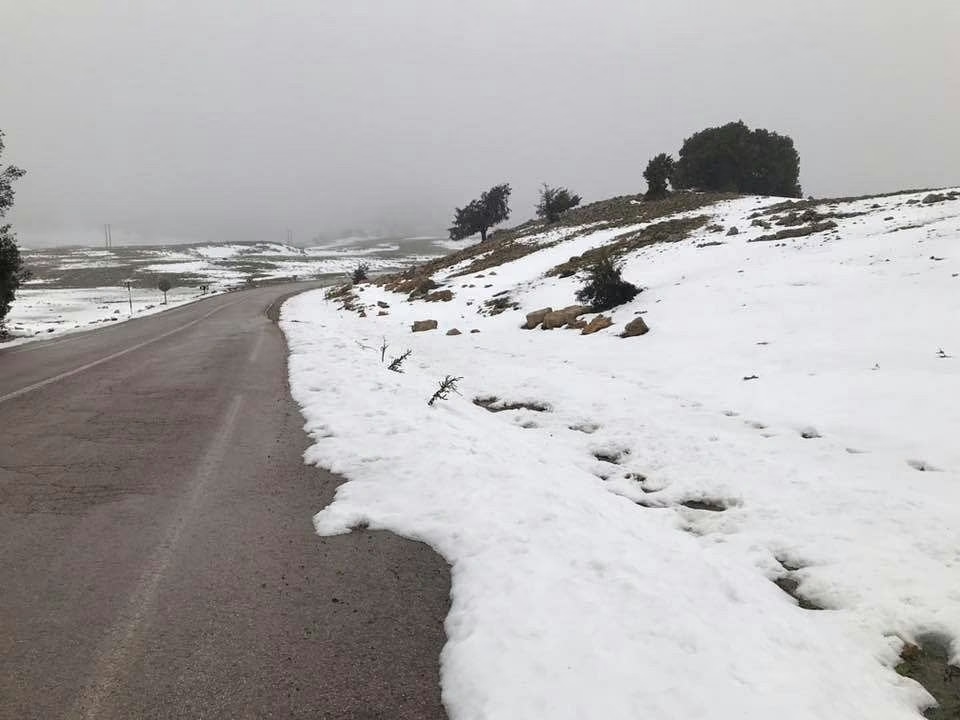
Yes, it snows in Morocco in winter. The High Atlas and the Middle Atlas get real snow during winter in Morocco, and the cold up there is serious. Ifrane, in the Middle Atlas, recorded -11°F (-23.9°C) on February 11, 1935, often cited as the lowest temperature ever measured in Africa.
Snow also closes roads, a real risk to any route in Morocco in winter. On January 3, 2026, heavy snowfall shut the Tizi n’Tichka pass between Marrakech and Ouarzazate in both directions, Hespress reported. Any route over the High Atlas Mountains needs a spare day built in.
Our drivers know that road. When storms closed both the Tichka and Tizi n’Test passes in a recent winter, we reversed our guests’ route and rebooked their hotels along the way.
Can you ski in Morocco in winter? Not reliably. Oukaïmeden sits at 8,560 to 10,700 feet (2,610 to 3,262 m), about 43 miles (70 km) from the Red City. Its lifts did not run in winter 2025-26, Adventure.com reported, and a contract to restructure the resort went to Poma in June 2026, Medias24 reported, with no reopening date announced. Treat it as one of the winter activities near the city: a snow outing, then dinner back in Marrakech.
Toubkal is a different matter: in winter it is a mountaineering objective that needs proper kit and a guide, not a casual trek, and the CDC asks travelers to be careful with the strong sun at high elevation. For a gentler look at the snow line and the Berber villages below it, see our Atlas Mountains tours.
Fes, Tangier and the north: come for the medinas, not the sunshine
The north is the wet half of Morocco in winter, so come for the old cities, the crafts and the food, and pack for rain. Fes gets about 2.4 times the January rain of Marrakech, and its old walled city, Fes el Bali, is a UNESCO World Heritage site worth a visit in any weather. Tangier is the wettest stop of Morocco’s winter, though it keeps the mildest nights in the north.
That calls for a different plan in the north. Build the days around indoor time: the old lanes, museums, a hammam and long Moroccan lunches. Carry a rain layer and shoes that grip on wet stone. Above all, save the sunny days for the south of Morocco.
If your flight lands in Casablanca, the north is an easy first leg before you head south for the sun. In the other direction, our Marrakech to Fes desert tours link the two halves over the Atlas and through the dunes.
December, January or February: which month fits your winter trip to Morocco?
Between December and February, the daytime figures barely move across Morocco in the winter, and the south stays mild. Winter offers clear light, quiet roads and snow on the peaks; the holidays and the crowds change more than the weather does.
December. For a visit to Morocco in December, expect warm afternoons in the south and the one busy stretch of winter in Morocco at the very end of the month; early December is calmer. For the year-end break, the busiest week of the season, book seven to nine months ahead, and note that for New Year bookings the 30% deposit is not refundable.
January. January is the coolest month at all eight stations in the table. It also brings Yennayer, the Amazigh New Year, on January 14, an official paid national holiday since 2024.
February. February is a good time to visit the Anti-Atlas around Tafraoute for the almond blossom. The town’s almond festival keeps its own calendar: its 13th edition was held in April 2026, Morocco’s MAP news agency reported, well after the trees flower, so check the dates before you plan a trip around it.
The owner of Dar Infiane in Tata told us that, since the routes are part of the journey, January and February, when the almond trees flower, are perhaps the best time of year to visit, and we agree: this is a quiet corner of winter in Morocco. It is good walking country too, and our story of a two-day trek in the Anti-Atlas sets off south of Tafraoute.
Ramadan 2027 is expected to begin around February 8, so read our page on travel during Ramadan if your trip runs into February.
What to pack for cooler weather, and how to stay warm indoors
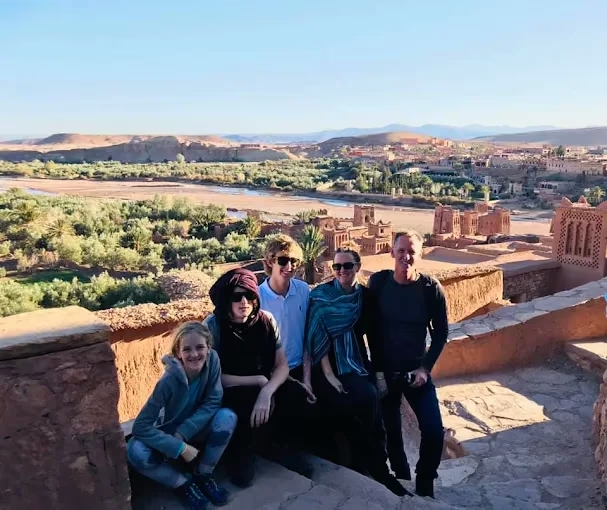
Pack for Morocco in winter in layers, not one heavy coat, because winter travel here is about the swing between noon and night. For cold weather, the CDC advises several layers of loose-fitting clothing, a cover for head and face, and gloves.
A T-shirt or a light long-sleeved top is enough at noon in the southern sun; add a sweater by late afternoon in the old city, a warm hat, gloves and a down layer at a desert camp in the evening, and a waterproof shell in the north or the mountains. Long sleeves and long pants also make modest dress easy.
Indoor heating is the weak spot of winter in Morocco, and riads feel it most: most are built around an open courtyard to stay cool in summer, so a riad room can feel chilly on a cold winter night. Ask before you book whether your room is heated.
If the heat or the hot water comes from gas, watch the air: carbon monoxide has no smell, and the CDC warns that people who are asleep can die from it before they have symptoms. Keep the room ventilated, and never sleep with an unvented gas heater on.
Health prep for Morocco during winter is short. The CDC’s Morocco travel page lists routine vaccines, flu among them, plus typhoid for most travelers, hepatitis A for the unvaccinated over one, and hepatitis B for the unvaccinated under 60.
Travel tips for a winter itinerary through Morocco
A route around Morocco in winter works best when the nights fall where it is mild and the long drives where it is dry. If you visit Morocco in winter for the sun, sleep in the south, spend one or two starry nights in the desert, cross the Atlas with a spare day in hand, and give the north to culture.
Our 7-day Morocco itinerary shows how winter in Morocco can follow that pattern: it starts in Casablanca, takes in Fes and the Erg Chebbi dunes and ends in Marrakech, so the wet north comes first and the sun last. The 10-day itinerary adds Essaouira.
A private route matters most in Morocco in winter. If snow shuts the Tichka pass, a driver and local guide can wait a day or rework the plan; a fixed group schedule cannot, and a closed pass can cost you the desert leg. A private tailor-made tour lets you add that spare day from the start, so you can discover Morocco in winter and one closed road cannot sink the trip.
For sun, quiet desert nights and snow on the peaks, winter is a great time to travel. To plan a trip to Morocco in winter, tell us your dates and we will shape your winter holiday in Morocco around the sun.
Frequently asked questions about Morocco in winter
Quick answers about winter in Morocco.
Is Morocco worth a visit in winter?
Yes. Morocco in winter suits travelers who want sunny cities, the desert and mountain snow, which lasts from December to March. It is not the best time to visit Morocco for the beach or for sunshine in the rainy north.
What is the weather like in Morocco in December?
Warm and dry by day in the south, with Marrakech around 68°F (20°C), and cold at night, close to freezing in the desert. The north is wetter: Tangier averages 4.5 inches (114 mm) of rain in December.
When is Ramadan in 2027, and does it change a February trip?
Ramadan 2027 is expected to run from around February 8 to March 8 or 9, with Eid al-Fitr on March 9 or 10, subject to moon sighting, and the local start can differ by a day. Dinners run later and some sites close earlier.
Does it snow in Morocco in winter?
Yes, in the mountains. Snow covers the Atlas peaks in most winters, and heavy falls can close the Tizi n’Tichka pass, as they did twice in January 2026.
Is Morocco cheaper in winter?
Yes, outside the New Year week. Winter in Morocco is our low season, so prices are lower.