
Casablanca Morocco Travel Guide: Things to Do in Casablanca, Travel Tips & Itinerary
Casablanca is the largest city in Morocco and the country’s economic center, where modern architecture, Atlantic Ocean views, historic neighborhoods, and cultural landmarks come together to create one of the country’s most dynamic destinations. While many travelers pass through Casablanca on their way to Morocco’s imperial cities or the Sahara Desert, the city offers far more than an arrival point. From the magnificent Hassan II Mosque to lively waterfront promenades and traditional markets, Casablanca combines contemporary Morocco with a rich historical heritage.
This Casablanca Morocco Travel Guide covers everything you need to know before your visit, including the best attractions, local food, transportation, accommodations, practical travel advice, and suggested itineraries. If you’re spending one day exploring the city’s highlights or beginning a longer journey across Morocco, this guide will help you plan every stage of your trip with confidence.
Unlike cities such as Fez or Marrakech, Casablanca presents a more modern side of Morocco. Wide boulevards, Art Deco buildings, business districts, oceanfront cafés, and contemporary shopping areas blend naturally with traditional neighborhoods and historic landmarks. The result is a destination that appeals to travelers looking for both culture and modern comforts.
Think of this as your complete travel guide for exploring Casablanca, Morocco’s largest and most cosmopolitan city, with confidence. Locals often refer to Casablanca simply as Casa, a nickname you’ll hear frequently during your trip.
How This Casablanca Morocco Travel Guide Helps You Plan Your Trip
Casablanca is often the first stop for international visitors arriving in Morocco, yet many travelers underestimate everything the city has to offer. Beyond its busy business districts lies a destination filled with remarkable architecture, excellent restaurants, lively markets, and scenic Atlantic coast views.
This Casablanca Morocco Travel Guide answers the questions travelers ask before arriving. You’ll learn the best time to visit, how to get around the city, where to stay, which attractions deserve your time, and how to combine Casablanca with other destinations throughout Morocco.
You’ll also discover nearby destinations that pair perfectly with Casablanca, including Rabat, El Jadida, Marrakech, and Chefchaouen. If you’re planning a longer adventure, Casablanca is an excellent starting point for one of our Private & Tailor-Made Tours, allowing you to explore Morocco comfortably while traveling at your own pace.
If you’re visiting for a single day or beginning a two-week Morocco itinerary, careful planning allows you to experience Casablanca beyond the city’s most famous landmarks.
History of Casablanca and Why You Should Visit
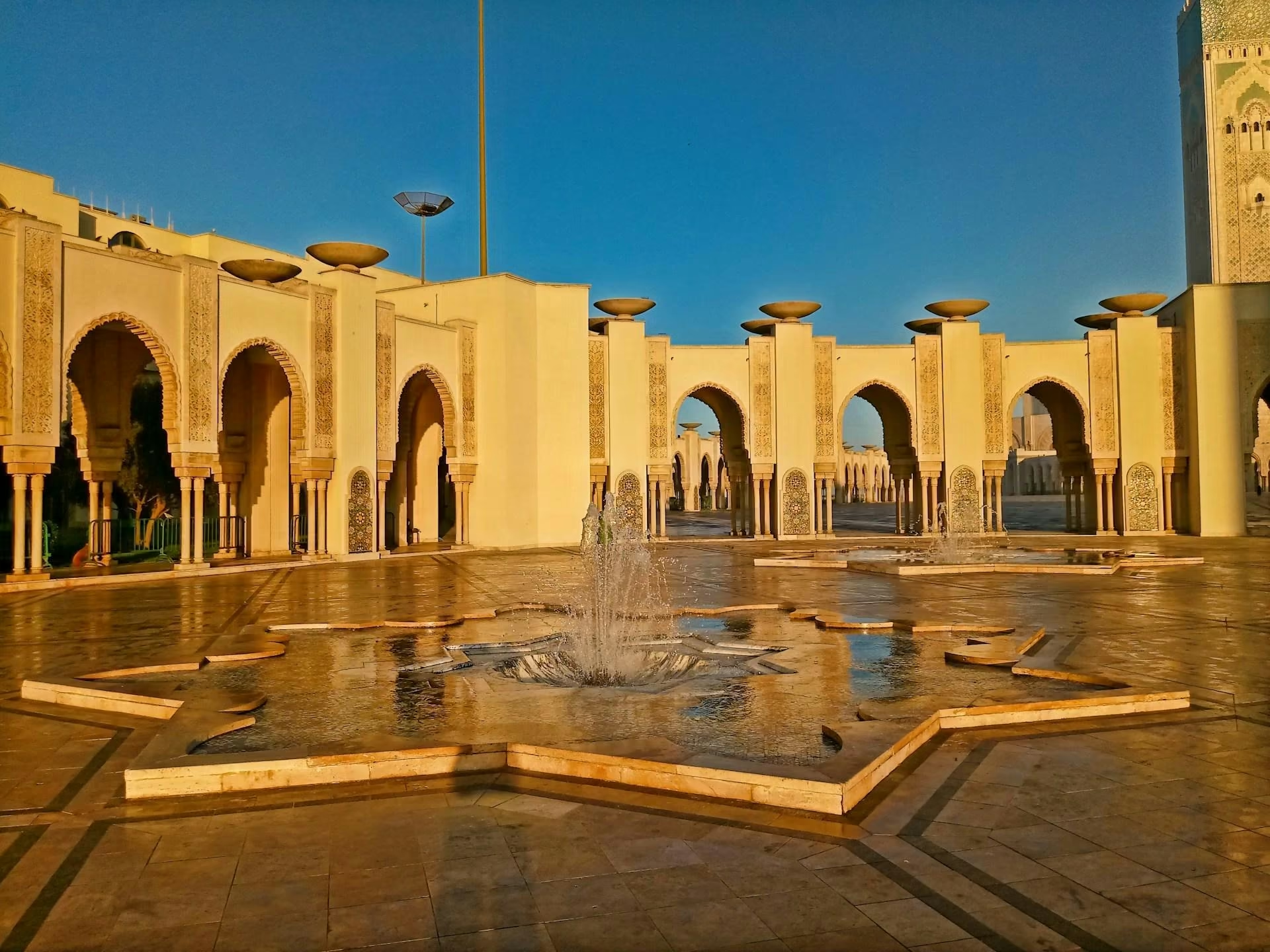
Casablanca offers a completely different perspective than the country’s imperial cities. As Morocco’s commercial capital, the city of Casablanca blends historic neighborhoods, contemporary business districts, and Atlantic waterfront attractions into one dynamic destination. This combination of history, culture, and modern development makes it one of the nation’s most distinctive places to visit.
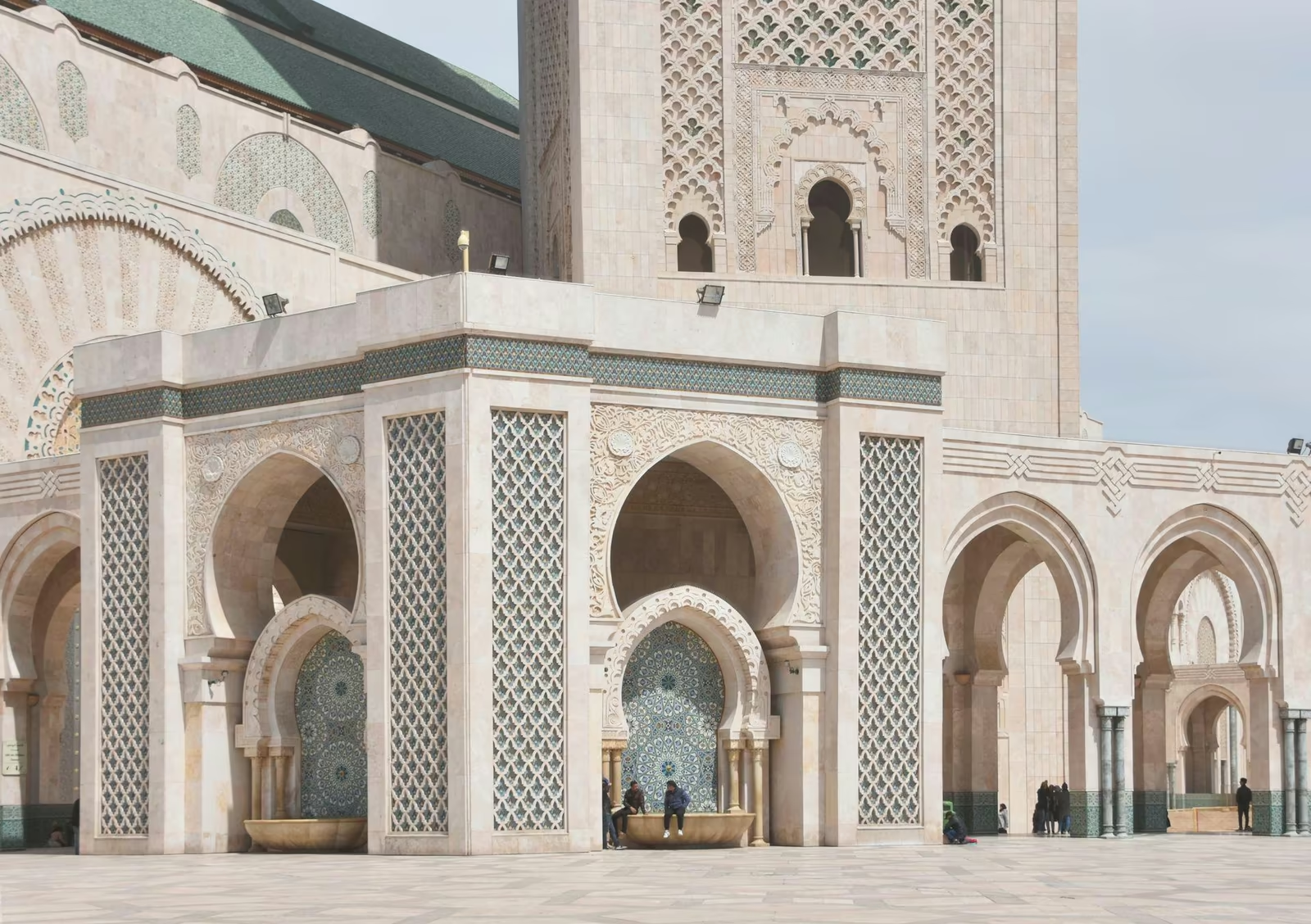
The city’s most recognizable attraction is the magnificent Hassan II Mosque, one of the largest mosques in the world and one of the few in Morocco open to non-Muslim visitors through guided tours. Its spectacular location overlooking the Atlantic Ocean makes it one of the country’s most photographed landmarks.
Beyond the mosque, Casablanca offers lively neighborhoods, Art Deco architecture, traditional markets, beautiful beaches, stylish cafés, and excellent dining opportunities. Visitors can spend their mornings exploring historic districts before enjoying fresh seafood beside the ocean in the afternoon.
Casablanca is also one of Morocco’s major transportation hubs. Its central location makes it easy to continue toward Rabat, Fez, Chefchaouen, Marrakech, Essaouira, or the Sahara Desert. At Sun-Trails, we often include Casablanca in our tailor-made Morocco itineraries because it provides a convenient introduction to the country while connecting travelers to destinations across Morocco.
How to Get to Casablanca?
Casablanca is located on Morocco’s Atlantic coast in the western part of the country. Approximately 90 kilometers southwest of Rabat and around 240 kilometers northwest of Marrakech, the city occupies a strategic location that has made it Morocco’s principal commercial center for decades.
Most international travelers arrive through Mohammed V International Airport, Morocco’s busiest airport. Located approximately 30 kilometers south of the city center, the airport offers direct flights from Europe, North America, the Middle East, and several African destinations.
The easiest way to go to Casablanca is by flying into Mohammed V International Airport or traveling by ONCF train from Morocco’s major cities.
A direct ONCF airport train connects Mohammed V International Airport with Casablanca Voyageurs Station, making public transportation both convenient and affordable.
Travelers already exploring Morocco can easily reach Casablanca through the country’s modern ONCF railway network.
Approximate travel times include:
- Rabat to Casablanca: around 1 hour by train.
- Marrakech to Casablanca: approximately 2.5 to 3 hours by high-speed or standard train.
- Fez to Casablanca: around 4 hours.
- Tangier to Casablanca: approximately 2 to 2.5 hours via Al Boraq high-speed train.
- El Jadida to Casablanca: around 1.5 hours.
Private transfers provide an excellent alternative for travelers wishing to stop along the route or combine several destinations into one itinerary. Our Morocco Tour Packages frequently connect Casablanca with Rabat, Chefchaouen, Fez, Marrakech, and the Sahara Desert, allowing visitors to experience Morocco at a comfortable pace.
Once inside the city, Casablanca offers one of Morocco’s easiest transportation systems, making it simple for visitors to move between neighborhoods, attractions, and hotels.
Planning to Visit Casablanca: Best Time to Go
Casablanca enjoys a mild Atlantic climate throughout the year. Thanks to its coastal location, temperatures remain moderate compared to many inland Moroccan cities, making sightseeing comfortable during every season.
If you’re planning to combine Casablanca with destinations such as Marrakech, Fez, or the Sahara Desert, choosing the right season can make your entire Morocco itinerary more enjoyable. Our seasonal Morocco travel guide provides additional recommendations for planning a multi-city journey.
Spring (March to May)
Spring is one of the best times to visit Casablanca. Pleasant daytime temperatures usually range between 66°F and 77°F (19°C to 25°C), creating excellent conditions for sightseeing, walking along the Corniche, and exploring the city’s historic districts.
Gardens become greener after the winter rains, while outdoor cafés and restaurants fill with both locals and visitors enjoying the comfortable weather.
Because spring is one of Morocco’s busiest travel seasons, booking accommodations and private tours four to five months in advance is recommended.
Summer (June to August)
Unlike many Moroccan cities, Casablanca remains relatively comfortable during summer thanks to refreshing Atlantic breezes.
While temperatures occasionally rise above 80°F (27°C), the coastal climate keeps conditions much more pleasant than inland destinations such as Marrakech or Fez.
Summer attracts both international visitors and Moroccan families, especially around Ain Diab Beach and the Corniche. Reserving accommodations early is advisable during this popular season.
Autumn (September to November)
Autumn offers another excellent opportunity to visit Casablanca. Warm weather, fewer crowds, and pleasant evenings create ideal conditions for exploring historical landmarks, museums, and the waterfront.
Many travelers consider September and October among the best months to combine Casablanca with Rabat, Chefchaouen, or the imperial cities.
Winter (December to February)
Winter remains mild in Casablanca, with daytime temperatures generally ranging between 60°F and 68°F (16°C to 20°C).
Although occasional rainfall occurs, sightseeing remains enjoyable throughout the season. Winter also brings fewer visitors, making it an attractive time for travelers looking for quieter attractions and better hotel availability.
Best Things to Do in Casablanca: Top Attractions You Shouldn’t Miss
Casablanca offers far more than its reputation as Morocco’s business capital. The city combines remarkable architecture, oceanfront promenades, historic neighborhoods, modern shopping districts, and excellent dining, making it one of Morocco’s most diverse urban destinations.
If you’re interested in history, architecture, local culture, or relaxing beside the Atlantic Ocean, these attractions deserve a place on your itinerary.
Visit Hassan II Mosque
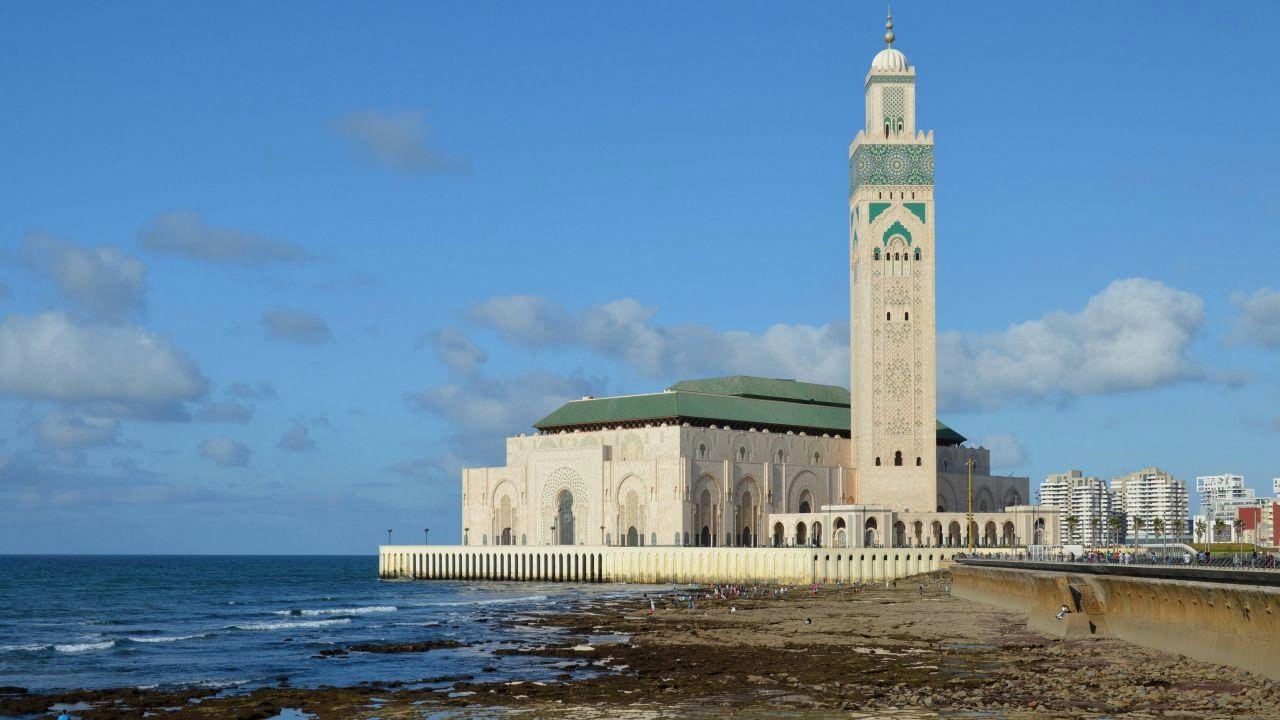
The Hassan II Mosque is Casablanca’s most famous landmark and one of the largest mosques in the world. Often described as the city’s grand mosque, it welcomes visitors from around the world through guided tours. Built partly over the Atlantic Ocean, its impressive minaret rises more than 200 meters above the coastline, making it one of the tallest religious structures anywhere.
Completed in 1993, the mosque displays exceptional Moroccan craftsmanship through hand-carved cedar wood, marble floors, detailed zellige tilework, and beautifully sculpted plaster. Thousands of Moroccan artisans contributed to its construction, preserving traditional techniques while creating one of the country’s greatest architectural achievements.
Unlike many mosques in Morocco, the Hassan II Mosque welcomes non-Muslim visitors through guided tours offered several times each day. The experience provides valuable insight into Moroccan architecture, religious traditions, and the incredible attention to detail found throughout the building.
Its location overlooking the Atlantic Ocean creates unforgettable views, especially during sunrise and sunset when the light reflects across the water.
Walk Along the Corniche
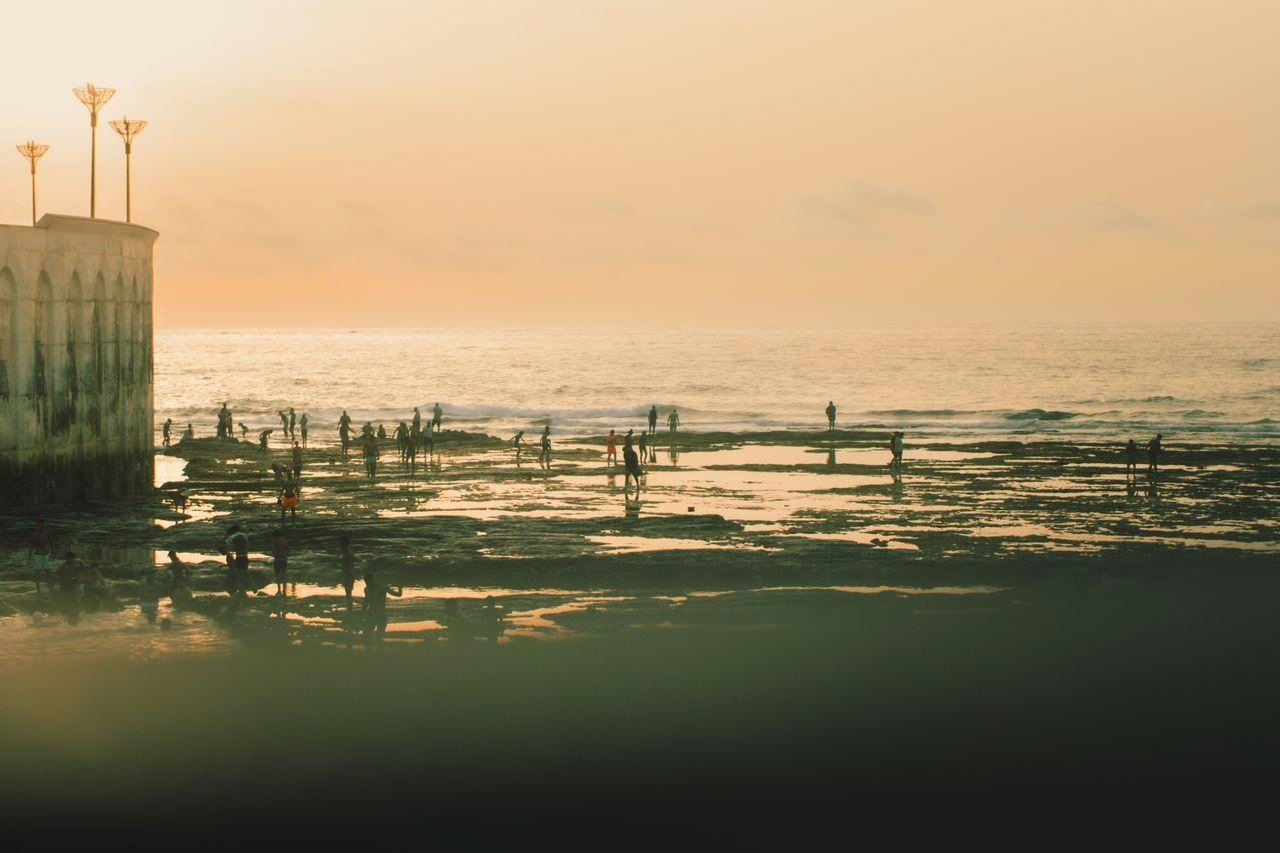
Casablanca’s Corniche is one of the city’s most popular waterfront areas, stretching along the Atlantic coastline with wide pedestrian walkways, cafés, restaurants, hotels, and ocean views.
The promenade attracts both locals and visitors throughout the day. Early mornings are popular for jogging or walking beside the sea, while evenings bring families and friends together to enjoy the cooler temperatures after sunset.
Numerous cafés overlook the Atlantic, making the Corniche an excellent place to relax with traditional Moroccan mint tea or fresh seafood while watching the waves roll onto the shore.
Many of Casablanca’s luxury hotels are also located here, providing convenient access to both the beach and the city center.
Explore the Old Medina
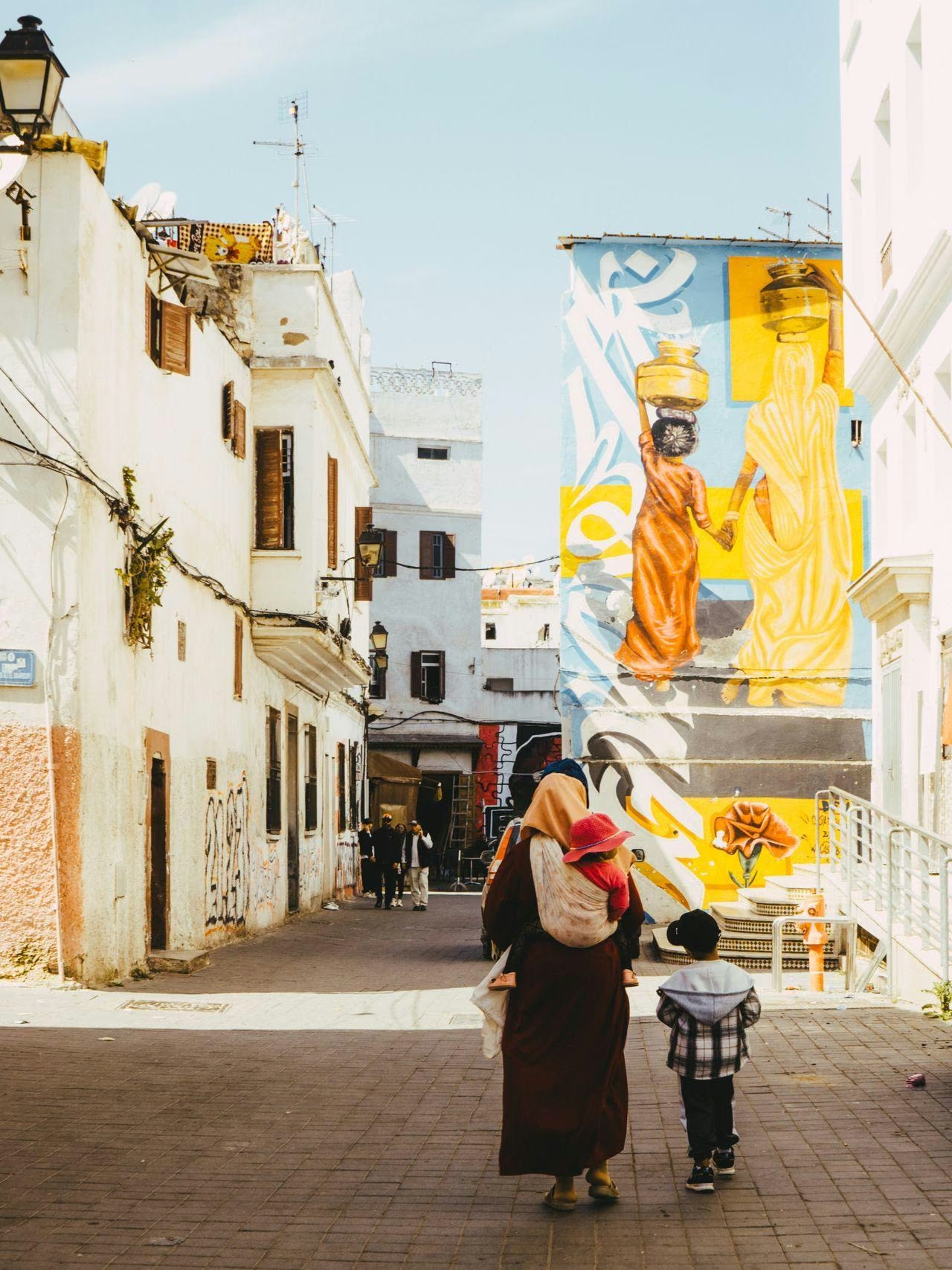
Although smaller than the medinas of Fez or Marrakech, Casablanca’s Old Medina offers a fascinating glimpse into the city’s earlier history. Spending time here is one of the best ways to experience Old Casablanca before the city expanded into its modern districts.
Visitors can wander through narrow streets lined with local shops selling spices, clothing, handmade crafts, leather goods, jewelry, and household products. The atmosphere feels more local than tourist-oriented, allowing travelers to experience everyday life in Casablanca.
Traditional bakeries, small cafés, and family-owned businesses create an authentic setting where visitors can slow down and appreciate another side of Morocco’s largest city.
The medina is also an excellent place to purchase souvenirs while supporting local artisans.
Discover the Habous Quarter
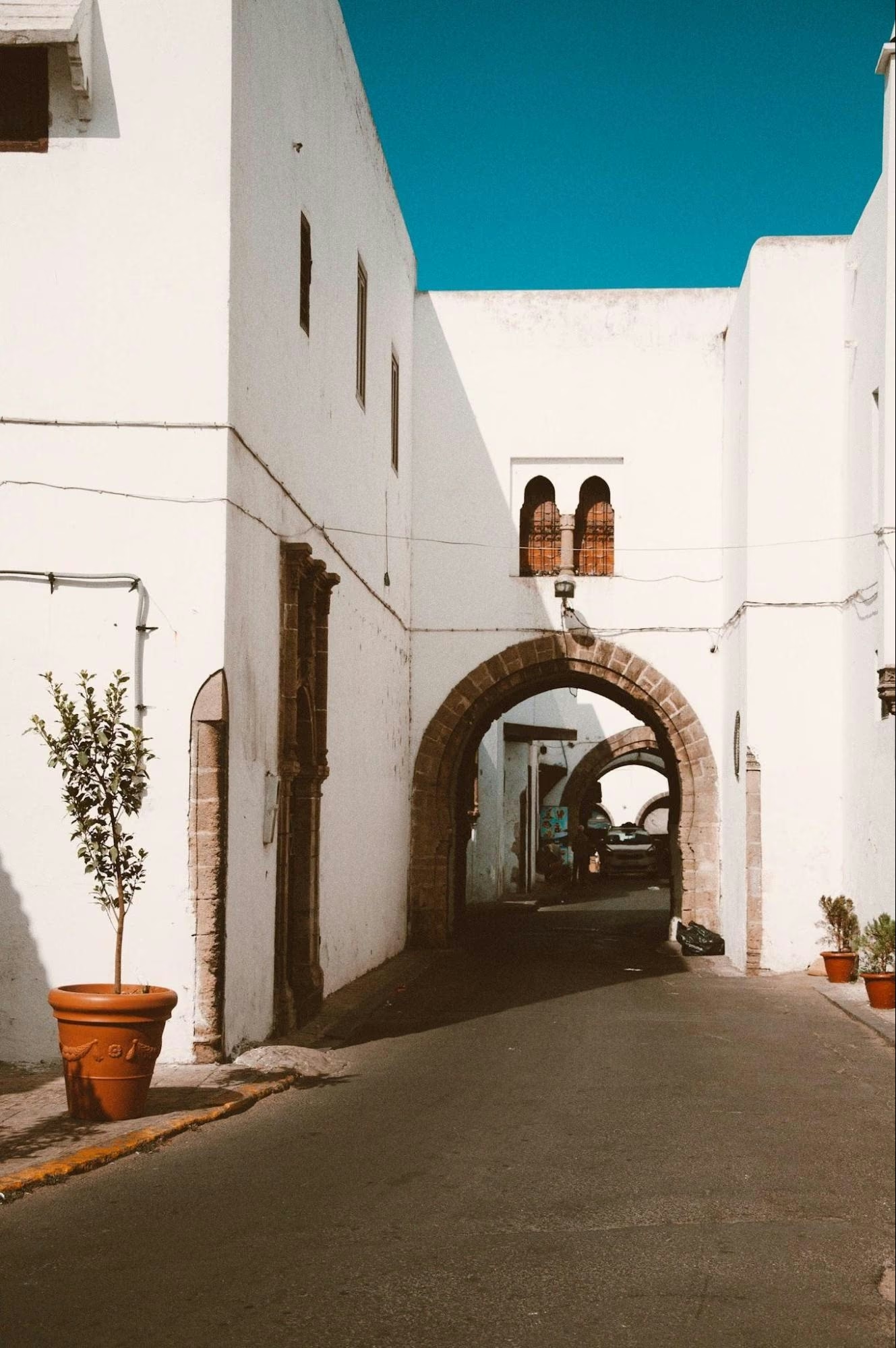
The Habous Quarter, sometimes called the New Medina, combines traditional Moroccan architecture with French urban planning.
Built during the early twentieth century, this neighborhood features attractive arcaded streets, peaceful squares, artisan shops, bookstores, bakeries, and traditional markets. Its organized layout makes it one of Casablanca’s easiest districts to explore on foot.
Visitors often come here to purchase handmade olive wood products, leather goods, ceramics, embroidered textiles, spices, and locally produced pastries.
The Habous Quarter also offers some of the city’s best opportunities to experience authentic Moroccan shopping without the crowds often found in larger medinas.
Visit Mohammed V Square
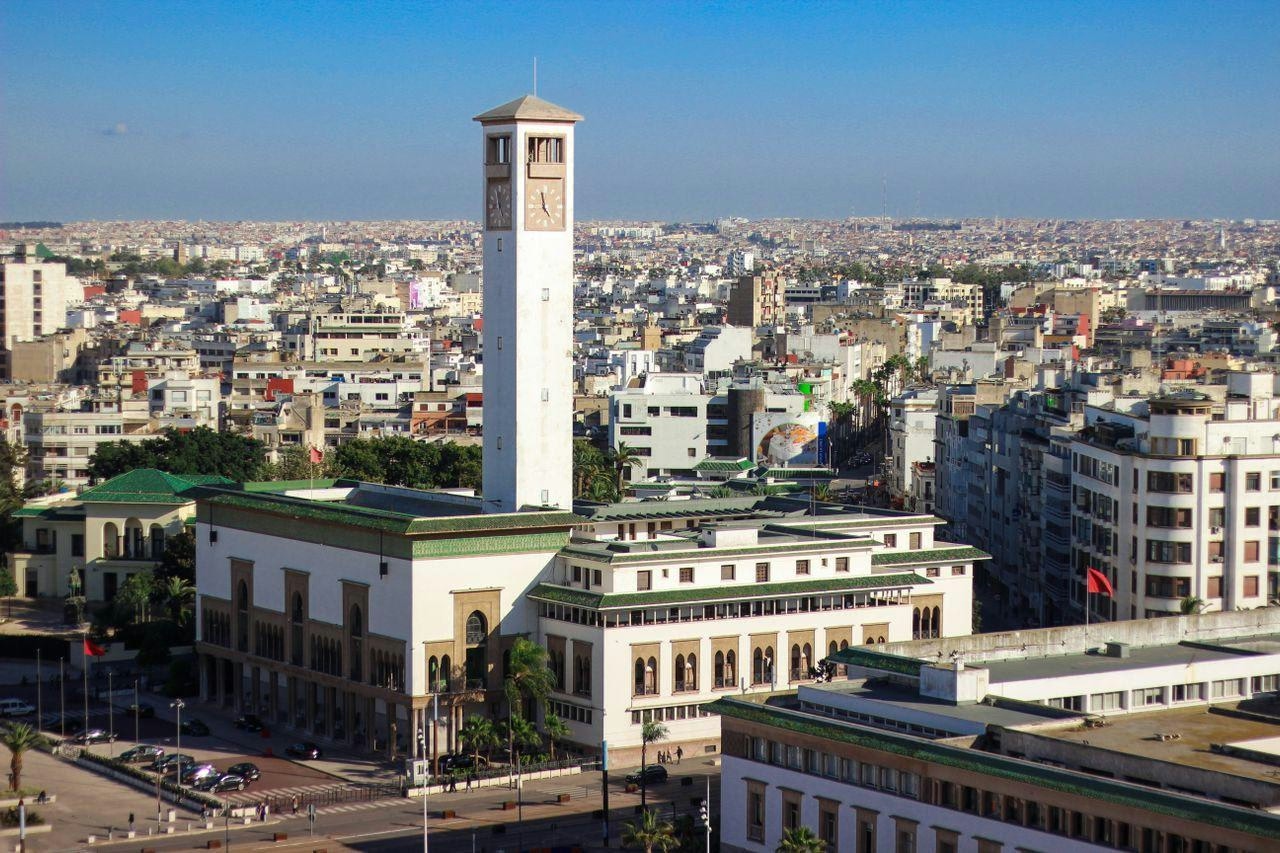
Mohammed V Square is the administrative heart of Casablanca and displays some of the city’s finest examples of French colonial architecture.
Government buildings surround the spacious square, while elegant fountains, palm trees, and well-kept gardens create a pleasant atmosphere for a leisurely stroll.
Many of Casablanca’s major boulevards begin here, making it an excellent starting point for exploring nearby neighborhoods.
During the evening, locals gather around the illuminated fountains, creating a lively but relaxed atmosphere.
Experience Casablanca’s Café Culture
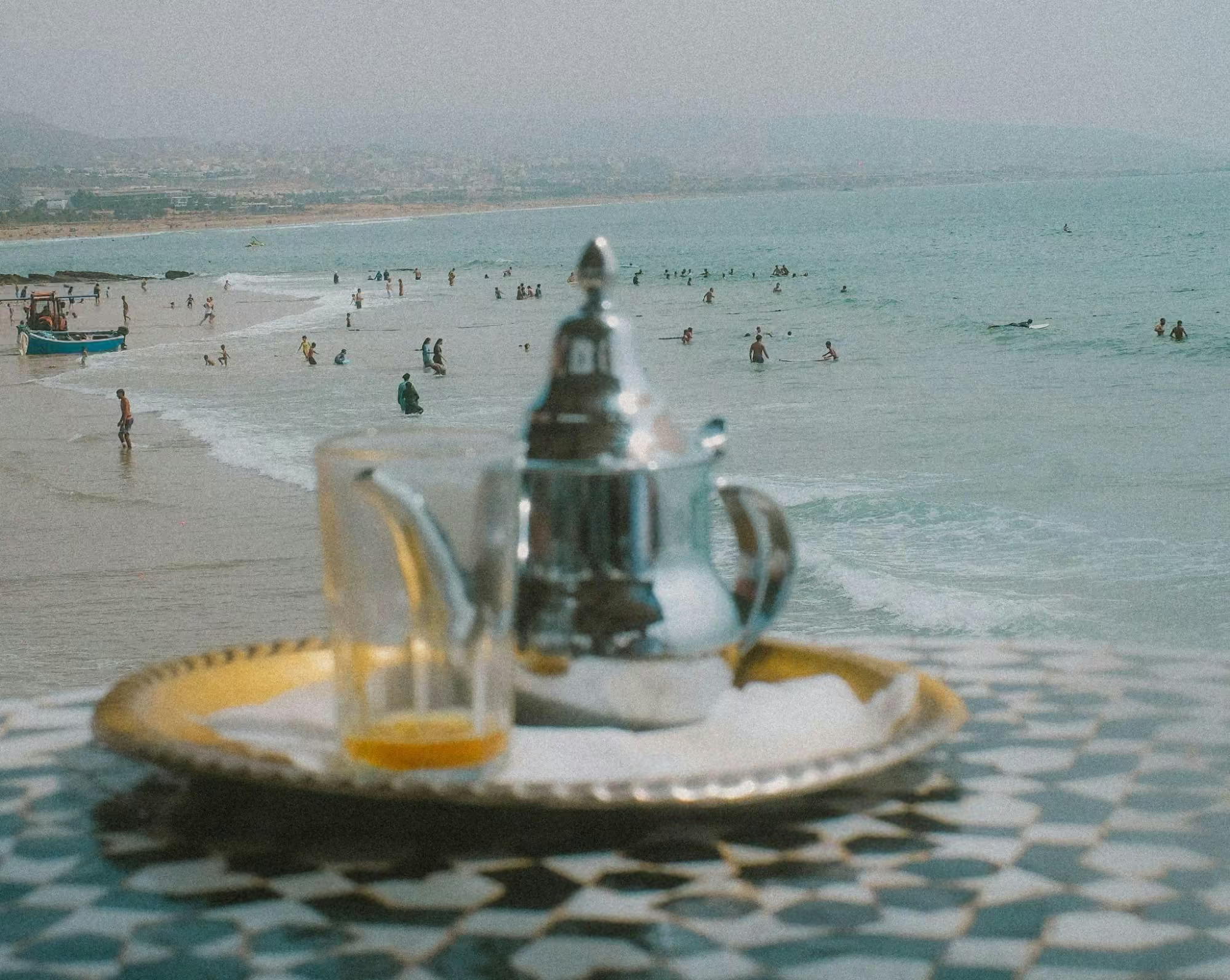
Casablanca has a lively café culture that offers travelers an easy way to slow down and experience the city’s everyday atmosphere. From traditional Moroccan cafés to modern spots along the waterfront, cafés are popular places to enjoy a drink, meet friends, or simply watch the city go by.
The Corniche offers cafés and terraces with views of the Atlantic Ocean, while neighborhoods such as the Habous Quarter and city center provide opportunities to experience a more local atmosphere. Visitors can enjoy Moroccan mint tea, coffee, fresh pastries, or light snacks while taking a break between sightseeing stops.
Casablanca’s café culture also reflects the city’s cosmopolitan character, where Moroccan traditions blend with modern influences. Rather than visiting one particular establishment, exploring different cafés throughout the city allows travelers to experience the relaxed social atmosphere that is an important part of daily life in Casablanca.
Shop at Morocco Mall
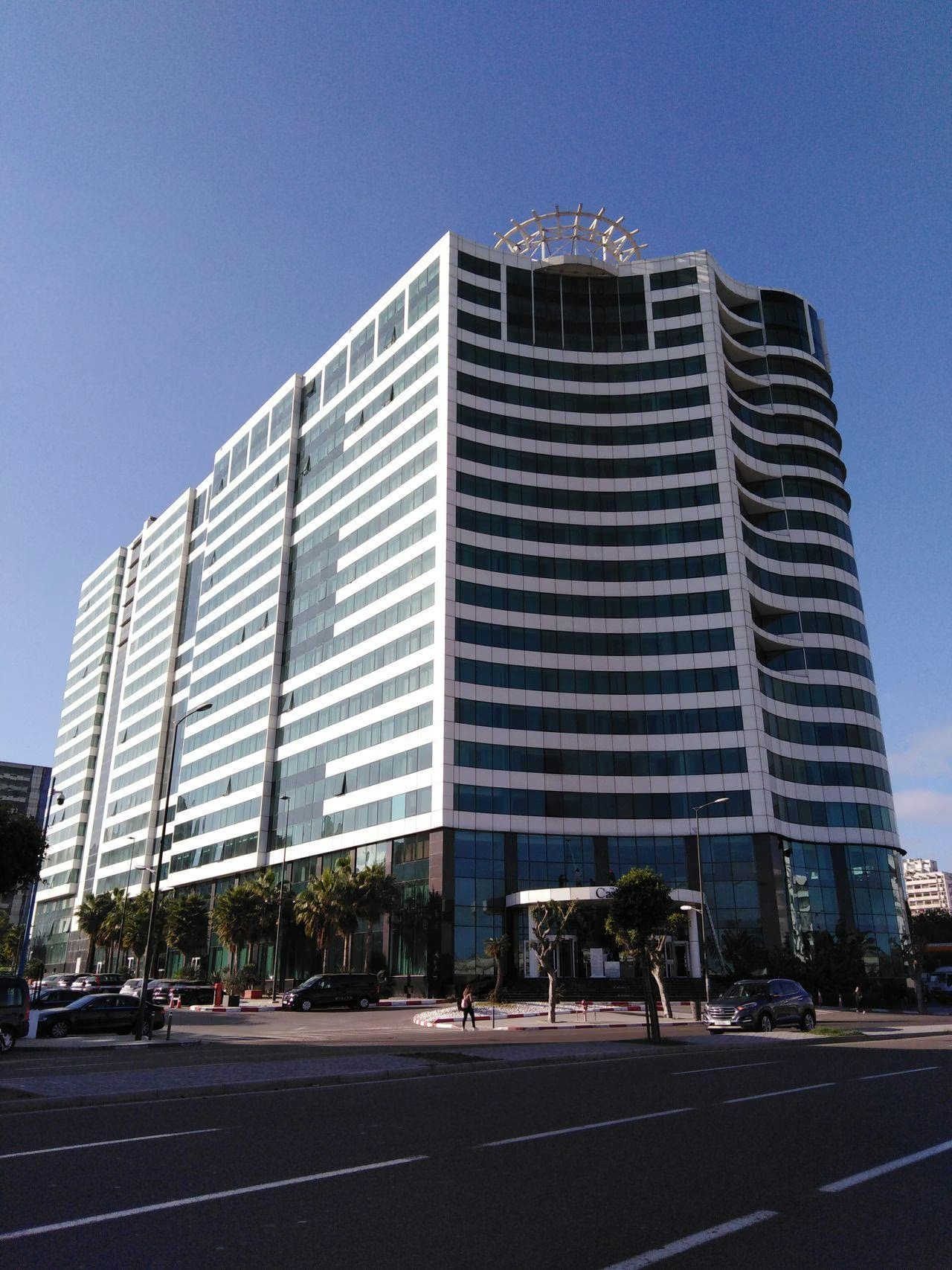
Morocco Mall is one of Africa’s largest shopping centers and offers a completely different experience from Casablanca’s traditional markets.
International fashion brands, local boutiques, restaurants, cafés, cinemas, and family entertainment make it an excellent destination for visitors looking to combine shopping with leisure activities.
One of the mall’s most distinctive features is its large aquarium, which creates an impressive centerpiece visible from several levels.
If you’re shopping or simply escaping the afternoon heat, Morocco Mall offers a comfortable modern experience.
Relax at Ain Diab Beach
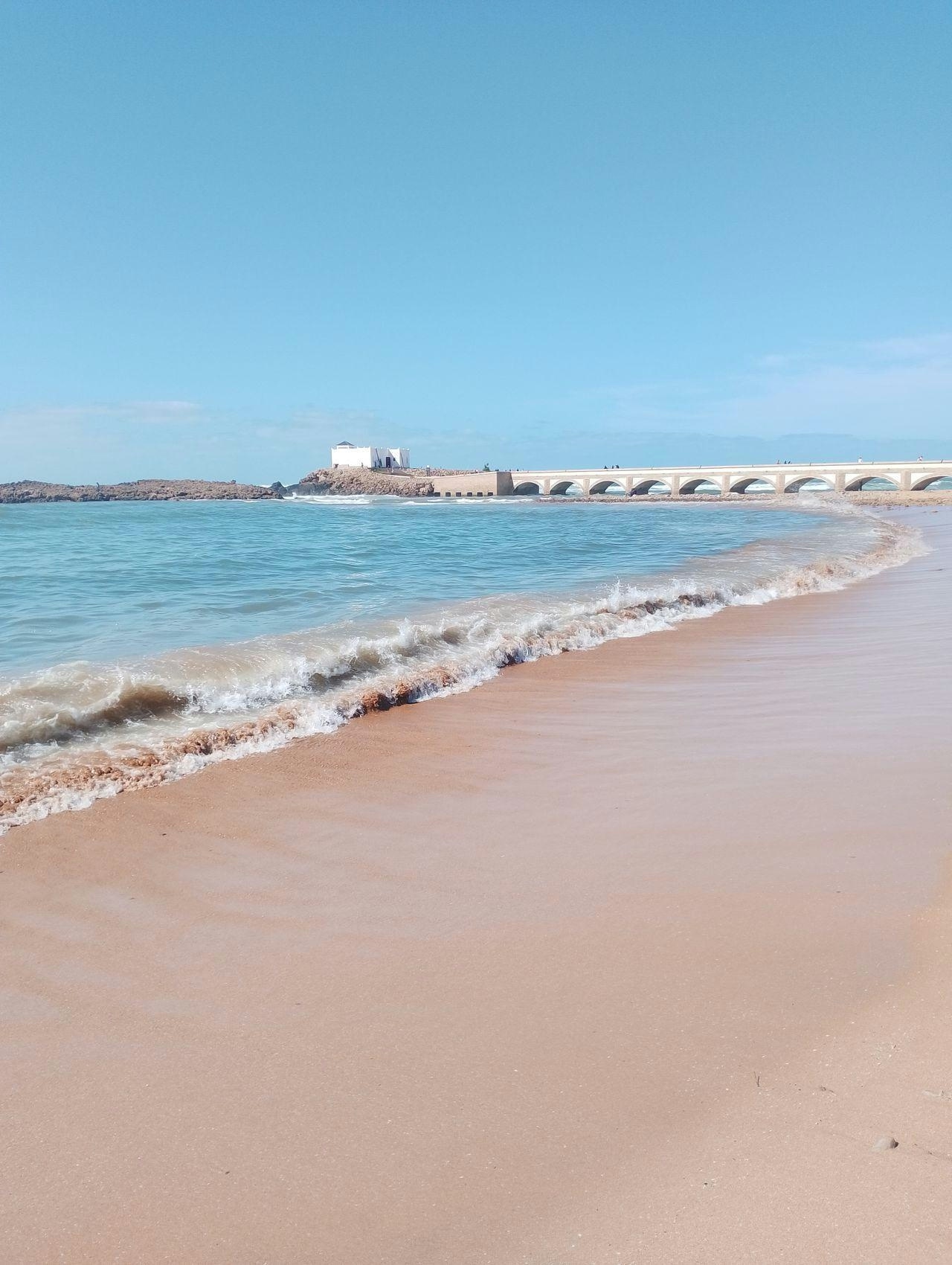
Ain Diab Beach is Casablanca’s best-known beach and a favorite destination during warmer months.
Its long stretch of coastline attracts swimmers, surfers, families, and visitors looking to relax beside the Atlantic Ocean.
Several beach clubs, cafés, and restaurants line the waterfront, creating a lively atmosphere throughout the day.
While ocean currents can occasionally be strong, the beach remains one of Casablanca’s most popular places to enjoy the coastal scenery.
Visit the Sacred Heart Cathedral
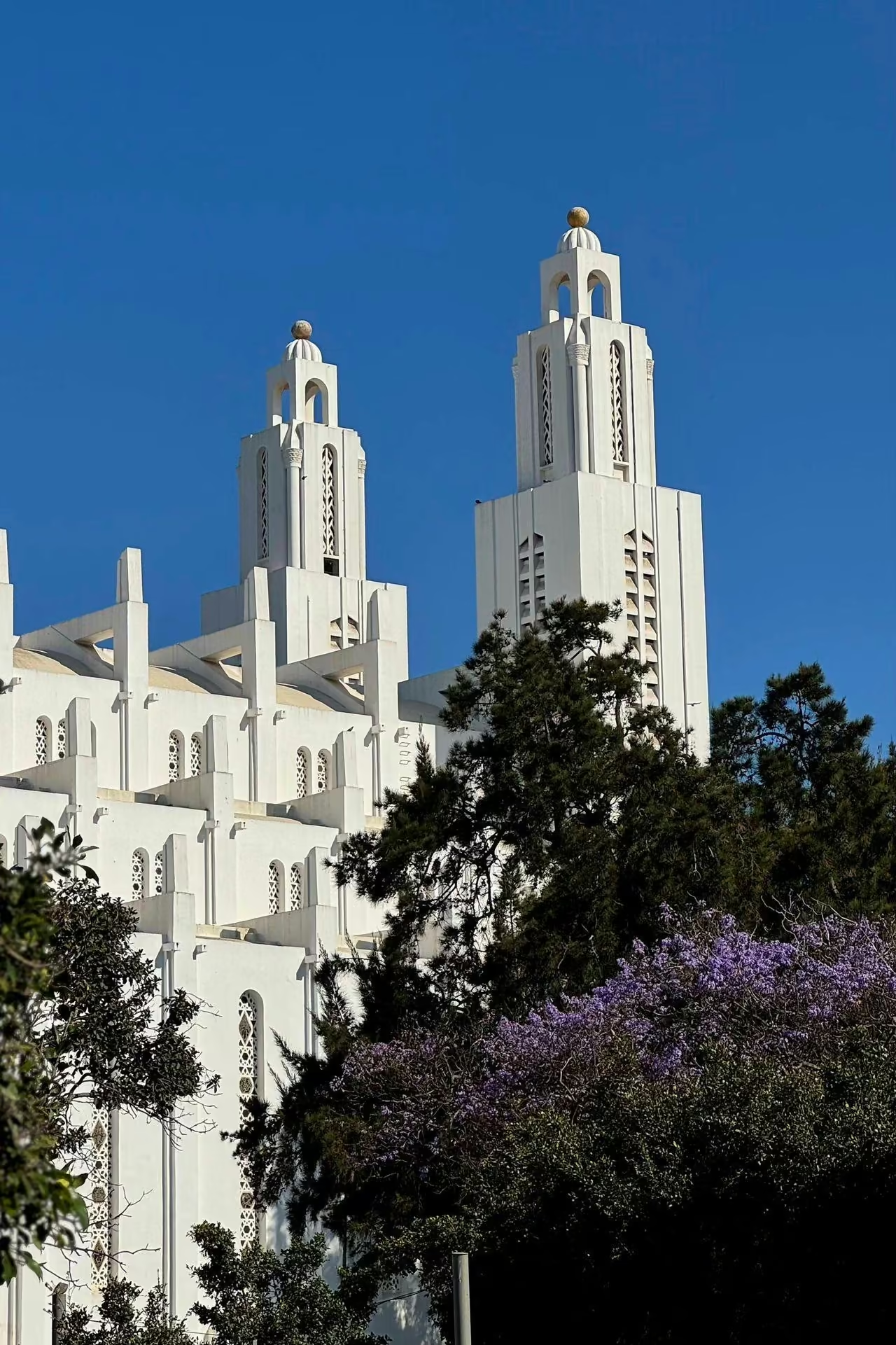
The Sacred Heart Cathedral is one of Casablanca’s most striking architectural landmarks.
Built during the French protectorate, the cathedral combines Gothic influences with Art Deco design, creating a unique structure unlike any other in Morocco.
Although it no longer functions as a church, the building hosts cultural exhibitions and special events throughout the year.
Visitors often admire its impressive stained glass windows, soaring interior spaces, and panoramic city views from the upper levels when accessible.
Relax in Arab League Park
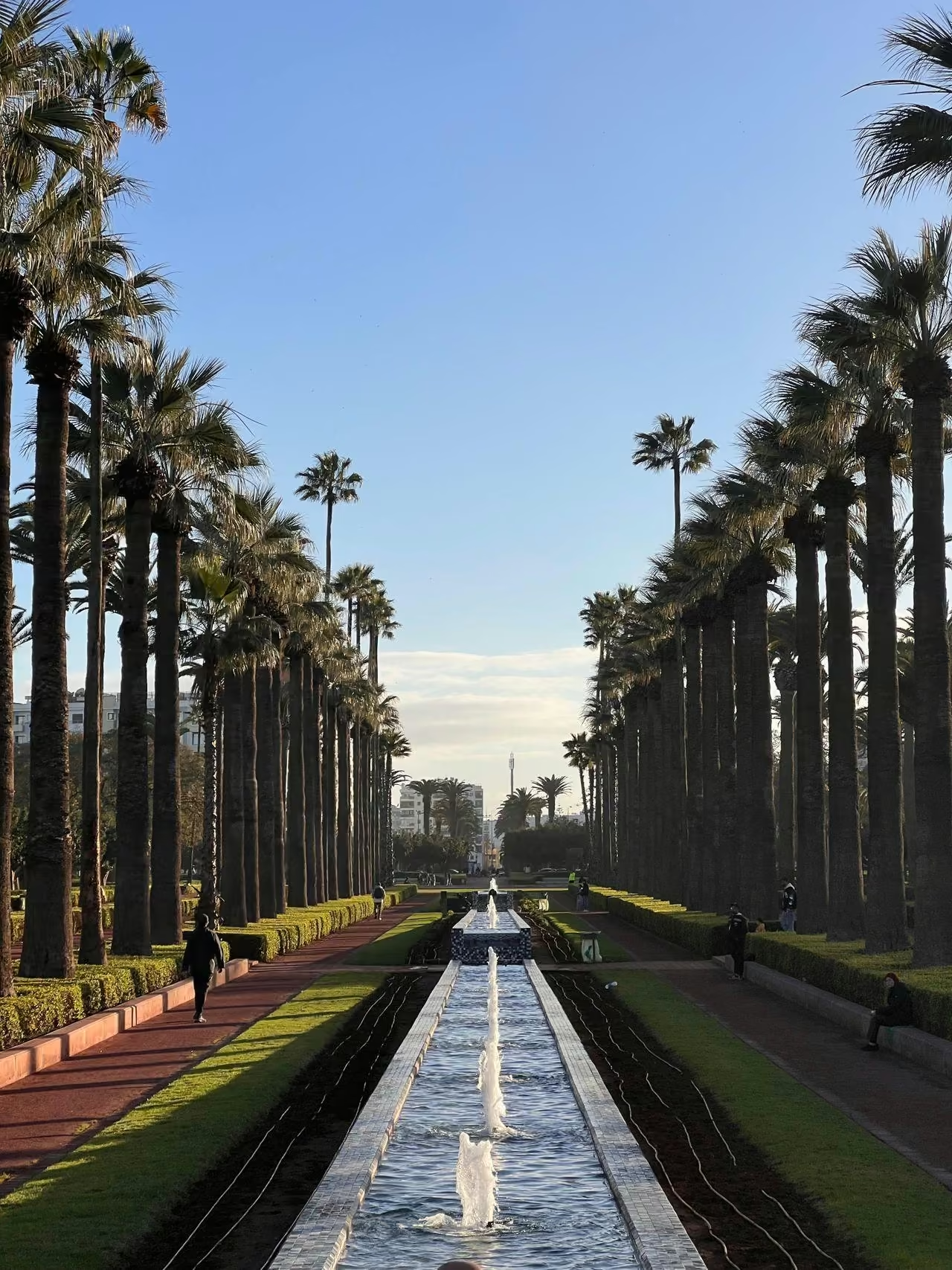
Arab League Park offers one of Casablanca’s largest green spaces and provides a welcome break from the city’s busy streets.
Palm-lined pathways, fountains, well-kept gardens, and shaded seating areas make it a favorite destination for local families, couples, and visitors.
The park underwent extensive renovation in recent years, creating attractive walking paths and open spaces that invite visitors to slow down between sightseeing stops.
Its central location also makes it easy to combine with nearby attractions such as Mohammed V Square and the Sacred Heart Cathedral.
Visit the Museum of Moroccan Judaism
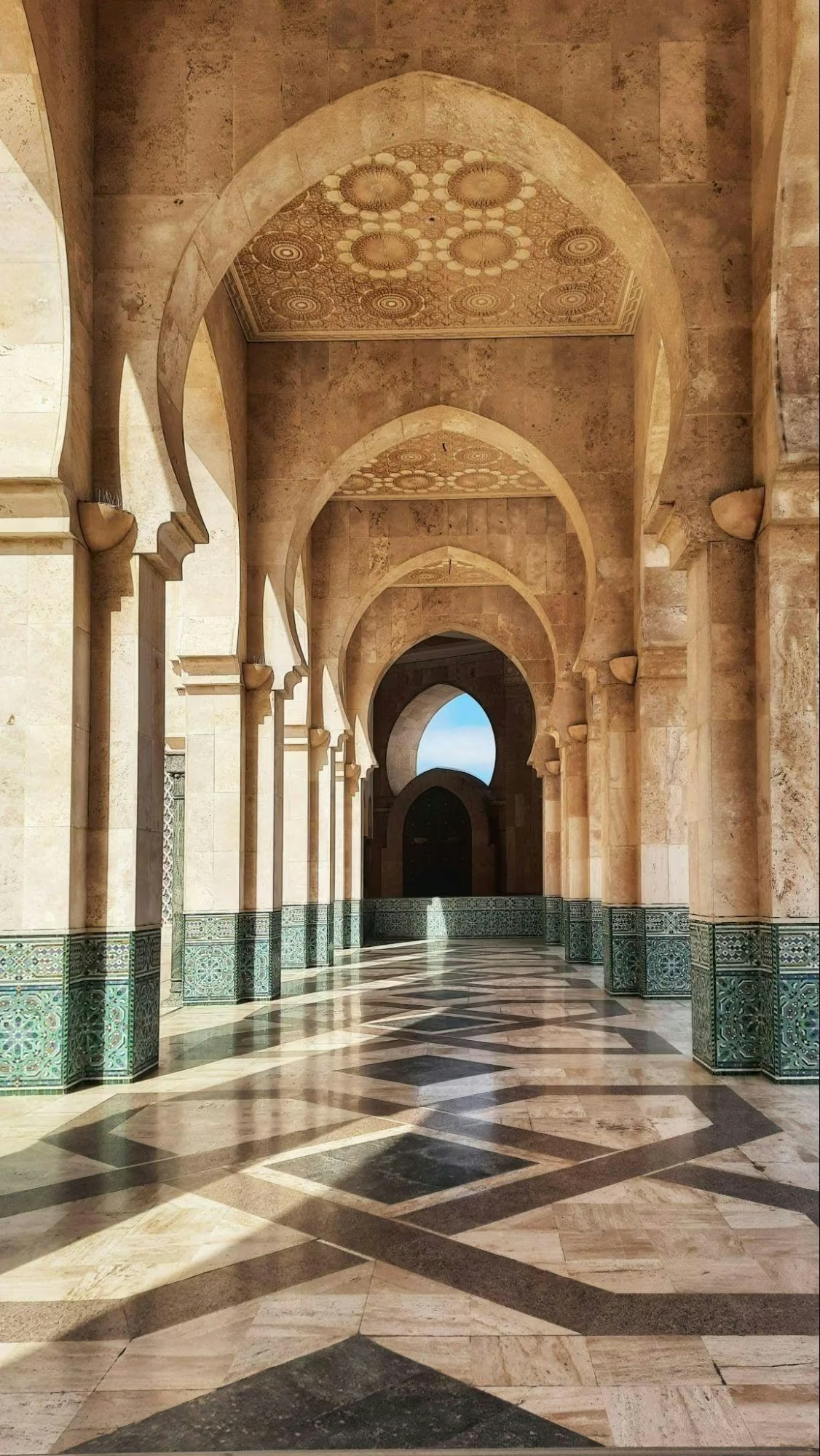
The Museum of Moroccan Judaism highlights centuries of Jewish history in Morocco. It’s the only museum of its kind in the Arab world and offers another perspective on the country’s diverse cultural heritage.
Visit the Central Market
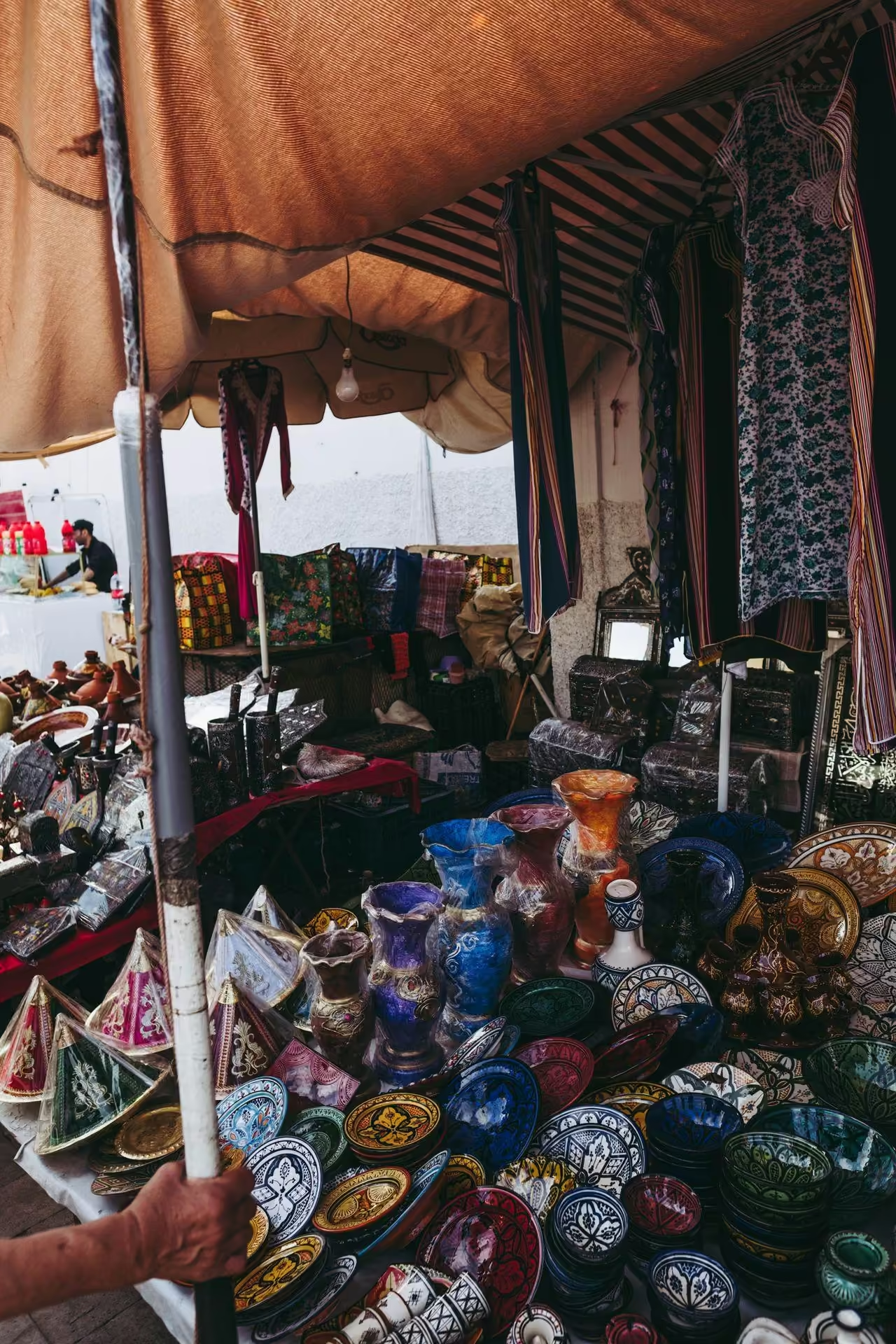
Casablanca’s Central Market offers an authentic introduction to the city’s daily life.
Fresh seafood, colorful produce, spices, flowers, olives, and local delicacies fill the market, creating a lively atmosphere throughout the morning.
Many nearby restaurants purchase seafood directly from market vendors before preparing it for lunch, giving visitors an opportunity to enjoy exceptionally fresh local cuisine.
Even travelers who aren’t shopping often enjoy walking through the market to experience the sights, sounds, and aromas that define everyday life in Casablanca.
Explore the Casablanca Marina
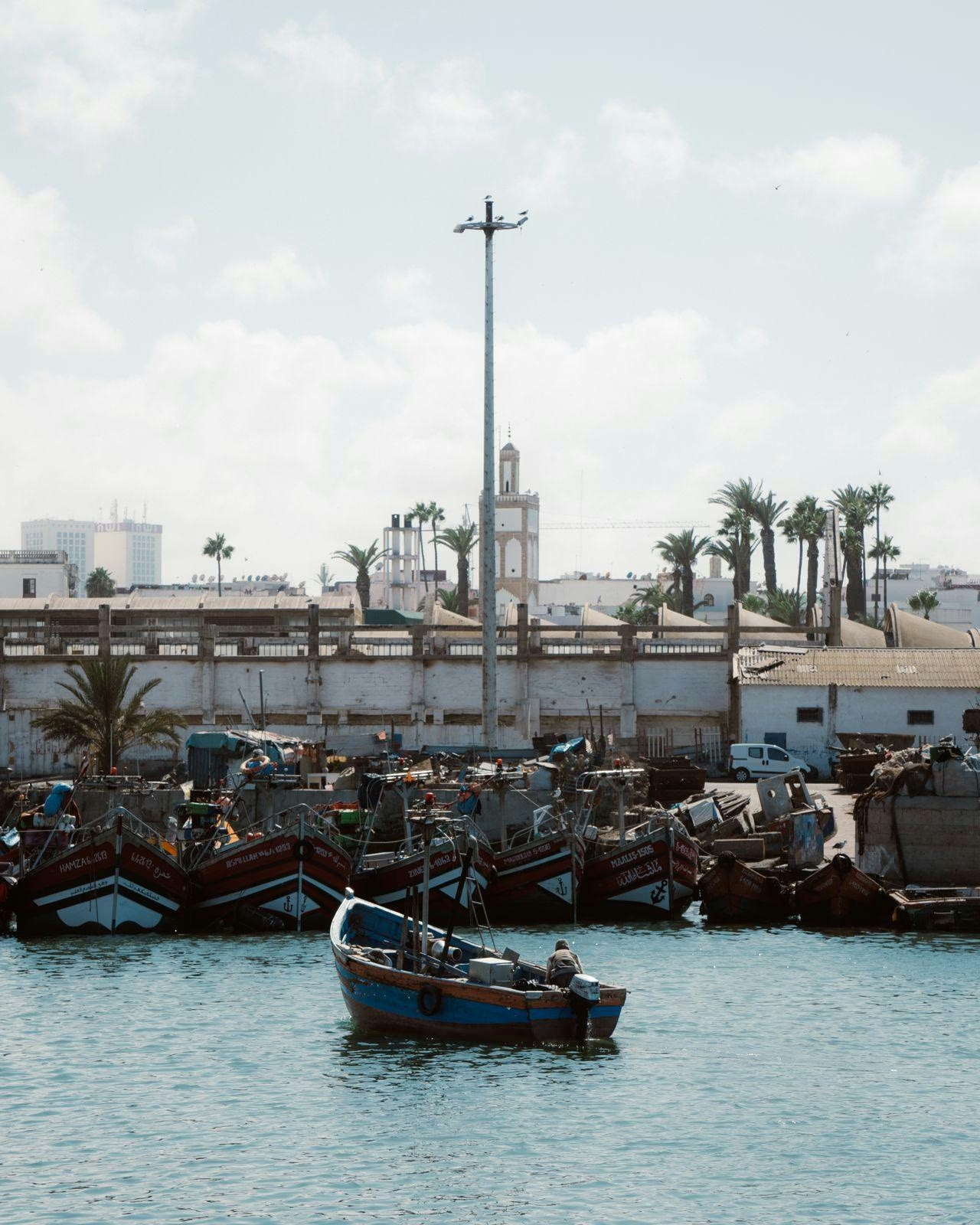
Located near the Hassan II Mosque, Casablanca Marina has become one of the city’s most attractive waterfront developments.
Modern restaurants, luxury hotels, cafés, garden walkways, and views of the Atlantic Ocean make it an enjoyable place to spend an afternoon or evening.
Visitors often combine a visit to the marina with the Hassan II Mosque before watching the sunset over the ocean.
The contrast between the historic mosque and Casablanca’s modern skyline perfectly reflects the city’s balance between tradition and contemporary development.
Best Day Trips from Casablanca
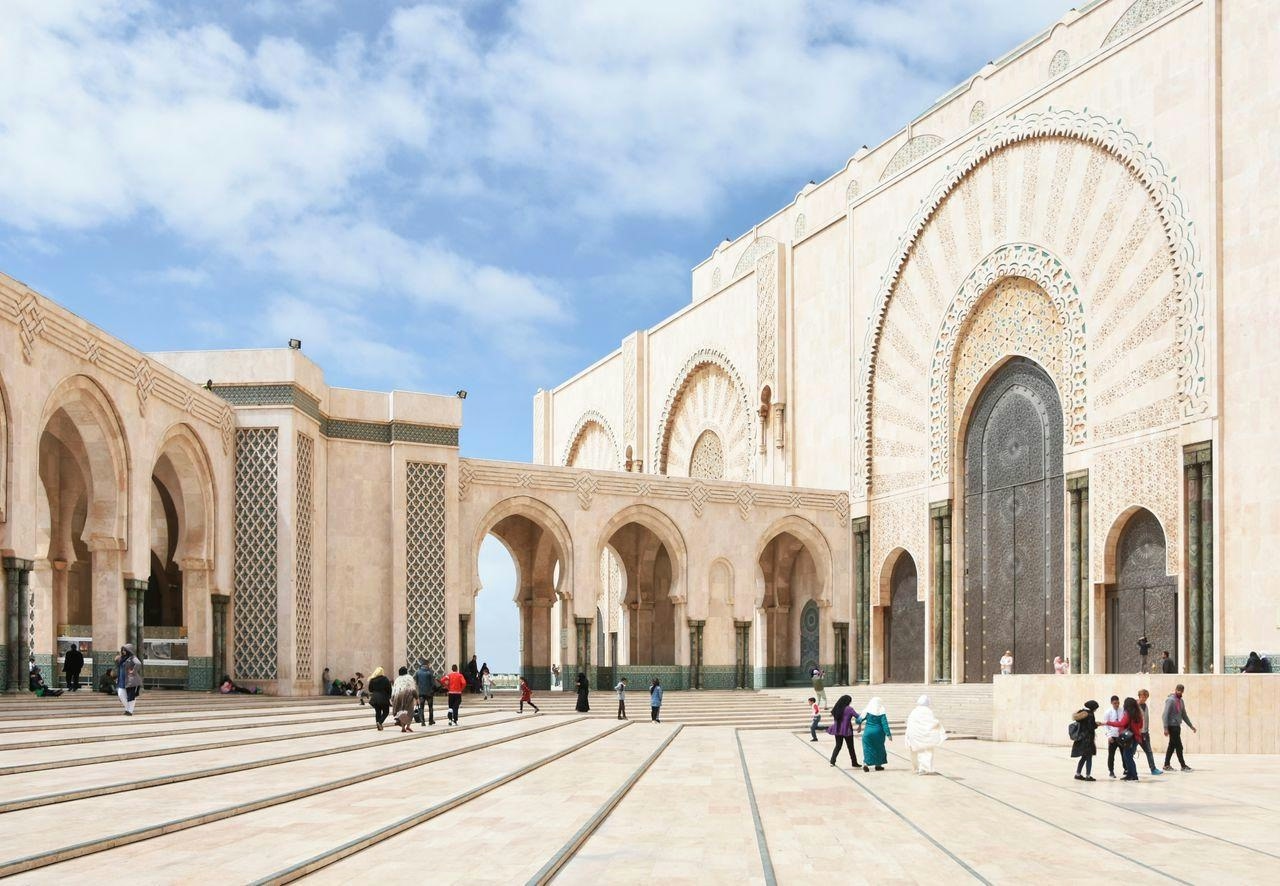
Casablanca’s central location makes it an excellent base for exploring some of Morocco’s most fascinating destinations. Within just a few hours, you can discover imperial cities, Atlantic coastal towns, historic Portuguese fortifications, and charming fishing villages. If your itinerary allows extra time, these destinations are well worth adding to your journey.
At Sun-Trails, we often include these locations in our Private & Tailor-Made Tours, allowing travelers to explore Morocco comfortably while enjoying carefully planned routes, experienced local guides, and personally selected accommodations.
Visit Rabat, Morocco’s Capital
Located only about an hour from Casablanca, Rabat is one of the easiest and most rewarding day trips.
As Morocco’s capital and one of its four imperial cities, Rabat offers a quieter atmosphere than Casablanca and is home to remarkable historical landmarks. Visitors can explore the Hassan Tower, the Mausoleum of Mohammed V, the Kasbah of the Udayas, the Andalusian Gardens, and the charming medina before relaxing along the Bou Regreg waterfront.
The excellent train connection between Casablanca and Rabat also makes this one of the most convenient excursions.
Discover El Jadida
Approximately 100 kilometers southwest of Casablanca, El Jadida is a historic coastal city known for its Portuguese heritage and relaxed seaside atmosphere.
Its UNESCO-listed Portuguese City features impressive stone walls, narrow streets, historic churches, and the famous Portuguese Cistern, where sunlight reflecting across shallow water creates one of Morocco’s most photographed interiors.
Visitors also enjoy walking along the city walls before dining at seafood restaurants overlooking the Atlantic Ocean.
Explore Azemmour
Only a short drive from El Jadida, Azemmour offers one of Morocco’s most charming small-town experiences.
Whitewashed houses, colorful murals, peaceful streets, and views of the Oum Er-Rbia River create a relaxing atmosphere that feels far removed from Casablanca’s busy city center.
Local artists have transformed many walls into open-air galleries, making Azemmour especially appealing for photographers and travelers looking to experience everyday Moroccan life.
Visit Oualidia
Oualidia is one of Morocco’s hidden coastal gems, located approximately two and a half hours south of Casablanca.
Known for its protected lagoon, oyster farms, and peaceful beaches, Oualidia attracts travelers looking for relaxation rather than busy tourist resorts.
Fresh seafood restaurants line the waterfront, while kayaking, paddleboarding, and birdwatching offer enjoyable outdoor activities throughout the year.
It’s an excellent destination for couples or anyone looking to escape the city’s faster pace.
Continue to Marrakech
Many visitors begin their Morocco adventure in Casablanca before continuing to Marrakech.
Just under three hours away by train, Marrakech introduces travelers to bustling souks, historic palaces, beautiful gardens, and lively public squares that contrast with Casablanca’s modern atmosphere.
At Sun-Trails, many of our tailor-made itineraries begin in Casablanca before continuing through Marrakech, the High Atlas Mountains, and the Sahara Desert, allowing visitors to experience Morocco’s incredible diversity.
Where to Stay in Casablanca
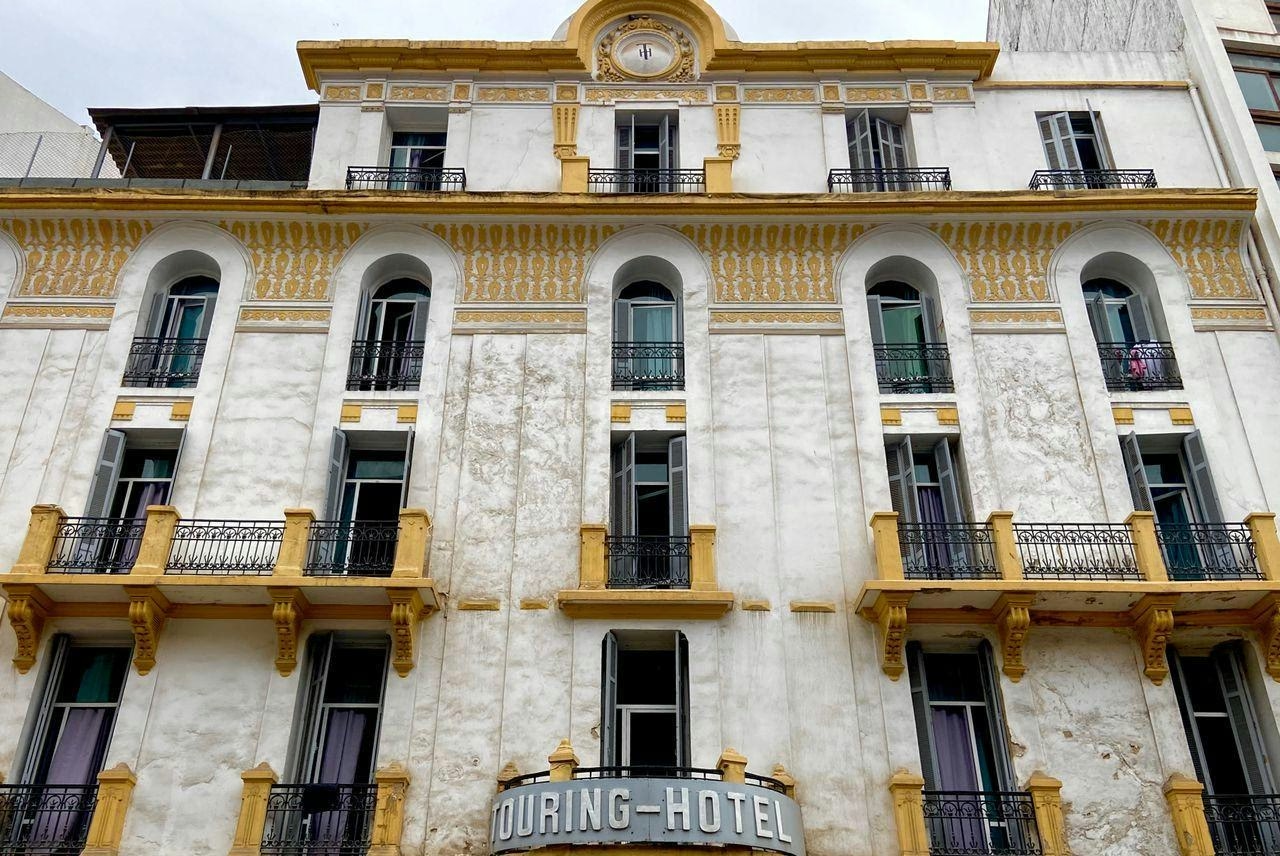
Casablanca offers accommodations for every travel style, from luxury oceanfront hotels to boutique properties and modern business hotels. Choosing the right neighborhood depends on whether you prefer being close to the beach, historic attractions, shopping districts, or nightlife.
At Sun-Trails, we carefully select and personally evaluate every accommodation we recommend, ensuring each property provides exceptional comfort, excellent service, and convenient access to the city’s main attractions.
Stay Along the Corniche
The Corniche is one of Casablanca’s most desirable neighborhoods for visitors.
Luxury hotels overlooking the Atlantic Ocean provide direct access to beaches, restaurants, cafés, and the waterfront promenade. Couples and families especially appreciate the relaxed atmosphere and spectacular ocean views.
Staying here also places you close to Ain Diab Beach and several of the city’s finest seafood restaurants.
Stay in the City Center
The city center is ideal for travelers interested in sightseeing, shopping, and convenient transportation. Many visitors choose hotels in Downtown Casablanca because they’re close to tram stops, restaurants, and major attractions.
Many of Casablanca’s major attractions, including Mohammed V Square, the Central Market, and Art Deco buildings, are located nearby. Hotels range from comfortable boutique properties to international luxury brands.
This neighborhood also provides easy access to tram lines, taxis, and train stations for travelers continuing their journey through Morocco.
Stay in the Habous Quarter
Visitors looking for a quieter atmosphere often enjoy accommodations near the Habous Quarter.
This neighborhood combines traditional Moroccan architecture with modern conveniences while offering easy access to artisan shops, local bakeries, cafés, and traditional markets.
Its relaxed environment makes it particularly appealing for travelers who want to experience local life beyond Casablanca’s commercial districts.
Luxury Hotels and Boutique Properties
Casablanca offers an excellent selection of luxury accommodations overlooking the Atlantic coastline.
Many five-star hotels feature rooftop pools, fine dining restaurants, wellness spas, and elegant rooms with panoramic ocean views.
At Sun-Trails, we personally recommend accommodations that combine authentic Moroccan hospitality with modern comfort, ensuring every stay complements your overall Morocco experience.
Traditional Moroccan Food to Try in Casablanca
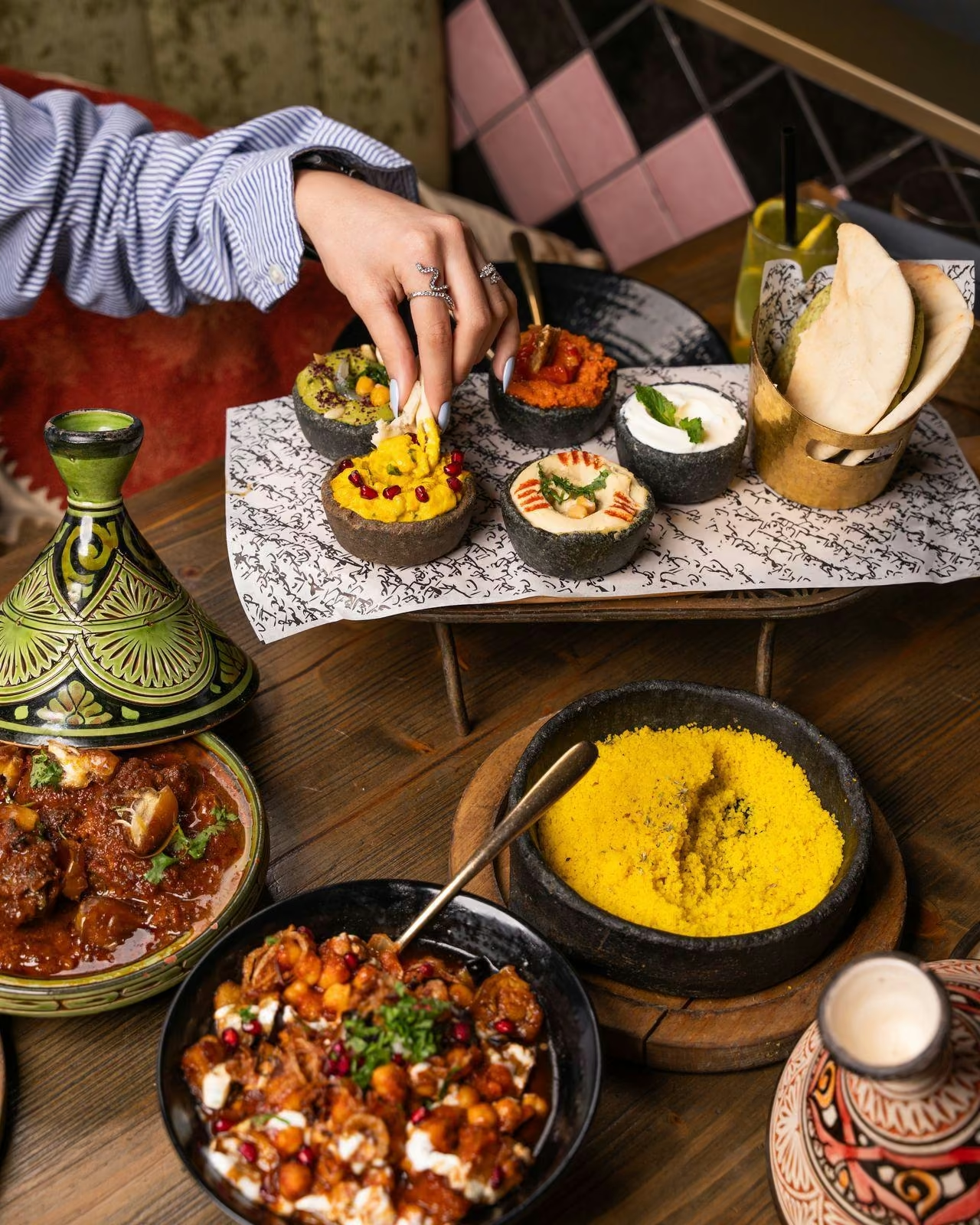
Casablanca’s culinary scene reflects the city’s role as Morocco’s commercial and cultural crossroads. Traditional Moroccan flavors blend naturally with international influences, creating one of the country’s most diverse dining experiences.
Fresh seafood is one of Casablanca’s greatest specialties. Daily catches from the Atlantic Ocean include sea bass, sardines, shrimp, squid, oysters, and lobster, prepared using traditional Moroccan herbs and spices.
Tagine remains one of Morocco’s signature dishes and is widely available throughout the city. Restaurants prepare it with lamb, chicken, vegetables, preserved lemons, olives, or dried fruits, and each version reflects the chef’s own style.
Visitors should also sample couscous, traditionally served on Fridays, along with pastilla, a delicate pastry combining savory meat, almonds, cinnamon, and crisp layers of pastry.
Street food enthusiasts often enjoy maakouda, grilled brochettes, fresh msemen, and local pastries found throughout Casablanca’s markets and cafés.
No visit is complete without enjoying traditional Moroccan mint tea accompanied by almond cookies or honey pastries while relaxing in one of the city’s cafés.
If you’re wondering where to eat in Casablanca, the Corniche, Habous Quarter, and city center offer excellent choices ranging from family-owned Moroccan restaurants to elegant fine dining establishments.
Getting Around Casablanca
Casablanca is one of Morocco’s easiest cities to navigate thanks to its modern transportation network and organized street layout.
The Casablanca Tramway connects many of the city’s main neighborhoods, including the city center, Mohammed V Square, the Habous Quarter, and several residential districts. Clean, affordable, and reliable, it’s one of the most convenient ways to travel around the city.
Petit Taxis are widely available and provide an inexpensive option for shorter journeys between attractions, hotels, restaurants, and shopping districts.
Ride-hailing services such as Careem and InDrive are also available in Casablanca, giving travelers another convenient transportation option.
Visitors arriving by train will usually pass through Casablanca Voyageurs Station, Morocco’s busiest railway hub. The ONCF rail network provides regular connections to Rabat, Tangier, Fez, Marrakech, Meknes, and other major destinations.
Travelers planning a longer road trip across Morocco may prefer renting a car. However, because Casablanca experiences heavier traffic than many Moroccan cities, many visitors choose private transfers or professional drivers instead.
If you’re continuing beyond Casablanca, private transportation allows you to travel comfortably while stopping at attractions such as Rabat, El Jadida, Oualidia, or Marrakech along the way.
Many of Casablanca’s central attractions are also easily explored on foot, particularly around Mohammed V Square, the Old Medina, and the waterfront promenade, making leisurely walks an enjoyable way to experience the city’s atmosphere.
Suggested Casablanca Morocco Travel Guide Itinerary
If you’re visiting Casablanca for a single day or beginning a longer journey across Morocco, planning your itinerary in advance allows you to experience both the city’s famous landmarks and its lesser-known neighborhoods. Here are a few itinerary ideas to help you organize your visit.
One-Day Casablanca Morocco Travel Guide Itinerary
If you only have one day in Casablanca, begin your morning with a guided visit to the Hassan II Mosque, one of Morocco’s most remarkable architectural landmarks. Continue to the Casablanca Marina, where you can enjoy panoramic views of the Atlantic Ocean before taking a leisurely walk along the Corniche.
After lunch, explore the Habous Quarter, browsing artisan shops, traditional bakeries, and local markets. Continue to Mohammed V Square and the nearby Sacred Heart Cathedral before ending your day with dinner overlooking the Atlantic or at the famous Rick’s Café.
Two-Day Casablanca Morocco Travel Guide Itinerary
With two days available, you’ll have time to experience Casablanca at a more relaxed pace.
Spend your first day visiting the Hassan II Mosque, Casablanca Marina, the Corniche, and Ain Diab Beach before enjoying fresh seafood at one of the waterfront restaurants.
On your second day, explore the Old Medina, the Habous Quarter, Mohammed V Square, the Central Market, and Morocco Mall. Finish your evening with a relaxing walk through Arab League Park before sampling traditional Moroccan cuisine.
Three-Day Casablanca Morocco Travel Guide Itinerary
Three days allows you to discover Casablanca while exploring nearby destinations.
Dedicate your first two days to Casablanca’s main attractions, neighborhoods, museums, and waterfront.
On your third day, consider taking a day trip to Rabat, El Jadida, or Oualidia, each offering a completely different perspective on Morocco’s history and Atlantic coastline.
Many travelers also continue toward Marrakech, Chefchaouen, Fez, or the Sahara Desert as part of a longer Morocco itinerary. At Sun-Trails, we frequently customize these routes through our private Morocco tours, allowing travelers to explore the country comfortably while enjoying authentic local experiences and personally selected accommodations.
Travel Tips for Visiting Casablanca
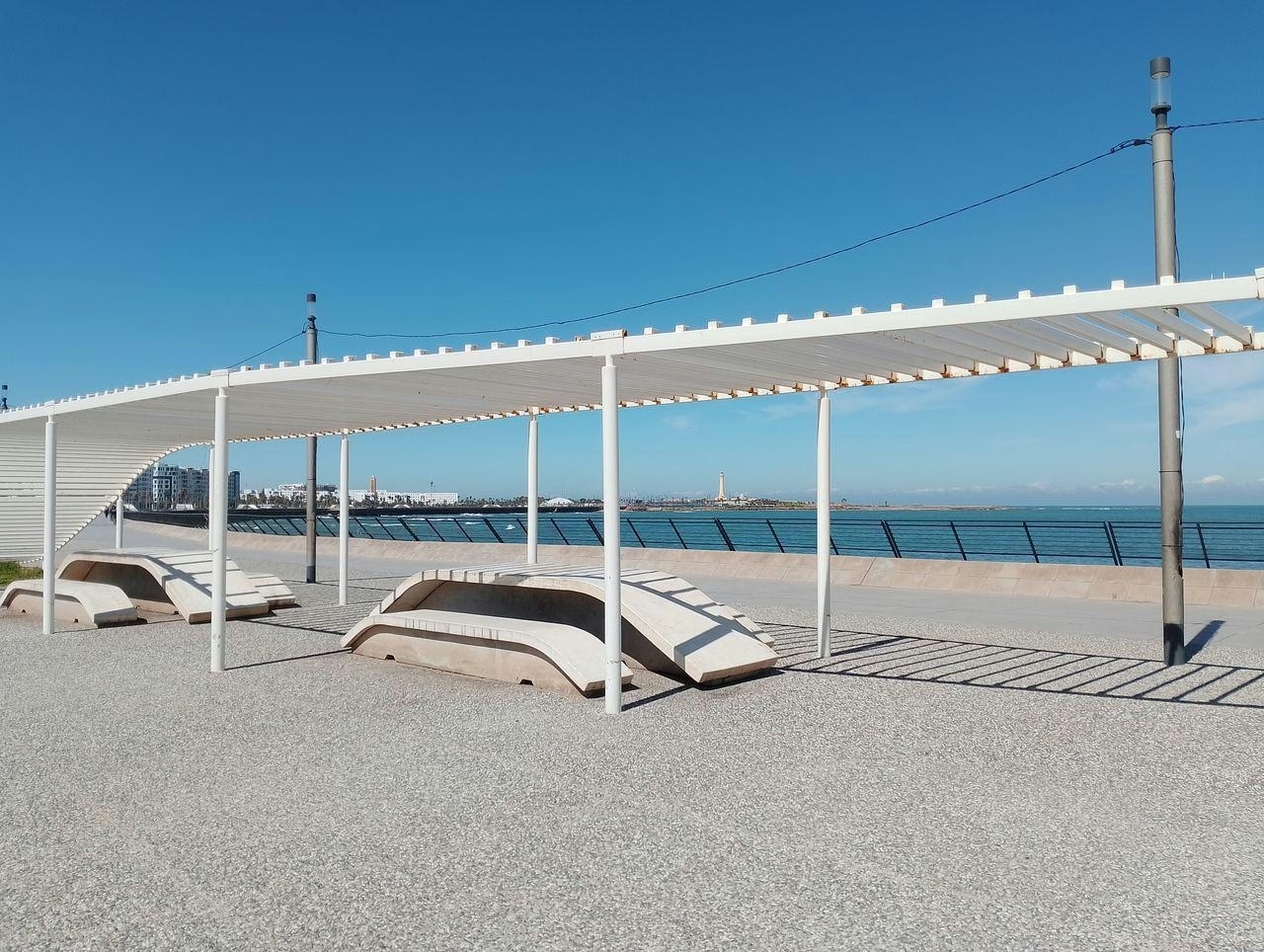
Casablanca is one of Morocco’s most modern and accessible cities, making it an excellent destination for first-time visitors. A little preparation before your trip will help you enjoy the city comfortably while making the most of your time.
Currency
Morocco uses the Moroccan Dirham (MAD). Credit cards are widely accepted at hotels, shopping centers, and many restaurants, although carrying some cash is useful when visiting traditional markets, smaller cafés, or local shops.
ATMs are available throughout the city, particularly near shopping districts and transportation hubs.
Language
Arabic and Amazigh are Morocco’s official languages, while French is commonly spoken throughout Casablanca.
English is increasingly used in hotels, restaurants, and tourist attractions, especially in areas frequently visited by international travelers.
Learning a few local expressions such as Salam (hello), Shukran (thank you), and La shukran (no, thank you) is always appreciated. Many Moroccans appreciate visitors who make an effort to greet people in Arabic or French.
Safety
Casablanca is generally considered a safe destination for tourists. As with any large city, it’s advisable to remain aware of your surroundings, particularly in crowded areas and public transportation stations.
Using licensed Petit Taxis, Careem, InDrive, or transportation arranged through your hotel or tour operator provides additional convenience and peace of mind.
Keeping valuables secure and avoiding isolated areas late at night are sensible precautions that help ensure a comfortable visit.
Dress Code
Casablanca has one of Morocco’s most cosmopolitan atmospheres, and visitors often notice a wide variety of clothing styles throughout the city.
Casual attire is acceptable in most neighborhoods, especially along the Corniche and in modern shopping districts. When visiting religious sites such as the Hassan II Mosque or traditional neighborhoods, modest clothing is recommended as a sign of respect for local customs.
Comfortable walking shoes are also useful since many attractions are best explored on foot.
Tipping
Tipping is customary throughout Morocco. Leaving a small gratuity for restaurant staff, hotel employees, drivers, and local guides is appreciated when you receive good service.
Many cafés and restaurants include service in the bill, although rounding up or leaving a small additional tip remains common practice.
Travel Insurance
Purchasing travel insurance before your trip provides valuable protection against unexpected medical emergencies, flight delays, cancellations, or lost luggage.
It’s especially worthwhile if Casablanca is only one stop on a longer Morocco itinerary.
Connectivity
Most hotels, restaurants, cafés, and shopping centers provide free Wi-Fi.
Travelers who need reliable mobile internet throughout their journey can purchase a local SIM card at Mohammed V International Airport or at mobile service providers located throughout Casablanca.
Booking Advice
Casablanca remains busy throughout the year because of both tourism and business travel.
If you’re planning to visit during spring, summer, or major holidays, reserving accommodations and private tours four to five months in advance offers the best selection of hotels and greater flexibility when planning your itinerary.
Extend Your Journey Beyond Casablanca
Casablanca is often the starting point for unforgettable journeys across Morocco. Thanks to its central location and outstanding transportation connections, travelers can easily continue toward the country’s imperial cities, Atlantic coastline, mountain villages, and the Sahara Desert.
Many visitors travel first to Rabat, where historic monuments and coastal scenery provide a quieter contrast to Casablanca’s modern atmosphere. Others continue toward Fez, Chefchaouen, or Marrakech, each offering its own distinctive history, architecture, and local traditions.
For travelers interested in nature, the High Atlas Mountains and the Sahara Desert reveal another side of Morocco through dramatic scenery, remote villages, and unforgettable desert experiences.
At Sun-Trails, our Private & Tailor-Made Tours connect Casablanca with Morocco’s most remarkable destinations through flexible itineraries designed around your interests, travel dates, and preferred pace. Every journey includes carefully selected accommodations, experienced local guides, and authentic experiences that allow you to discover Morocco beyond the usual tourist routes.
Frequently Asked Questions
Why should you use a Casablanca Morocco Travel Guide before visiting?
A Casablanca Morocco Travel Guide helps you organize your itinerary, choose the best neighborhoods to stay in, understand transportation options, and discover attractions beyond the city’s most famous landmarks before you arrive.
How many days should I spend in Casablanca?
Two to three days is ideal for visiting Casablanca’s major attractions while allowing time for nearby day trips to Rabat or El Jadida. Travelers beginning a longer Morocco itinerary often spend one or two nights before continuing to other destinations.
Is Casablanca worth visiting?
Absolutely. Casablanca offers a unique combination of modern Morocco, impressive architecture, Atlantic Ocean scenery, excellent dining, and one of the world’s largest mosques. It provides a completely different experience from Morocco’s imperial cities and is an excellent introduction to the country.
Can you visit the Hassan II Mosque?
Yes. The Hassan II Mosque is one of the few mosques in Morocco that welcomes non-Muslim visitors through guided tours held at scheduled times throughout the day.
Is Casablanca better than Marrakech?
Both cities offer different experiences. Casablanca is Morocco’s commercial capital, known for its modern atmosphere, oceanfront setting, and impressive architecture. Marrakech is famous for its historic medina, lively souks, gardens, and traditional riads.
Many travelers choose to visit both cities during the same Morocco itinerary.
What food should I try in Casablanca?
Visitors should sample fresh Atlantic seafood, tagine, couscous, pastilla, grilled brochettes, Moroccan pastries, and traditional Moroccan mint tea served in the city’s cafés and restaurants.
Is Casablanca safe for tourists?
Yes. Casablanca is generally considered safe for visitors, including families, couples, and solo travelers. Basic travel precautions, such as remaining aware of your surroundings and using licensed transportation, are usually sufficient.
What is the best time to visit Casablanca?
Spring and autumn are generally considered the best seasons thanks to their comfortable temperatures and ideal sightseeing conditions. However, Casablanca’s Atlantic climate makes it an enjoyable destination throughout the year.
Plan Your Trip Beyond Casablanca with Sun Trails
Casablanca offers an exciting introduction to Morocco, combining remarkable architecture, Atlantic Ocean views, lively neighborhoods, and modern city life with the country’s rich cultural heritage. From the impressive Hassan II Mosque and historic Habous Quarter to lively waterfront promenades and traditional markets, every visit reveals another side of Morocco’s largest city.
This Casablanca Morocco Travel Guide is designed to help you plan your visit with confidence, from spending a weekend exploring the city to beginning a longer journey across the country.
Many travelers continue from Casablanca to destinations such as Rabat, Fez, Chefchaouen, Marrakech, or the Sahara Desert. A private itinerary allows you to travel comfortably while experiencing Morocco’s incredible diversity at your own pace.
At Sun-Trails, our local team has been welcoming travelers since 2009. Every itinerary is thoughtfully designed around your interests, travel dates, and preferred travel style, combining experienced local guides, personally selected accommodations, and authentic experiences that go beyond the typical tourist route.
Tell us your travel dates, group size, and the experience you imagine. A Sun-Trails specialist will respond within 24 hours with a personalized itinerary designed exclusively for you.