
Rabat Morocco Travel Guide: Best Things to Do in Rabat & Travel Tips
Planning a trip to Morocco’s capital? This Rabat Morocco Travel Guide covers everything you need to know before your visit, from the city’s historic landmarks and coastal neighborhoods to practical travel tips, local cuisine, and suggested itineraries. Whether you’re visiting for a day or including Rabat as part of a longer journey across Morocco, this guide will help you make the most of your time.
Unlike the busy streets of Marrakech or the fast pace of Casablanca, Rabat offers a more relaxed atmosphere and is still home to some of Morocco’s most important historical and cultural landmarks. As the capital city of Morocco and one of its four imperial cities, Rabat combines centuries of history with modern neighborhoods, oceanfront promenades, and a welcoming local culture.
This Rabat Morocco Travel Guide is designed to help you plan every stage of your visit. From choosing the best season to travel to discovering hidden corners beyond the main attractions, you’ll find practical advice based on the experiences travelers value most. Whether you’re visiting Morocco for the first time or returning to explore another region, Rabat deserves a place on your itinerary. This guide to Rabat will help you plan every stage of your visit with confidence.
How This Rabat Morocco Travel Guide Helps You Plan Your Trip
Rabat offers a different side of Morocco. While many visitors head directly to Marrakech, Fes, or the Sahara Desert, Morocco’s capital provides a quieter experience filled with history, architecture, gardens, and Atlantic Ocean views.
This Rabat Morocco Travel Guide answers the most common questions travelers have before arriving. You’ll learn when to visit, which attractions deserve your time, how to get around the city, where to stay, what local dishes to try, and how to include Rabat in a broader Morocco itinerary.
Whether you’re spending one day or several days in the city, planning ahead allows you to experience Rabat at a comfortable pace while discovering both its famous landmarks and its less crowded neighborhoods.
Why Visit Rabat, Morocco?
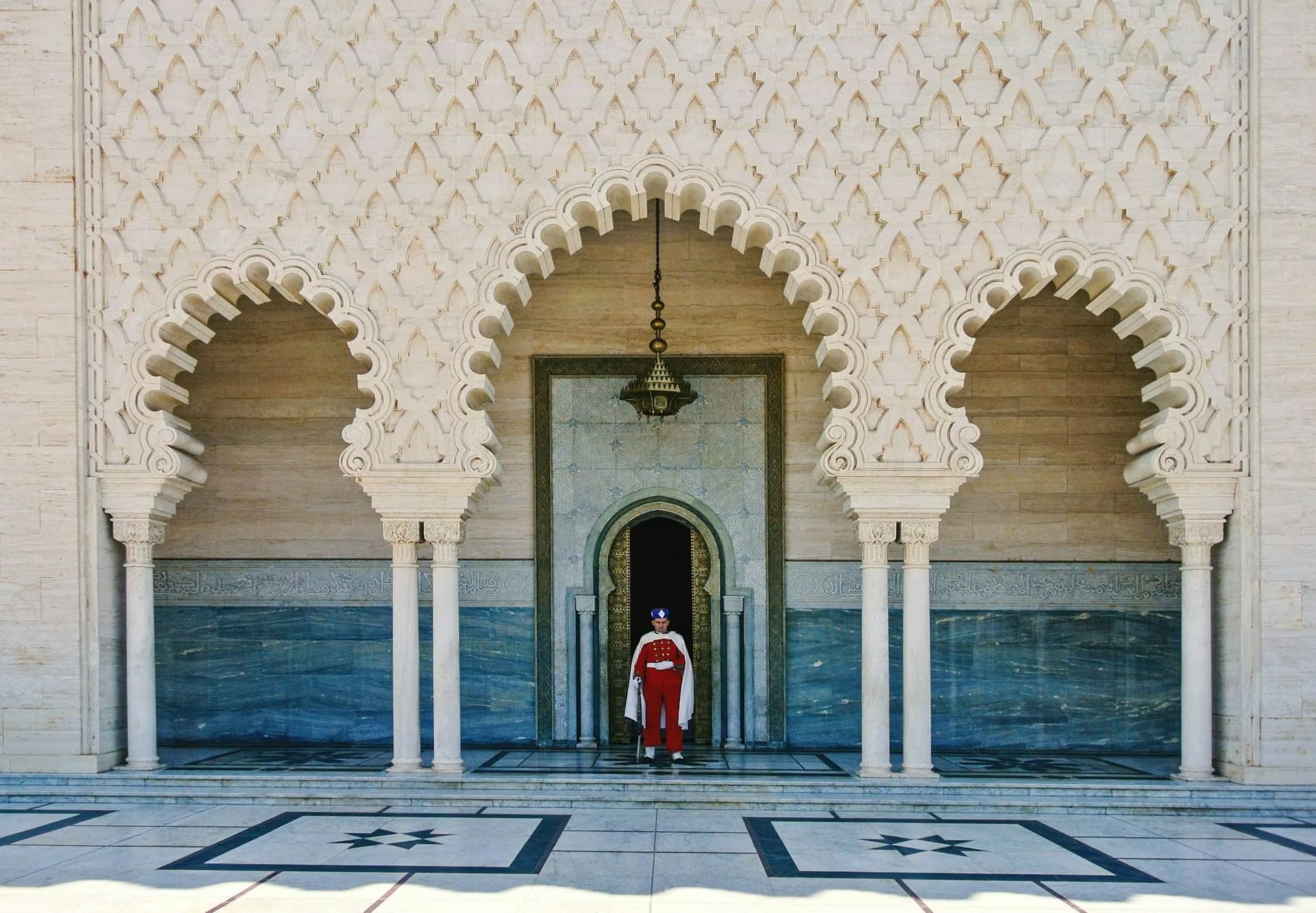
Rabat is often overlooked by travelers focusing on Morocco’s more famous destinations, yet it offers one of the country’s most balanced travel experiences. Rich history, modern infrastructure, walkable neighborhoods, and a relaxed atmosphere make it an excellent destination for couples, families, solo travelers, and cultural enthusiasts.
As Morocco’s capital, Rabat is home to government institutions, royal landmarks, UNESCO World Heritage Site landmarks, and beautifully preserved historic districts. The Royal Palace of Rabat is another important landmark, although visitors may only admire it from the outside. Unlike many larger tourist cities, Rabat feels organized, calm, and easy to navigate while still preserving its authentic Moroccan identity.
Its location along the Atlantic coast also creates pleasant temperatures throughout much of the year, making sightseeing comfortable during every season. Cafés overlooking the ocean, peaceful gardens, and historic monuments provide plenty of opportunities to slow down and experience everyday life in Morocco.
For travelers planning a longer trip, Rabat pairs naturally with destinations such as Casablanca, Chefchaouen, Fes, and Marrakech, making it an excellent stop on a private Morocco itinerary.
Where Is Rabat and How to Get There?
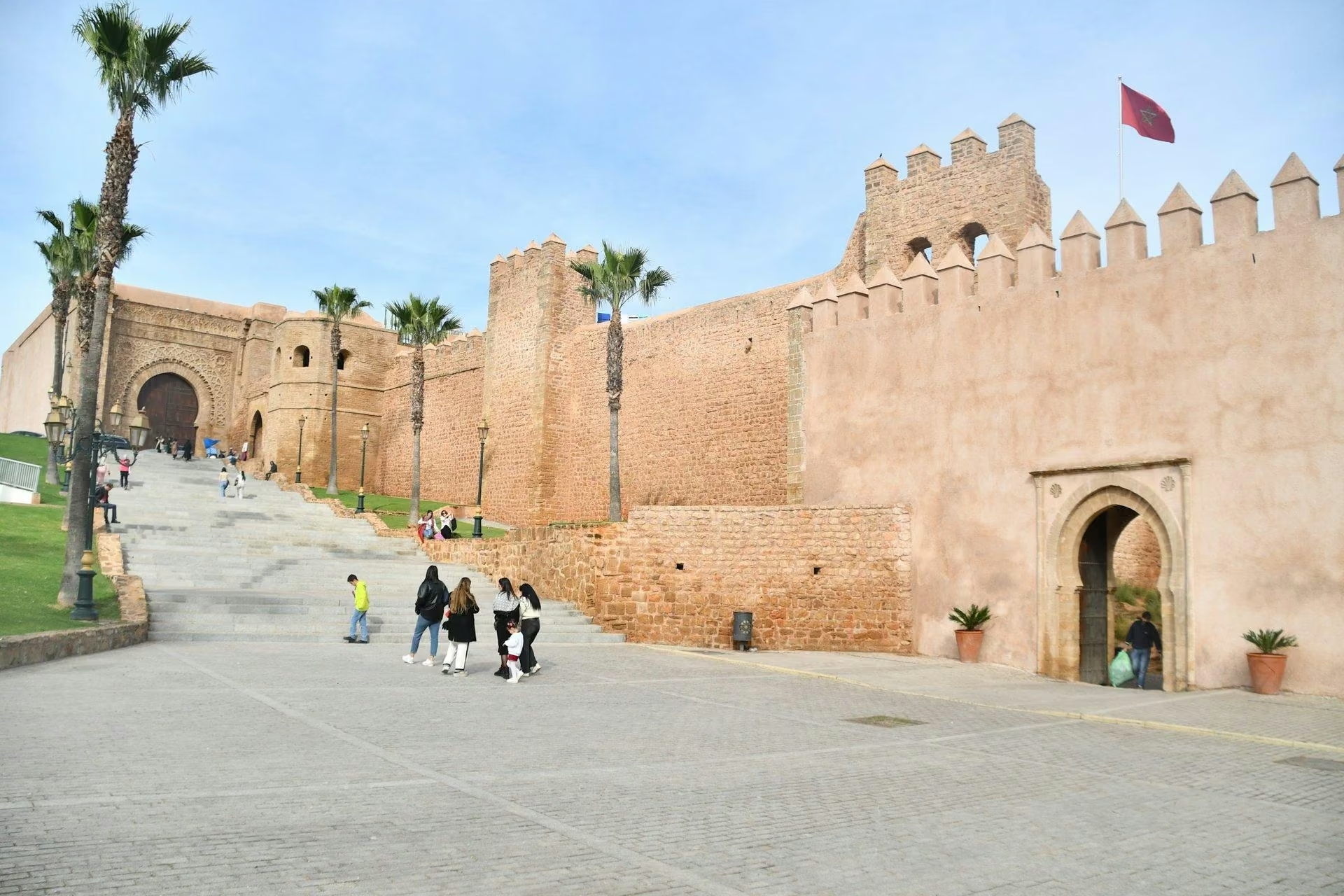
The city of Rabat is located on Morocco’s Atlantic coast, approximately 90 kilometers northeast of Casablanca. The city sits beside the Bou Regreg River, opposite the neighboring city of Salé, creating a scenic waterfront that blends history with modern urban life.
As Morocco’s administrative capital, Rabat is one of the country’s most accessible destinations. Travelers arriving internationally can fly into Rabat-Salé Airport, while many visitors also arrive through Mohammed V International Airport in Casablanca before continuing by train station or private transfer.
Morocco’s ONCF rail network connects Rabat with Casablanca, Marrakech, Tangier, Fes, and Meknes, making train travel one of the easiest ways to reach the city. Travelers who prefer greater flexibility can rent a car or arrange a private transfer, especially when combining Rabat with other destinations throughout Morocco.
Once you arrive in Rabat city, you’ll find that many historic attractions are within walking distance, while Petit Taxis offer affordable transportation between neighborhoods. The modern Rabat-Salé tramway also provides convenient connections across the city.
For visitors planning a longer Morocco adventure, Rabat works particularly well as part of our Morocco Tour Packages, combining destinations such as Casablanca, Chefchaouen, Fes, and Marrakech. At Sun-Trails, we often recommend combining these destinations into a tailor-made private tour that allows travelers to experience Morocco at their own pace.
Best Time to Visit Rabat
Rabat enjoys a mild Atlantic climate, making it a pleasant destination throughout the year. Thanks to the cooling ocean breeze, temperatures remain more comfortable than in many inland Moroccan cities, allowing visitors to enjoy sightseeing during every season.
Choosing the best time to visit depends on the type of experience you’re looking for, whether that’s exploring historical sites, relaxing by the coast, or combining Rabat with a longer journey across Morocco.
Spring (March to May)
Spring is widely considered the best season to visit Rabat. Comfortable temperatures, blooming gardens, and clear skies create ideal conditions for walking through the medina, visiting historical landmarks, and enjoying the city’s waterfront.
This season is particularly popular among travelers planning longer Morocco itineraries because destinations across the country experience pleasant weather. Since demand increases during spring, booking accommodations and private tours four to five months in advance is recommended. If you’re visiting multiple destinations, our Best Time to Visit Morocco guide can help you choose the ideal season for your journey.
Summer (June to August)
Unlike many Moroccan cities, Rabat remains relatively comfortable during summer thanks to its location on the Atlantic coast. While temperatures rise, the sea breeze helps create pleasant conditions for sightseeing and outdoor dining.
July and August are the busiest travel months, so hotels and guided tours often book quickly. Visitors planning a summer vacation should reserve accommodations early to secure the best options.
Autumn (September to November)
Autumn offers another excellent opportunity to visit Rabat. Warm daytime temperatures, fewer crowds, and comfortable evenings make it an ideal season for exploring the city’s historic neighborhoods, museums, and coastal attractions.
Many travelers consider autumn one of the most enjoyable periods for discovering Morocco because weather conditions remain favorable across destinations such as Rabat, Chefchaouen, Fes, and Marrakech.
Winter (December to February)
Winter in Rabat is generally mild compared to much of Europe and North America. Although occasional rainfall is possible, daytime temperatures remain comfortable for sightseeing.
This season is ideal for travelers seeking a quieter experience, lower hotel prices, and fewer visitors at the city’s main attractions.
Best Things to Do in Rabat: Top Attractions You Shouldn’t Miss
Rabat combines centuries of Moroccan history with modern public spaces, making it one of the country’s most rewarding cities to explore on foot. From ancient fortresses and royal monuments to lively markets and peaceful gardens, every neighborhood offers something unique.
Whether you’re interested in architecture, local culture, or photography, these attractions deserve a place on your itinerary.
Visit the Kasbah of the Udayas
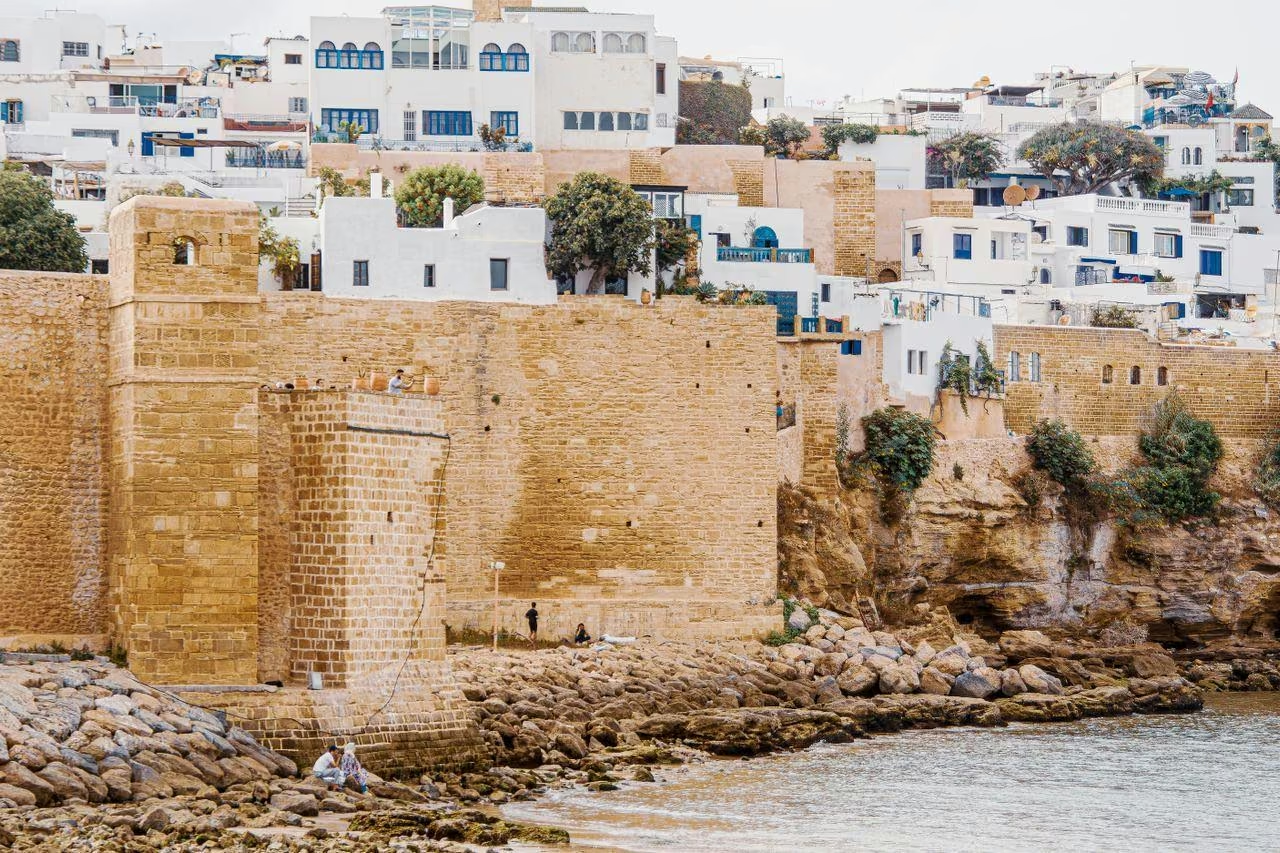
The Kasbah of the Udayas is one of Rabat’s most iconic landmarks. Built during the twelfth century, this fortified neighborhood overlooks the Atlantic Ocean and the Bou Regreg River, offering spectacular panoramic views.
Inside the kasbah, visitors can wander through narrow streets lined with white-and-blue houses, small artisan shops, and quiet cafés. The peaceful atmosphere makes it one of the city’s most enjoyable places for a leisurely walk.
The nearby Andalusian Gardens provide a welcome escape from the city’s busy streets, with shaded pathways, colorful flowers, and traditional fountains creating a relaxing environment.
Explore Hassan Tower
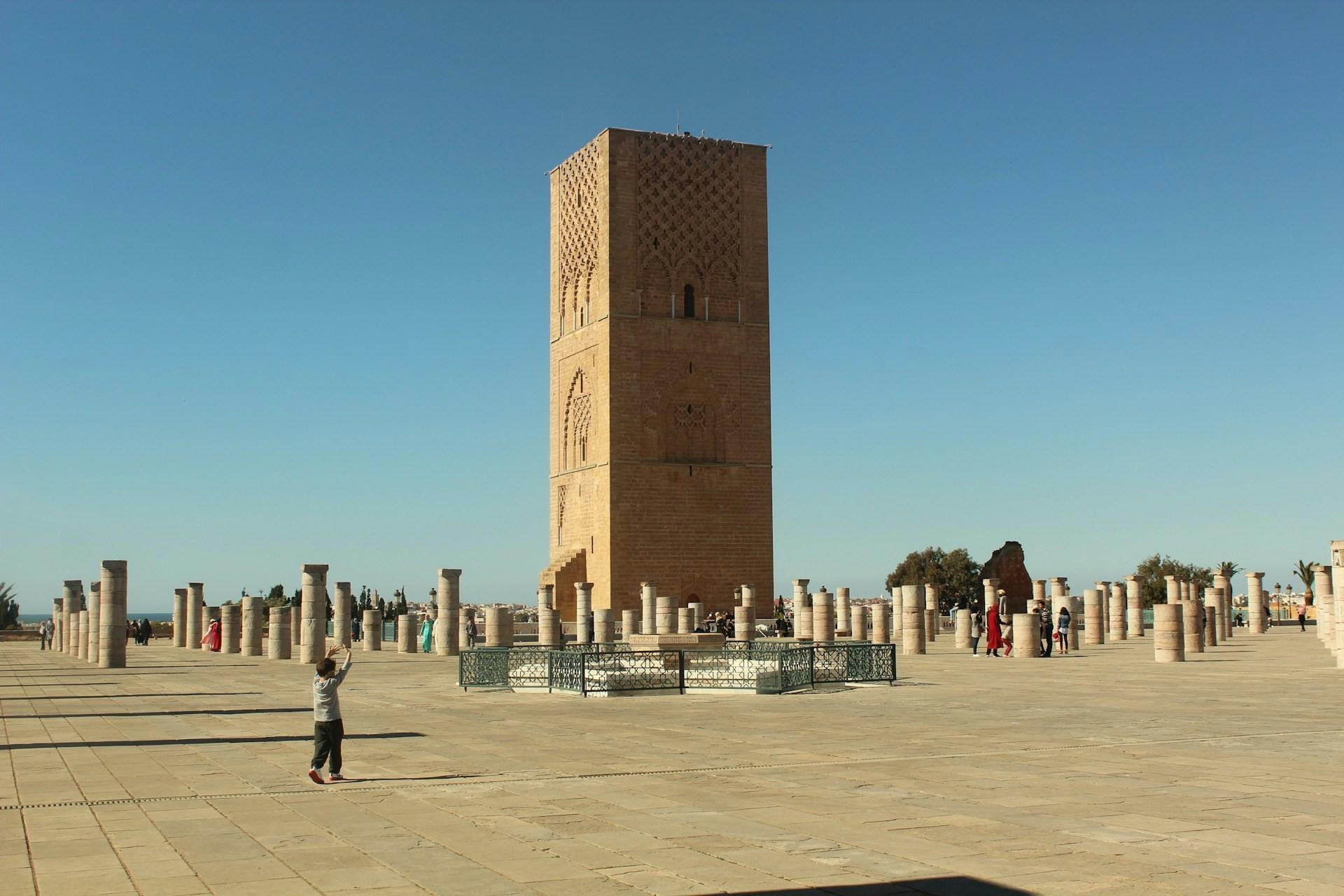
The unfinished Hassan Tower remains one of Morocco’s most recognizable monuments. Construction began during the 12th-century reign of Sultan Yaqub al-Mansur, who intended the structure to become the world’s largest mosque. Although unfinished, the minaret remains one of Morocco’s most recognizable architectural landmarks.
Surrounding the tower are hundreds of stone columns that once formed part of the original mosque. The open plaza creates an impressive setting for photography while offering visitors a glimpse into Morocco’s medieval architecture.
Visit the Mausoleum of Mohammed V
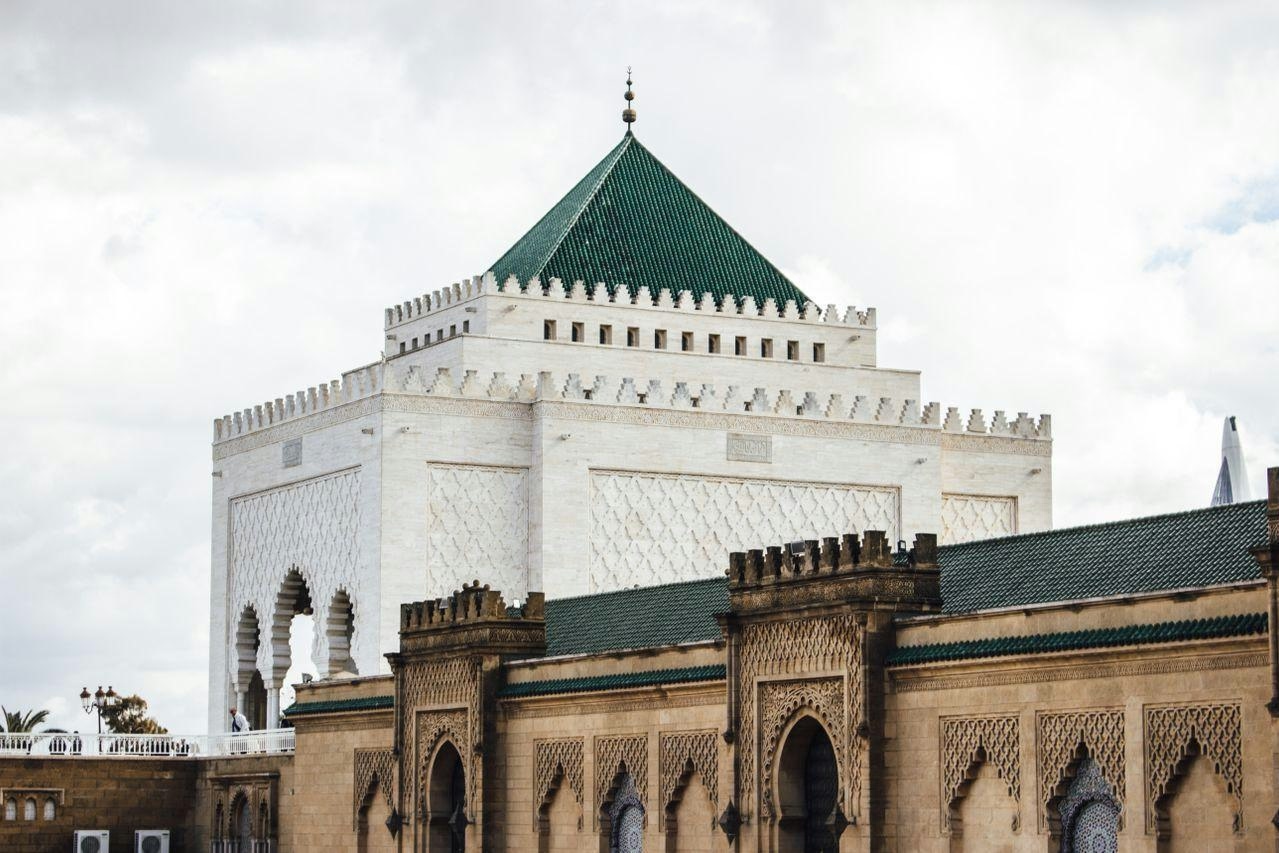
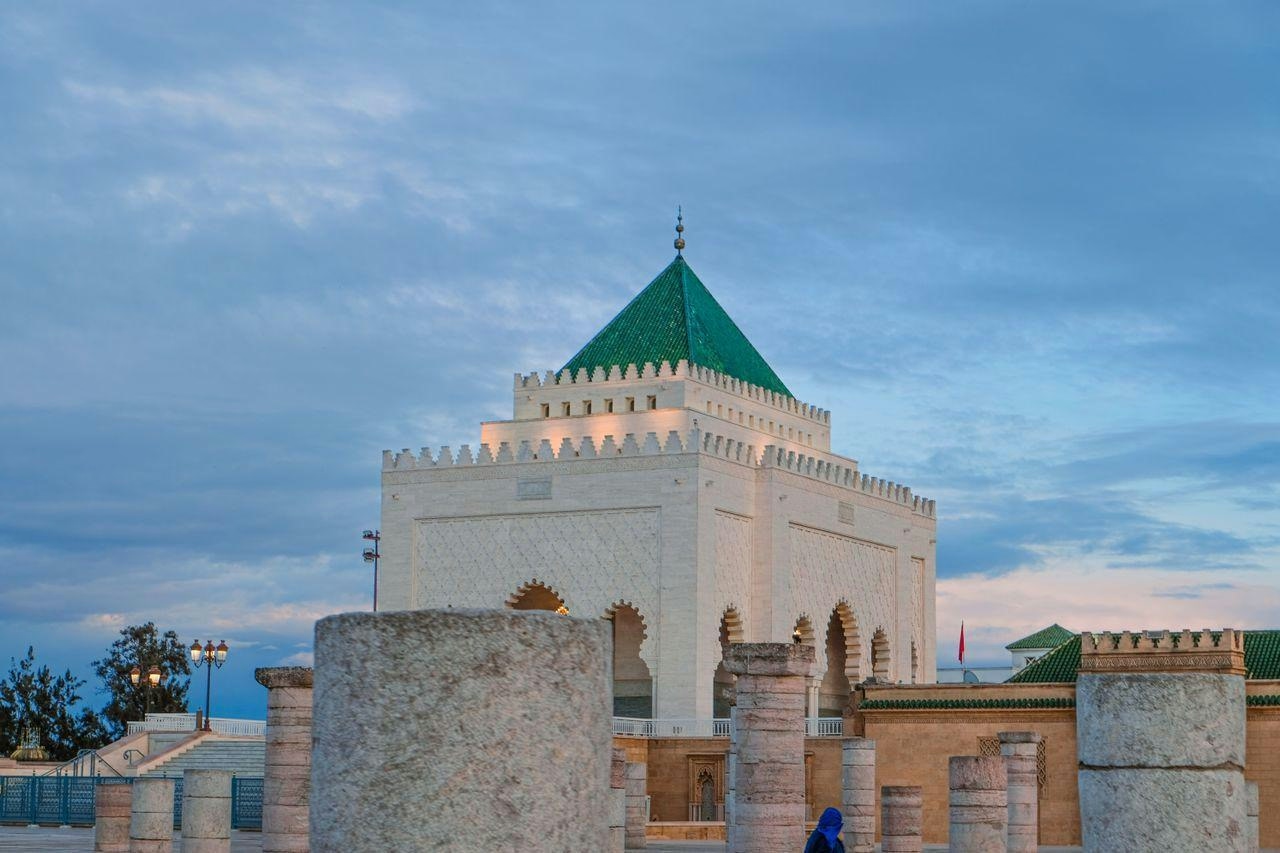
Located opposite Hassan Tower, the Mausoleum of Mohammed V honors King Mohammed V and members of Morocco’s royal family. The building is admired for its elegant white marble, green tiled roof, carved cedar wood, and detailed Moroccan craftsmanship.
Visitors are welcome to admire the interior from designated viewing areas while respecting local customs. The combination of architectural beauty and historical importance makes this one of Rabat’s most significant landmarks.
Discover Chellah
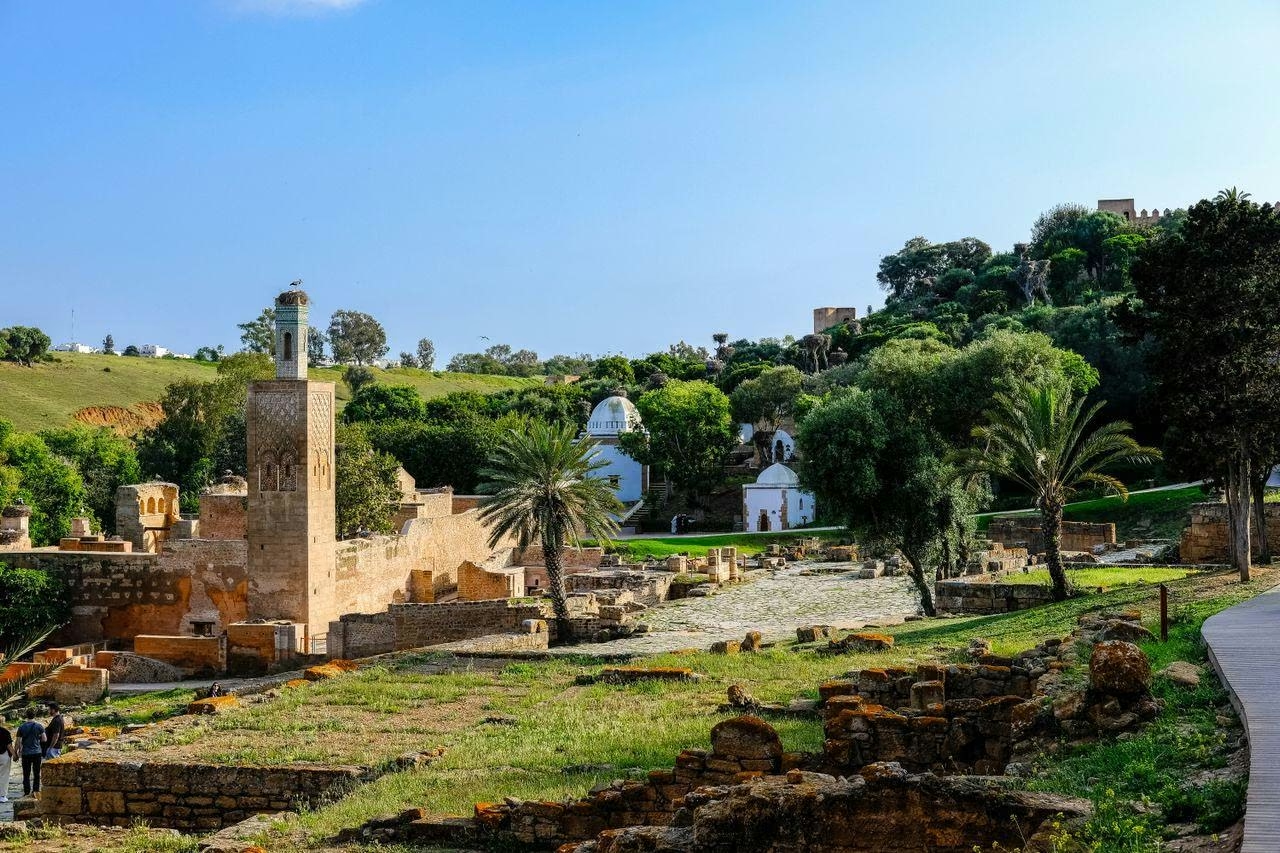
Just outside the city center lies Chellah, an archaeological site that blends Roman ruins with a medieval Islamic necropolis, creating one of Morocco’s most fascinating archaeological sites. Ancient stone walls, historic pathways, gardens, and nesting storks create one of the most unique cultural attractions in Morocco.
Walking through Chellah allows visitors to experience centuries of history in a peaceful setting away from the city’s busier districts. It’s an excellent destination for photography, history enthusiasts, and travelers interested in Morocco’s diverse cultural heritage.
Explore Rabat Medina in the City Centre
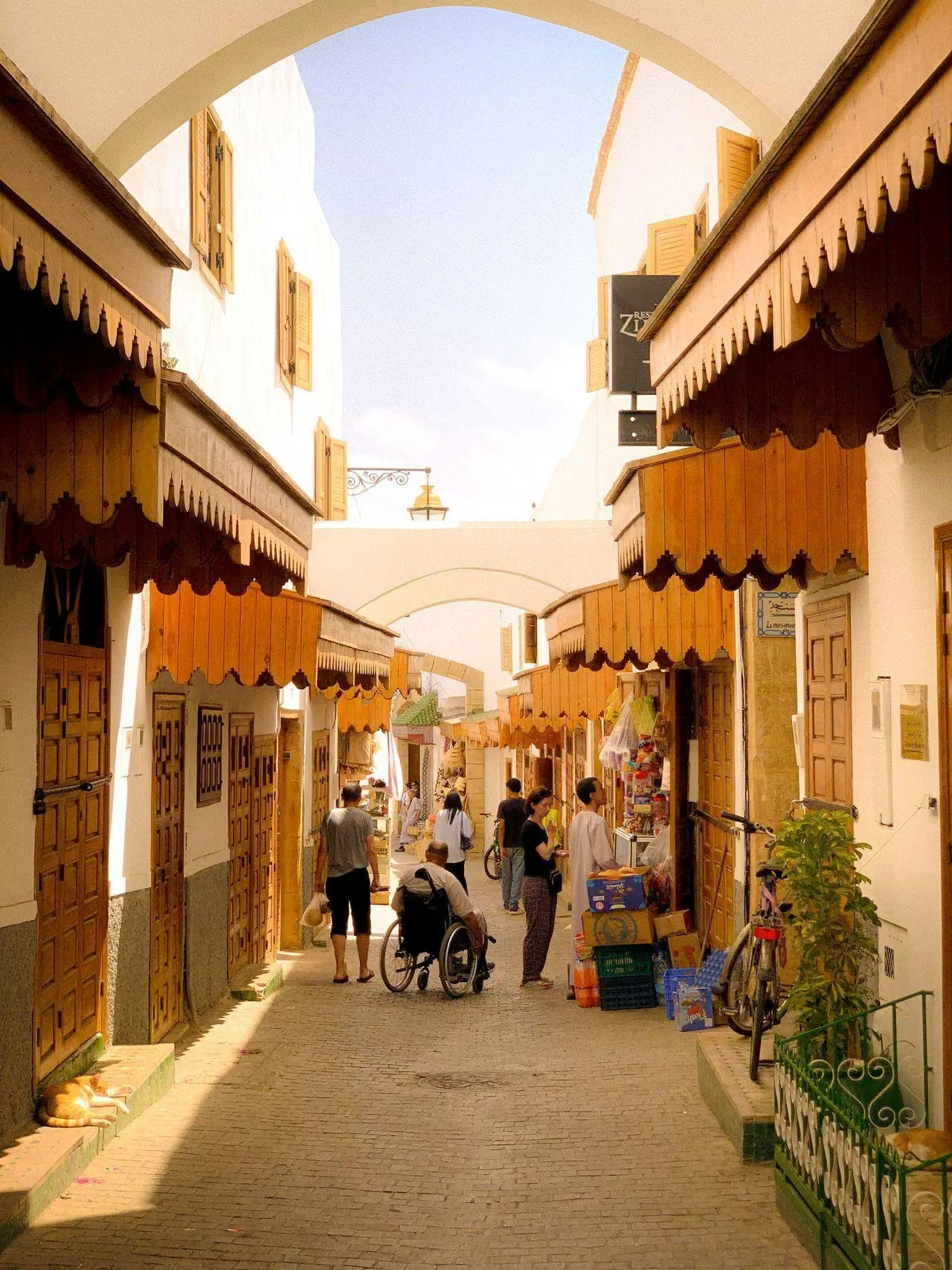
Unlike some of Morocco’s larger medinas, Rabat Medina offers a more relaxed shopping experience. Traditional markets sell handmade leather goods, ceramics, carpets, spices, jewelry, and locally crafted souvenirs without the overwhelming crowds often found elsewhere.
It’s also one of the best places to experience everyday Moroccan life while supporting local artisans and family-owned businesses.
Relax in the Andalusian Gardens
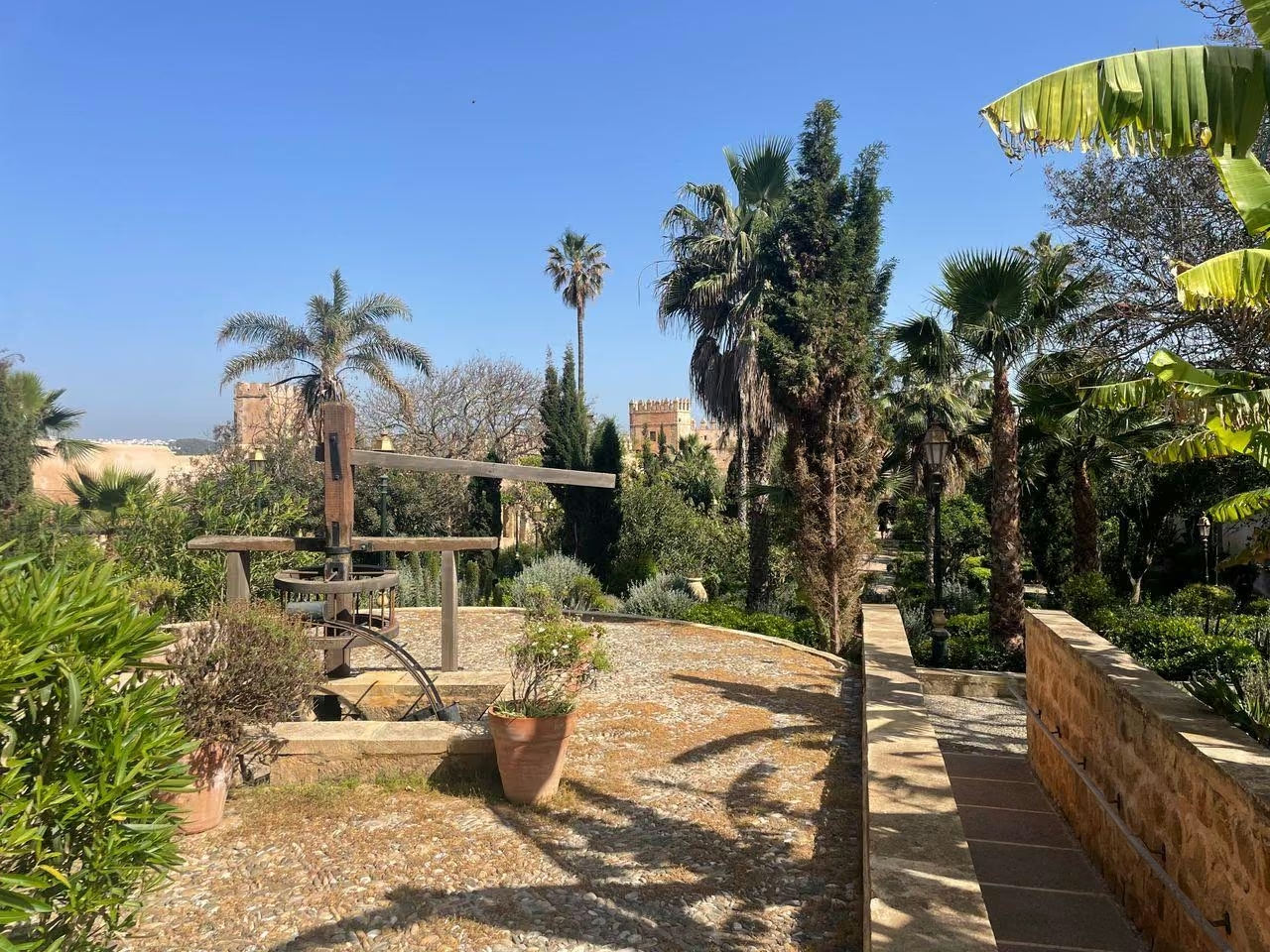
Located beside the Kasbah of the Udayas, the Andalusian Gardens offer a peaceful escape from sightseeing. Palm trees, flowering plants, fountains, and shaded walkways create an ideal setting for a quiet afternoon.
Many visitors stop here after exploring the kasbah, enjoying the contrast between Rabat’s historic architecture and its carefully maintained green spaces.
Walk Along Bou Regreg Marina
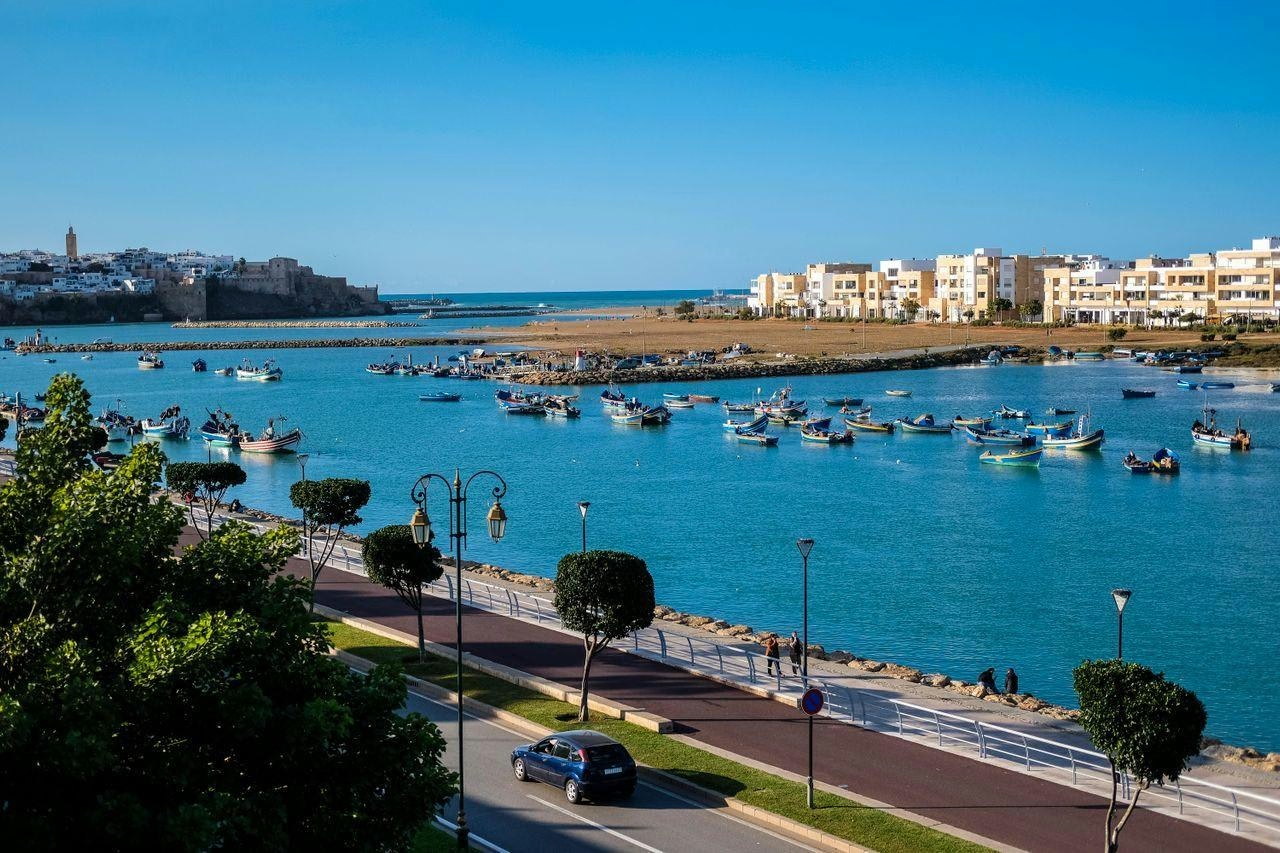
The modern Bou Regreg Marina shows another side of Rabat. Restaurants, cafés, walking paths, and views across the river toward Salé make it a popular destination during the late afternoon and evening.
As the sun begins to set, the marina becomes one of the city’s most enjoyable places to relax while watching boats move along the river and locals gather along the waterfront.
Visit Rabat Beach
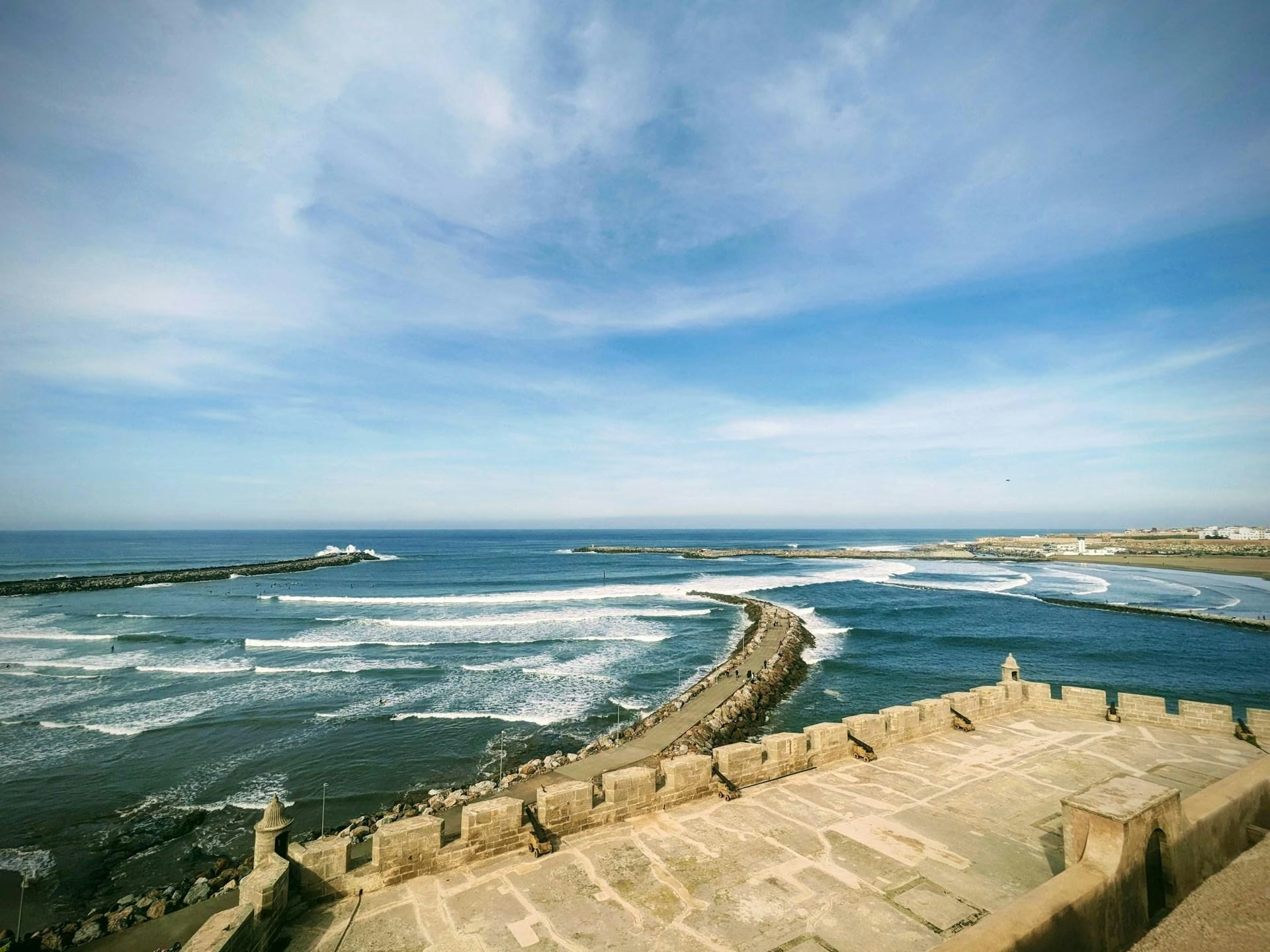
Although Rabat is best known for its history and culture, Rabat Beach provides an opportunity to enjoy the Atlantic coastline. The beach attracts surfers, families, and locals throughout the year, while the nearby promenade offers cafés and scenic ocean views.
It’s a pleasant place to unwind after a day of sightseeing or simply enjoy Morocco’s coastal atmosphere.
Where to Stay in Rabat
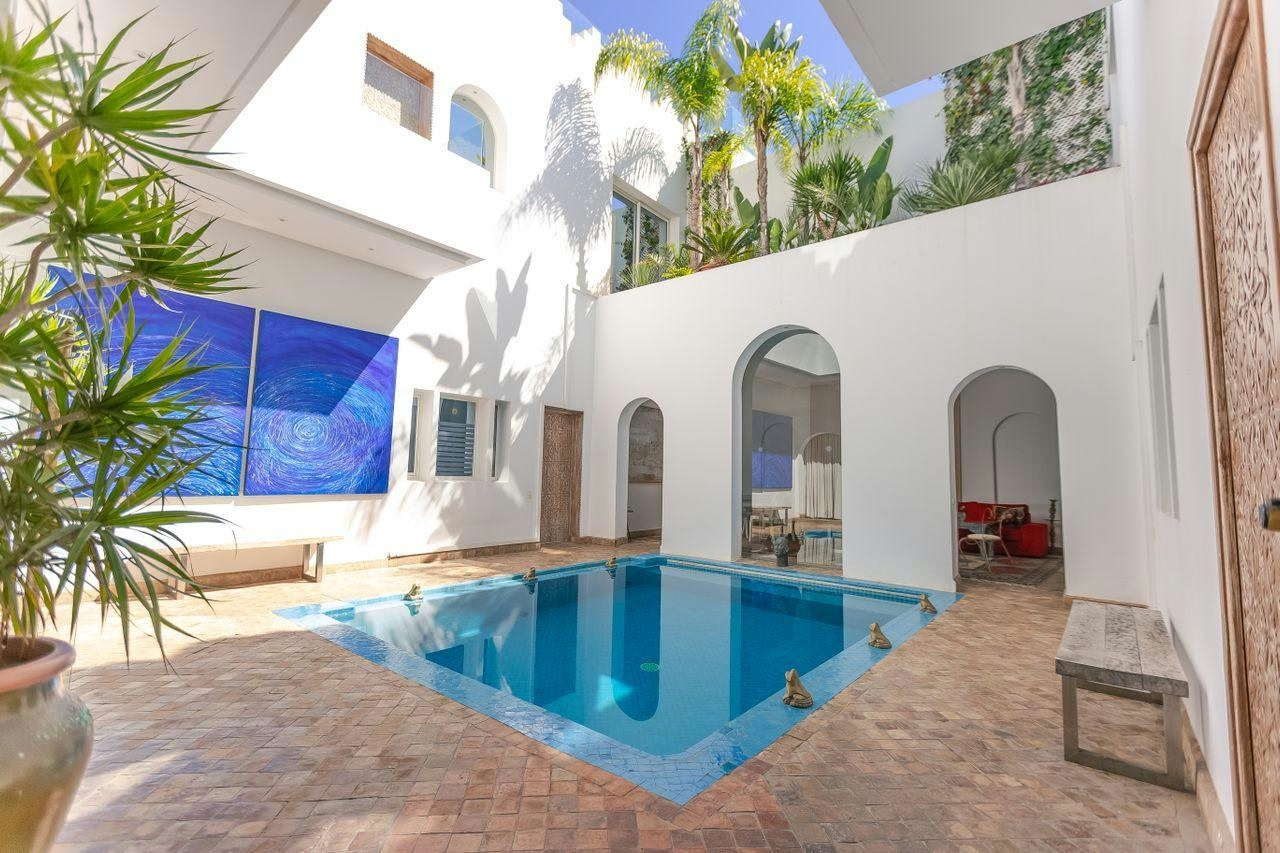
Rabat offers accommodations for every travel style, from elegant boutique riads inside the historic medina to modern hotels overlooking the Atlantic coast. Visitors can choose from boutique riads, luxury resorts, and many excellent hotels in Rabat that suit different budgets and travel styles. Choosing the right neighborhood depends on whether you prefer cultural attractions, shopping, nightlife, or a quieter residential atmosphere.
At Sun-Trails, we carefully recommend accommodations that offer excellent service, comfortable amenities, and authentic Moroccan hospitality. Every property we suggest is personally selected to ensure it meets our standards for quality and location.
Stay in the Medina
The historic medina is an excellent choice for travelers who want to experience traditional Moroccan life. Staying here places you within walking distance of local markets, artisan shops, cafés, and several of Rabat’s most famous landmarks.
Staying in a traditional Moroccan riad is one of the best ways to experience local hospitality. Boutique riads inside the medina provide a more intimate atmosphere than larger hotels while allowing visitors to enjoy authentic Moroccan architecture.
Stay in the Hassan District
The Hassan district is ideal for first-time visitors. This neighborhood is close to Hassan Tower, the Mausoleum of Mohammed V, and several government buildings while offering modern hotels, restaurants, and convenient transportation.
Its central location makes sightseeing easy without requiring long taxi rides between attractions.
Stay in Agdal
Agdal is one of Rabat’s most modern neighborhoods. Wide boulevards, shopping streets, cafés, and local restaurants create a lively atmosphere that appeals to younger travelers and business visitors.
It’s also well connected to the city center through Rabat’s tramway network. If you’re looking for a modern Rabat hotel, Agdal offers convenient access to shopping, restaurants, and public transportation.
Stay Near the Atlantic Coast
Travelers looking for ocean views and a more relaxed setting may prefer accommodations closer to Rabat Beach or the Bou Regreg Marina. These areas offer beautiful waterfront walks, outdoor cafés, and easy access to both the beach and the historic center.
Traditional Moroccan Food to Try in Rabat
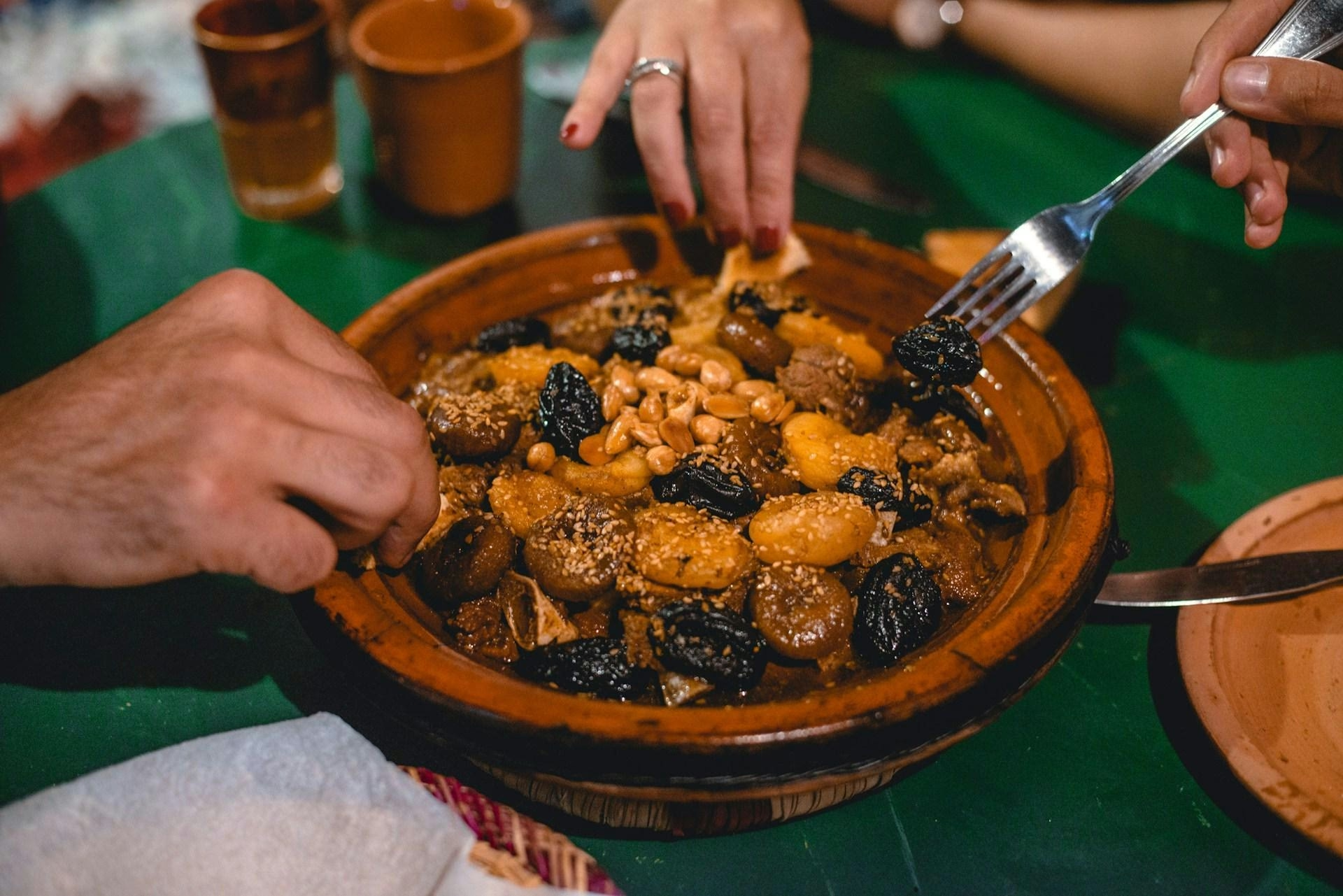
Rabat’s culinary scene combines traditional Moroccan flavors with fresh seafood from the Atlantic coast. Whether you’re dining in a family-owned restaurant inside the medina or enjoying dinner at a waterfront café, the city offers plenty of opportunities to experience authentic local cuisine.
One of Morocco’s signature dishes is tagine, a slow-cooked meal prepared with chicken, lamb, beef, or vegetables, seasoned with aromatic spices and often served with fresh bread.
Another local favorite is couscous, traditionally enjoyed on Fridays. Prepared with steamed semolina and seasonal vegetables, it’s considered one of Morocco’s most iconic dishes.
Visitors should also try pastilla, a unique pastry filled with savory meat, almonds, and delicate spices wrapped inside crisp layers of pastry.
If you’re wondering where to eat in Rabat, the medina, Hassan district, and waterfront restaurants offer excellent choices ranging from authentic Moroccan cuisine to contemporary dining experiences.
No meal is complete without a glass of traditional Moroccan mint tea, a symbol of hospitality found throughout the country.
Getting Around Rabat
Rabat is one of Morocco’s easiest cities to explore thanks to its organized layout and reliable transportation system. Many of the city’s main attractions are located within walking distance, making it enjoyable to discover neighborhoods on foot.
Petit Taxis are affordable and readily available for short journeys between attractions. They’re particularly useful when traveling between the medina, Hassan district, Agdal, and the waterfront.
The Rabat-Salé tramway provides another convenient way to travel around the city while connecting Rabat with neighboring Salé. Clean, modern, and inexpensive, it’s an excellent option for both visitors and residents.
Travelers planning to visit other Moroccan cities can use the ONCF train network, which offers regular services to Casablanca, Marrakech, Tangier, Fes, and Meknes.
If you’re planning on driving in Morocco, renting a car gives you greater flexibility when combining Rabat with destinations such as Chefchaouen, the Atlantic coast, or the Middle Atlas region. However, visitors staying only within Rabat generally won’t need a rental vehicle.
Suggested Rabat Morocco Travel Guide Itinerary
Whether you’re visiting for a single day or planning a longer stay, Rabat offers enough attractions to fill several enjoyable days. Here are a few itinerary ideas to help you organize your visit.
One-Day Rabat Morocco Travel Guide Itinerary
Begin your morning at Hassan Tower and the Mausoleum of Mohammed V, two of the city’s most important historical landmarks.
Continue to the Kasbah of the Udayas, where narrow streets, white-and-blue houses, and ocean viewpoints create one of Rabat’s most memorable experiences.
After lunch, spend time exploring Rabat Medina, browsing local artisan shops and traditional markets before relaxing in the Andalusian Gardens.
Finish your day with dinner overlooking the Bou Regreg Marina, where the sunset creates a beautiful atmosphere along the waterfront.
Two-Day Rabat Morocco Travel Guide Itinerary
Spend your first day visiting Rabat’s most famous landmarks, including Hassan Tower, the Kasbah of the Udayas, Rabat Medina, and the marina.
On your second day, explore Chellah, visit the Mohammed VI Museum of Modern and Contemporary Art, and enjoy a leisurely walk along Rabat Beach before sampling traditional Moroccan cuisine at one of the city’s local restaurants.
This itinerary allows visitors to experience both Rabat’s rich history and its modern cultural attractions without rushing.
Three-Day Rabat Morocco Travel Guide Itinerary
With three days available, you’ll have time to discover Rabat at a slower pace while exploring nearby destinations.
Dedicate your first two days to Rabat’s historic monuments, museums, gardens, and waterfront.
On your third day, consider taking a day trip to neighboring Salé or Casablanca, or continue toward Chefchaouen as part of a longer Morocco itinerary.
Many travelers also combine Rabat with Fes, Marrakech, or the Sahara Desert through a tailor-made private tour designed around their interests and schedule.
Travel Tips for Visiting Rabat
A little preparation goes a long way when visiting Morocco’s capital. Rabat is considered one of the country’s safest and most organized cities, making it an excellent destination for first-time visitors as well as travelers exploring Morocco more extensively.
Currency
Morocco uses the Moroccan Dirham (MAD). Credit cards are accepted at many hotels, restaurants, and shopping centers, but carrying some cash is useful when visiting local markets or smaller cafés.
Language
Arabic and Amazigh are Morocco’s official languages, while French is widely spoken throughout Rabat. English is increasingly common in hotels, tourist attractions, and restaurants.
Learning a few local expressions, such as Salam (hello) and Shukran (thank you), is always appreciated by local residents.
Safety
Rabat is widely regarded as one of Morocco’s safest cities for tourists. As with any destination, remain aware of your surroundings, keep personal belongings secure in crowded areas, and use licensed taxis or trusted transportation services whenever possible.
Solo travelers, couples, and families generally find Rabat to be a comfortable city to explore both during the day and in the evening.
Dress Code
Rabat is modern and welcoming, but modest clothing is recommended when visiting religious sites or traditional neighborhoods. Comfortable walking shoes are also essential since many attractions are best explored on foot.
Travel Insurance
Purchasing travel insurance before your trip provides additional peace of mind by covering unexpected medical emergencies, cancellations, or travel delays. It’s particularly worthwhile if your Morocco itinerary includes multiple cities or outdoor activities.
Booking Advice
If you’re planning to visit during spring, summer, or major holidays, it’s best to reserve accommodations and private tours four to five months in advance. Booking early gives you access to a wider selection of hotels and greater flexibility when planning your itinerary.
Extend Your Journey Beyond Rabat
Rabat is an excellent starting point for discovering more of Morocco. Some of the most popular trips from Rabat include Casablanca, Chefchaouen, Fes, or Marrakech, while others choose to explore the Atlas Mountains or the Sahara Desert as part of a longer private itinerary.
At Sun-Trails, our Private & Tailor-Made Tours connect Rabat with Morocco’s imperial cities, coastal destinations, mountain villages, and the Sahara Desert. Every itinerary is customized according to your travel style, schedule, and interests, allowing you to explore Morocco at your own pace.
Whether you’re interested in history, culture, local cuisine, or scenic road trips, our team helps create authentic experiences supported by carefully selected accommodations and experienced local guides.
Frequently Asked Questions
Is Rabat worth visiting?
Yes. Rabat is one of Morocco’s most rewarding destinations for travelers interested in history, architecture, coastal scenery, and authentic local culture. Its relaxed atmosphere and well-preserved landmarks make it an excellent addition to any Morocco itinerary.
How many days should I spend in Rabat?
Two to three days is ideal for exploring Rabat’s main attractions at a comfortable pace. This allows enough time to visit historical sites, museums, local markets, and nearby coastal areas.
Why should you use a Rabat Morocco Travel Guide before visiting?
A Rabat Morocco Travel Guide helps you plan your itinerary, discover the city’s most important landmarks, choose the best neighborhoods to stay in, and organize transportation before your arrival. It also helps you make the most of your time by highlighting attractions that match your travel interests.
Is Rabat better than Casablanca?
Both cities offer different experiences. Rabat is generally quieter, more walkable, and known for its historical landmarks, while Casablanca is Morocco’s largest city and commercial center with a more modern atmosphere.
Can you walk around Rabat?
Yes. Many of Rabat’s main attractions, including Hassan Tower, the Kasbah of the Udayas, Rabat Medina, and the Andalusian Gardens, are within walking distance of one another.
What food should I try in Rabat?
Visitors should try traditional Moroccan dishes such as tagine, couscous, pastilla, fresh Atlantic seafood, and Moroccan mint tea. Local bakeries also offer a variety of pastries and desserts worth sampling during your visit.
Plan Your Trip Beyond Rabat with Sun Trails
This Rabat Morocco Travel Guide offers an unforgettable introduction to Morocco’s history, culture, and Atlantic coastline, but it’s only one chapter of a much larger journey. From the imperial cities and mountain villages to the golden dunes of the Sahara Desert, every region reveals a different side of the country.
If you’re planning to explore beyond Rabat, Sun Trails creates personalized private itineraries designed around your interests, travel dates, and preferred pace. Our local team has been welcoming travelers since 2009, carefully selecting accommodations and crafting authentic experiences that go beyond the typical tourist route.
Whether you’d like to combine Rabat with Casablanca, Chefchaouen, Fes, Marrakech, or the Sahara Desert, we’re here to help you plan the perfect Morocco trip based on your interests and travel style.
Tell us your travel dates, group size, and the luxury experience you imagine. A Sun-Trails specialist will respond within 24 hours with a personalized itinerary designed exclusively for you.