Is the Sahara Desert in Morocco Safe? Your Complete Safety Guide
Yes, the Sahara desert in Morocco is safe for tourists. Thousands of travelers visit Morocco’s desert regions every year without incident, enjoying camel treks, desert camping, and sunrise over the dunes in complete security. Morocco has invested heavily in tourism safety, the desert regions see regular police patrols, and the established tourism infrastructure means you’re never truly alone in the wilderness. With basic precautions and reputable guides, the Sahara offers adventure without genuine danger.
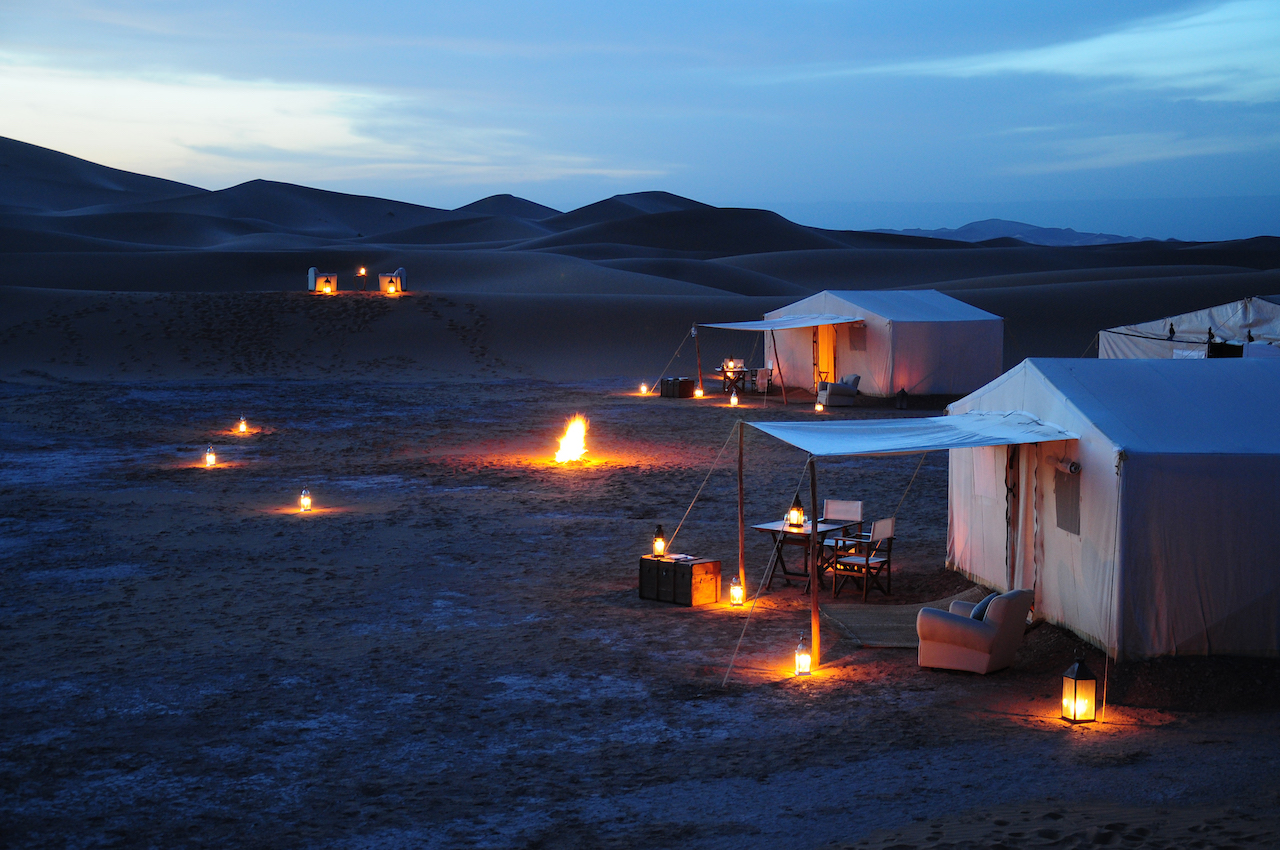
Update 2026: Morocco remains one of Africa’s safest tourist destinations, with desert regions particularly secure due to their importance to the national tourism economy. Here’s everything you need to know about staying safe in Morocco’s Sahara.
START PLANNING YOUR JOURNEY TODAY
Why Morocco’s Sahara Is Safe
Let’s address the big concerns directly:
Security and Terrorism
Morocco has an exceptional security record compared to other North African nations. The country created the BCIJ (Bureau Central d’Investigations Judiciaires) – sometimes called Morocco’s FBI – specifically to prevent terrorism. This agency is so effective that French and European intelligence services regularly consult it on security matters.
The Sahara desert regions of Morocco are particularly well-monitored. Tourism is a pillar of the national economy, and the government takes protection of visitors seriously. Police checkpoints exist along desert routes, and tourist areas receive focused attention.
Unlike some neighboring Saharan countries where security concerns are legitimate, Morocco’s desert has seen no significant security incidents affecting tourists in recent memory. The stability that makes Morocco a popular destination extends fully into its desert regions.
Crime and Personal Safety
Morocco’s Sahara is remarkably safe from crime. The remote nature of desert regions means petty theft (the main concern in cities like Marrakech) is virtually non-existent. Desert camps employ trusted local staff, often from families who’ve worked in tourism for generations.
In terms of personal safety, Marrakech and Fez rank better than Barcelona or Paris for petty crime. The desert regions are safer still – there’s simply no criminal infrastructure in areas where the nearest town is hours away.
Political Stability
Morocco is a constitutional monarchy with stable governance and strong institutions. Unlike some countries sharing the Sahara, Morocco has avoided the political upheaval affecting parts of North Africa and the Sahel. This stability translates directly into tourist safety.
START PLANNING YOUR JOURNEY TODAY
Desert-Specific Safety Considerations
The Sahara is a genuine wilderness. While it’s safe from crime and security threats, the environment itself demands respect.
Heat and Sun Exposure
The desert’s primary physical hazard is its climate. Daytime temperatures can exceed 45°C in summer, creating genuine danger for unprepared travelers.
How to stay safe:
- Visit during cooler months (October-April) when possible
- Carry and drink plenty of water – more than you think you need
- Wear sun protection: hat, sunglasses, high-SPF sunscreen, long sleeves
- Rest during midday heat; activities should be morning and evening
- Listen to your body; heat exhaustion is serious
Reputable tour operators schedule activities around heat, provide adequate water, and monitor guests for heat-related issues.
Dehydration
Dehydration happens faster in the desert than anywhere else. The dry air, heat, and physical activity combine to drain fluids rapidly, often before you feel thirsty.
How to stay safe:
- Drink water constantly, not just when thirsty
- Watch for warning signs: headache, dizziness, dark urine, fatigue
- Avoid alcohol during daytime desert activities
- Eat salty foods to maintain electrolyte balance
Quality camps provide abundant water and drinks. Basic camps may offer less – bring extra water if you’re on a budget tour.
START PLANNING YOUR JOURNEY TODAY
Getting Lost
The Sahara’s scale and visual uniformity make navigation challenging. Dunes can look identical; landmarks are scarce. Getting lost alone in the desert is dangerous.
How to stay safe:
- Never wander far from camp without a guide
- Stay with your group during camel treks and activities
- If separated, stay put – rescuers will find you faster if you’re not moving
- Carry a flashlight for nighttime camp navigation
This concern is largely theoretical for tourists. Organized tours keep groups together, and camps are designed for easy navigation. The people who get lost in deserts are those traveling independently without preparation – not tourists on established routes.
Sandstorms
Sandstorms occur occasionally in the Sahara, typically during spring and early summer. They can reduce visibility dramatically and make travel uncomfortable or impossible.
How to stay safe:
- Follow guide instructions immediately if a storm approaches
- Seek shelter in tents, vehicles, or behind dunes
- Cover your nose and mouth with a scarf or shemagh
- Protect electronics in sealed bags
Experienced guides read weather signs and adjust plans accordingly. Serious storms are infrequent, and camps are designed to shelter guests effectively.
Temperature Swings
Desert temperatures can drop 20-30°C between day and night. Travelers prepared for heat are sometimes surprised by cold evenings, especially October through March.
How to stay safe:
- Bring warm layers for evenings, even if days are hot
- Ensure your camp provides adequate blankets
- Quality camps offer heated tents in winter
This isn’t dangerous with preparation – just uncomfortable if you’ve packed only for heat.
START PLANNING YOUR JOURNEY TODAY
Wildlife Safety in the Sahara
Unlike African safari destinations, Morocco’s Sahara poses minimal wildlife danger.
Snakes and Scorpions
Venomous snakes and scorpions exist in the desert but encounters are rare. These creatures avoid human activity and are primarily nocturnal.
How to stay safe:
- Shake out shoes before wearing them in the morning
- Don’t walk barefoot outside your tent at night
- Use a flashlight when moving around camp after dark
- Don’t reach into crevices or under rocks
In over 15 years of operating desert tours, serious encounters with venomous creatures are essentially unknown among our guests. The precautions are simple and effective.
Other Wildlife
Fennec foxes, desert hedgehogs, and various rodents inhabit the Sahara but pose no danger. You might see them from a distance – they’re shy and non-threatening.
Camels can bite or kick if mishandled, but the animals used for tourism are well-trained and managed by experienced handlers. Follow guide instructions and you’ll be fine.
Health Considerations
Pre-Existing Conditions
The desert’s heat and remoteness require consideration if you have health conditions:
Heart or respiratory conditions: Consult your doctor before desert travel. Heat stress affects cardiovascular systems; altitude on the journey (Atlas passes reach 2,200m) may affect breathing.
Diabetes: Bring adequate supplies and inform your guide. Heat affects blood sugar and insulin storage.
Mobility issues: Discuss specific needs when booking. Camel riding and dune walking require basic mobility, but alternatives exist for those with limitations.
Medications
Bring more than you need of any essential medications. Pharmacies don’t exist in the desert, and even in nearby towns, specific medications may be unavailable.
Store medications appropriately – heat can degrade many pharmaceuticals. Insulated bags or coolers may be necessary.
Medical Emergencies
Remote desert locations are, by definition, far from hospitals. However:
- Guides carry first aid supplies and communication devices
- Evacuation routes exist for serious emergencies
- Major camps have satellite phones or reliable communication
- The journey to medical facilities, while long, is navigable
Travel insurance with emergency evacuation coverage is essential for any remote travel, including Sahara adventures. Ensure your policy covers the specific activities you’ll undertake.
Food and Water Safety
Stomach issues are Morocco’s most common tourist health complaint, but they’re less prevalent in desert camps than in cities:
- Camp water is typically bottled or properly treated
- Food is freshly prepared with ingredients transported that day
- Simpler desert meals mean fewer contamination opportunities
Standard precautions apply: drink bottled water, avoid raw vegetables if you’re sensitive, eat freshly cooked food.
START PLANNING YOUR JOURNEY TODAY
Transportation Safety
Desert Driving
The roads between cities and the Sahara are paved and well-maintained. The journey through the Atlas Mountains involves winding roads but isn’t dangerous with competent drivers.
4×4 transport within the desert itself requires experienced drivers who know the terrain. Soft sand, unmarked routes, and changing conditions demand expertise.
How to stay safe:
- Book with reputable operators who employ experienced drivers
- Ensure vehicles are well-maintained (ask if uncertain)
- Wear seatbelts when available
- Don’t pressure drivers to speed
Our drivers have years of desert experience and maintain their vehicles meticulously. Safe arrival is always the priority.
Camel Riding
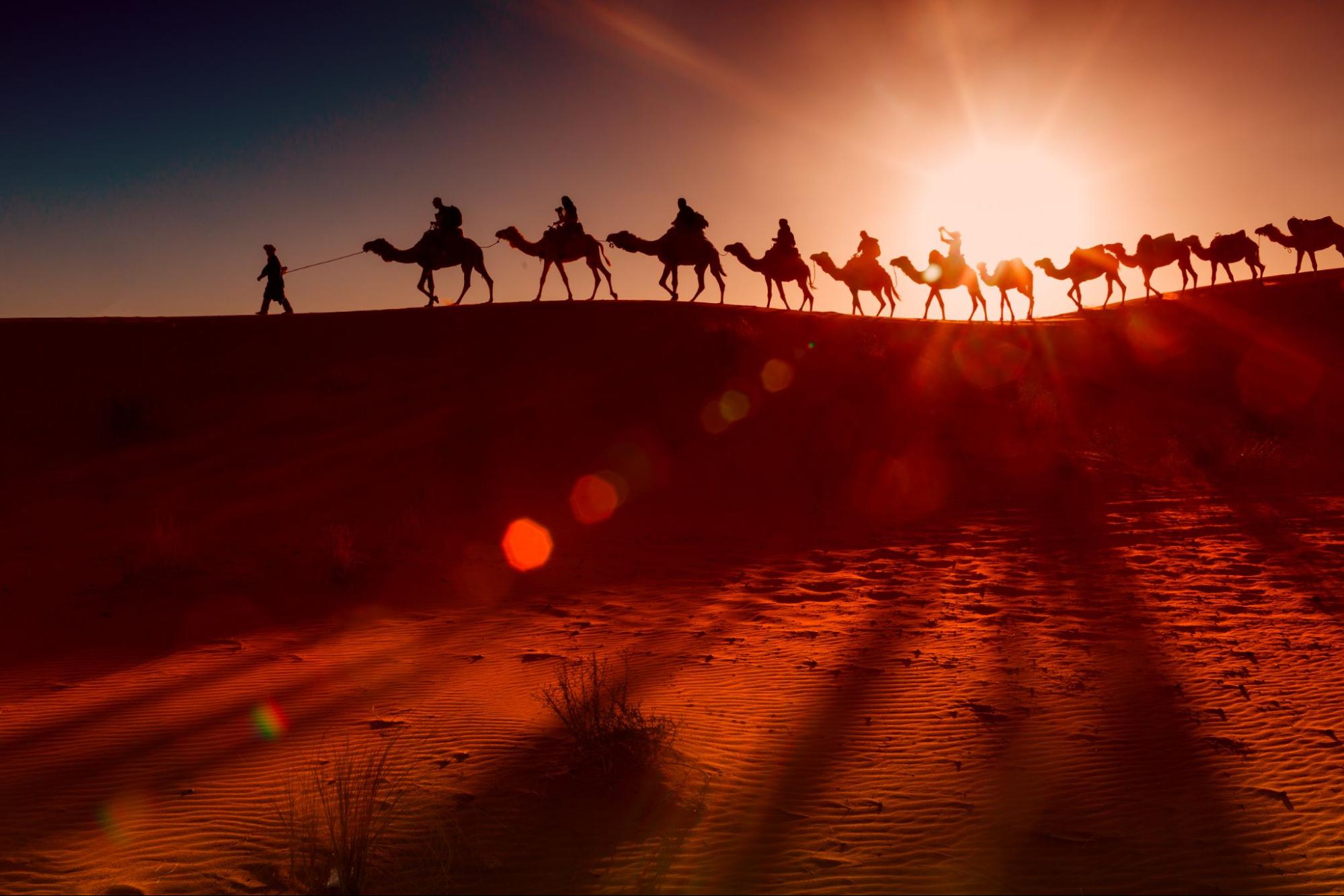
Camels are the traditional desert transport. Riding them is safe with proper guidance:
- Listen to instructions about mounting and dismounting
- Hold on during the camel’s distinctive rising motion
- Don’t make sudden movements that might startle the animal
- Tell your guide immediately if you feel unwell or unsafe
Falls from camels are rare but possible. Most result in nothing worse than bruised dignity; serious injuries are uncommon. Guides lead the camels and control the pace.
For those uncomfortable with camels, alternatives exist – 4×4 transfers to camps, shorter rides, or walking portions.
START PLANNING YOUR JOURNEY TODAY
Safety for Specific Travelers
Women Travelers
Morocco’s Sahara is safe for women, including solo female travelers. The desert regions are more conservative but also more respectful than some city environments.
Practical considerations:
- Dress modestly (shoulders and knees covered) as a sign of respect
- Desert camps are professional environments with established protocols
- Guides and staff maintain appropriate boundaries
- The remoteness actually reduces the harassment sometimes experienced in cities
Solo female travelers may prefer private tours rather than joining unknown groups, simply for comfort and control. Private Morocco tours can be designed specifically for solo travelers.
Solo Travelers
Traveling alone to the Sahara is safe but logistically more complex than group travel. Consider:
- Joining a small group tour for cost efficiency and company
- Booking a private tour for complete control of your experience
- Ensuring your operator has communication capabilities
- Informing someone of your itinerary
The desert’s remoteness makes solo independent travel inadvisable. Even experienced adventurers use guides and support vehicles.
Families with Children
Morocco’s Sahara is family-friendly. Children typically love the camels, the sand, the stars, and the novelty of desert camping.
Safety considerations for families:
- Choose camps with appropriate facilities for children’s ages
- Bring extra water and sun protection for kids
- Keep children close in camp (they can wander in the dark)
- Consider shorter camel rides for younger children
- Ensure adequate warm clothing for cold desert nights
Many Morocco family tours include desert camping designed for children’s enjoyment and safety.
START PLANNING YOUR JOURNEY TODAY
Older Travelers
Age is no barrier to Sahara experiences. Considerations include:
- Choose comfortable accommodations (upgraded or luxury camps)
- Consider 4×4 transfers instead of extended camel rides
- Ensure adequate hydration and sun protection
- Discuss any health concerns with your operator
- Travel insurance is essential
We regularly host guests in their 70s and 80s who enjoy the desert fully. Proper planning makes the experience accessible to all ages.
What to Do If Something Goes Wrong
Minor Issues
Mild dehydration, sunburn, stomach upset, minor injuries: Guides carry first aid supplies and know basic treatment. Rest, hydration, and time resolve most minor issues.
Medical Emergencies
Serious illness or injury:
- Alert your guide immediately
- Guides will assess and provide first aid
- Communication with emergency services will be established
- Evacuation to nearest medical facility will be arranged
- Your travel insurance company should be contacted
The process may take hours given distances involved – another reason travel insurance with evacuation coverage is essential.
Lost or Separated
If you become separated from your group:
- Stay where you are – don’t wander
- Make yourself visible (climb a dune if possible)
- Use any whistle, mirror, or signaling device
- Conserve water and stay shaded
- Wait for rescue – it will come
This scenario is extremely rare in organized tourism. Guides count heads constantly; camps are designed for easy navigation.
START PLANNING YOUR JOURNEY TODAY
Why Traveling with a Local Operator Matters
Booking Sahara experiences through established local operators significantly enhances safety:
Local knowledge: Operators know weather patterns, route conditions, reliable camps, and emergency procedures
Established relationships: Regular partnerships with camps mean consistent quality and accountability
Communication: Operators maintain contact throughout your journey and can respond to issues
Experience: Years of guiding tourists means anticipating and preventing problems
Accountability: Licensed operators must maintain safety standards to protect their reputation and license
We’ve been organizing luxury Morocco tours from Marrakech since 2009. Our guides know the desert intimately, our vehicles are maintained rigorously, and our partner camps meet strict quality standards. Every private Morocco tour we create prioritizes your safety alongside your experience.
START PLANNING YOUR JOURNEY TODAY
What Our Guests Say About Safety
“I was nervous about desert safety before our trip. By the second day, I felt completely at ease. Our guide was professional, the camp was well-organized, and the biggest ‘danger’ was wanting to stay longer. Morocco’s Sahara is absolutely safe – and absolutely magical.” – Amanda, USA
“As a solo female traveler, I researched extensively before booking. The reality exceeded expectations. The desert felt safer than Marrakech, the guides were respectful, and the experience was everything I’d hoped for. Don’t let safety fears stop you.” – Maria, Spain
“We brought our three kids (ages 6, 9, 12) for a desert camping experience. Everyone loved it, nobody got hurt, and the only complaint was having to leave. The guides watched the children carefully, the camp was secure, and the memories will last forever.” – James, UK
Summary: Is the Sahara Desert in Morocco Safe?
Yes. Morocco’s Sahara is safe for tourists of all types – solo travelers, women, families, and older visitors. The country’s security infrastructure is robust, the desert regions are well-monitored, and established tourism operations provide layers of protection and support.
The desert itself demands respect: heat, sun, and remoteness require preparation and precautions. But with reputable operators, these environmental factors are managed effectively.
Thousands of travelers experience Morocco’s Sahara every year. They return with stories of beauty, silence, stars, and adventure – not danger. You can too.
Start Planning Your Safe Sahara Adventure
Ready to experience the magic of Morocco’s desert? Contact our team to start planning. Tell us your concerns, your questions, your interests. We’ll design a journey that prioritizes both safety and wonder – because in the Sahara, you shouldn’t have to choose.
Every private Morocco tour we create is fully customizable to your needs. We match you with the right camps, the right guides, and the right itinerary for traveling with confidence.
START PLANNING YOUR JOURNEY TODAY
The desert has been welcoming travelers for millennia. It’s ready for you.